 86-312-8695888
 86-13722963501
 info@hbysindustry.com
-
 Afrikanac
-
 Albanac
-
 amharski
-
 arapski
-
 Jermenski
-
 Azerbejdžanski
-
 Basque
-
 bjeloruski
-
 bengalski
-
 bosanski
-
 bugarski
-
 katalonski
-
 Cebuano
-
 Korzikanac
-
 hrvatski
-
 češki
češki
-
 danski
-
 Dutch
Dutch
-
 engleski
-
 esperanto
-
 estonski
-
 Finski
-
 francuski
-
 Frizijski
-
 galicijski
-
 Gruzijski
-
 njemački
-
 grčki
grčki
-
 gudžarati
-
 haićanski kreolski
-
 hausa
hausa
-
 hawaiian
-
 hebrejski
-
 Ne
Ne
-
 Miao
Miao
-
 Mađarski
-
 islandski
-
 igbo
igbo
-
 indonezijski
-
 irski
irski
-
 talijanski
-
 Japanski
-
 Javanese
-
 kanada
-
 kazakh
-
 kmerski
-
 Ruandski
-
 korejski
-
 kurdski
-
 kirgiski
-
 TB
TB
-
 Latinski
-
 Latvian
-
 litvanski
-
 Luksemburški
-
 makedonski
-
 Malgashi
-
 malajski
-
 malajalam
-
 Maltezer
-
 Maori
Maori
-
 Marathi
-
 mongolski
-
 Myanmar
-
 nepalski
-
 norveški
-
 norveški
-
 Occitan
-
 Pashto
-
 perzijski
-
 Poljski
-
 portugalski
-
 Punjabi
-
 rumunski
-
 ruski
ruski
-
 Samoan
-
 Scottish Gaelic
-
 srpski
-
 engleski
-
 Šona
Šona
-
 Sindhi
-
 Sinhala
-
 slovački
-
 slovenački
-
 somalijski
-
 španski
-
 sundanski
-
 svahili
-
 švedski
-
 Tagalog
-
 Tajik
Tajik
-
 tamilski
-
 Tatar
Tatar
-
 telugu
-
 tajlandski
-
 turski
-
 Turkmen
-
 ukrajinski
-
 Urdu
Urdu
-
 Ujgur
Ujgur
-
 Uzbek
Uzbek
-
 Vijetnamski
-
 velški
-
 Upomoć
-
 jidiš
jidiš
-
 Yoruba
-
 Zulu
Zulu


Check Valve Lift Type: Anti-Backflow, Low Pressure Drop?
A Buyer’s Guide to Stainless Steel Lifting Check Valves (with real shop-floor notes)
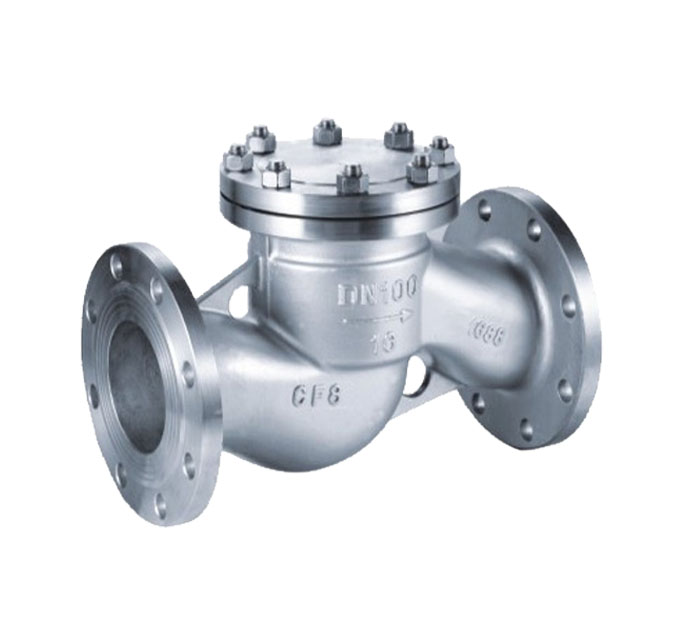
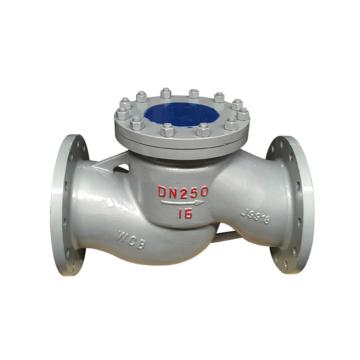
I’ve been around valve shops long enough to smell a good seat finish from the doorway—odd skill, I know. Lately, the phrase check valve lift type keeps popping up in RFQs from power and chemical buyers. And there’s a reason: compact form, reliable non-return, easy maintenance. The H41W-16/25/40P、R Stainless Steel Lifting Check Valve from Hebei (Baoding) hits that sweet spot for steam lines, condensate, and even corrosive duty. To be honest, it’s not flashy—but it’s the valve you call at 2 a.m. when a pump trips.

Where this valve fits in today’s market
Trend-wise, plants are chasing lower leakage, higher temperature margins, and cleaner materials. Stainless variants (304/316/316L) are the go-to for decarbonized steam loops and light chemical service. The check valve lift type design remains popular because it’s simple: a guided disc lifts with flow, drops with backflow—less chatter, tighter shut-off when machined correctly.
Quick spec snapshot
| Model | H41W-16/25/40P、R Stainless Steel Lifting Check Valve |
| Pressure class (PN) | 1.6–25 MPa (≈ Class 150–2500, real-world use may vary) |
| Size range | DN15–DN600 |
| Medium / Temp | Water, steam, oil, nitric acid, acetic acid; ≤425 ℃ |
| Body / Ends | Stainless steel (e.g., 304/316/316L); flanged ends |
| Standards | National Standard implementation; testing per GB/T 13927; flange to ASME B16.5 (on request) |

How it’s built and verified (shop-floor flow)
- Materials: solution-annealed stainless body/bonnet; precision-machined guided disc and seat; optional 316/316L trims.
- Process: casting or forging (size-dependent), CNC machining, seat lapping, spring/guide alignment, assembly torque check.
- Testing: shell test at ≈1.5×PN, seat test at ≈1.1×PN per GB/T 13927 / API 598; visual inspection, PMI spot checks, surface roughness audit.
- Traceability: heat numbers kept through machining; MTRs available (ask early).
- Service life: ≈10–15 years under clean-media conditions; harsh acids and cycling reduce this—just being real.
Typical outcomes we’ve seen: shell—no visible leakage; seat—tight shutoff within standard acceptance limits. Many customers say the disc return is “quieter than expected,” especially on vertical lines.
Applications and advantages
- Steam and condensate return in power/CHP (the check valve lift type minimizes slamming when sized correctly).
- Chemical transfer (nitric/acetic acid) with 316L trims.
- Oil lines where backflow protection is non-negotiable.
Benefits: compact envelope, guided disc stability, easy bonnet access, and frankly, predictable pricing.
Vendor comparison (quick take)
| Vendor | Testing & Standards | Lead Time | Customization |
|---|---|---|---|
| HBYS Valves (Baoding, Hebei) | GB/T 13927, API 598; ISO 9001 docs available | ≈2–5 weeks (DN/PN dependent) | Seat/trims, flange stds, nameplate, NACE options |
| Import Brand | API 598, ISO 5208; full dossier | 6–10 weeks | Broad, but pricing premium |
| Regional OEM | Varies; request samples | 3–8 weeks | Limited trims/marking |
Customization notes
Common requests: 316L seat/disc, low-temperature service springs, ASME B16.5 Class flanges, PTFE or hardfaced seating, specific NDT (PT/MT) on seating surfaces. If you’re pushing 425 ℃ or nitric acid duty, say so up front—saves back-and-forth.
Field case (short and sweet)
Hebei chemical line, diluted nitric acid at ~80 ℃, DN100, PN25. After swapping in check valve lift type with 316L trims, seat leakage complaints dropped to zero over 9 months of cyclical service. Operator feedback: “no chatter on startup; maintenance hasn’t touched it.”
Origin: North Guzhuangying Village, Ansu Town, Xushui District, Baoding City, Hebei Province, China.
Authoritative references
- GB/T 13927 – Industrial valves—Pressure testing of valves.
- API 598 – Valve Inspection and Testing.
- GB/T 12235 – General purpose industrial steel check valves.
- ASME B16.5 – Pipe Flanges and Flanged Fittings.
-
Comprehensive Guide to China Pipe Laterals Fittings for Global Trade ApplicationsVijestiFeb.24,2026
-
China Extended Body Gate Valves A Comprehensive Guide To Selection And ApplicationVijestiFeb.11,2026
-
Comprehensive Guide to China 3 Inch Butterfly Valve Selection and ApplicationsVijestiJan.30,2026
-
Comprehensive Guide to Pipe Adaptors and Fittings for Efficient SystemsVijestiJan.28,2026
-
Comprehensive Guide to Pipe T Fittings for Plumbing and Fluid Transfer SystemsVijestiJan.28,2026
-
Comprehensive Guide to Union Pipe Fitting Selection and ApplicationsVijestiJan.27,2026
-
Comprehensive Guide to China Angle Globe Valves for Industrial ApplicationsVijestiJan.27,2026
 Bosnian
 Afrikaans
  Albanian
  Amharic
  Arabic
  Armenian
  Azerbaijani
  Basque
  Belarusian
  Bengali
  Bulgarian
  Catalan
  Cebuano
  Croatian
  Czech
Czech  Danish
  Dutch
Dutch  English Esperanto
  Estonian
  Finnish
  French
  Frisian
  Galician
  Georgian
  German
  Greek
Greek  Gujarati
  Hebrew
  Hindi
Hindi  Hungarian
  Icelandic
  Indonesian
  Italian
  Japanese
  Kannada
  Kazakh
  Khmer
Khmer  Korean
  Kurdish
  Lao
Lao  Latvian
  Lithuanian
  Macedonian
  Malay
Malay  Malayalam
  Marathi
  Mongolian
  Myanmar
  Nepali
  Norwegian
  Pashto
  Persian
  Polish
  Portuguese
  Panjabi
  Romanian
  Russian
  Scottish Gaelic
  Serbian
  Sinhala
  Slovak
  Slovenian
  Spanish
  Swahili
  Swedish
  Tagalog
  Tamil
Tamil  Tatar
Tatar  Telugu
  Thai
Thai  Turkish
  Ukrainian
  Urdu
Urdu  Uighur
  Uzbek
Uzbek  Vietnamese
  Welsh
Welsh