 86-312-8695888
 86-13722963501
 info@hbysindustry.com
-
 Afrikanac
-
 Albanac
-
 amharski
-
 arapski
-
 Jermenski
-
 Azerbejdžanski
-
 Basque
-
 bjeloruski
-
 bengalski
-
 bosanski
-
 bugarski
-
 katalonski
-
 Cebuano
-
 Korzikanac
-
 hrvatski
-
 češki
češki
-
 danski
-
 Dutch
Dutch
-
 engleski
-
 esperanto
-
 estonski
-
 Finski
-
 francuski
-
 Frizijski
-
 galicijski
-
 Gruzijski
-
 njemački
-
 grčki
grčki
-
 gudžarati
-
 haićanski kreolski
-
 hausa
hausa
-
 hawaiian
-
 hebrejski
-
 Ne
Ne
-
 Miao
Miao
-
 Mađarski
-
 islandski
-
 igbo
igbo
-
 indonezijski
-
 irski
irski
-
 talijanski
-
 Japanski
-
 Javanese
-
 kanada
-
 kazakh
-
 kmerski
-
 Ruandski
-
 korejski
-
 kurdski
-
 kirgiski
-
 TB
TB
-
 Latinski
-
 Latvian
-
 litvanski
-
 Luksemburški
-
 makedonski
-
 Malgashi
-
 malajski
-
 malajalam
-
 Maltezer
-
 Maori
Maori
-
 Marathi
-
 mongolski
-
 Myanmar
-
 nepalski
-
 norveški
-
 norveški
-
 Occitan
-
 Pashto
-
 perzijski
-
 Poljski
-
 portugalski
-
 Punjabi
-
 rumunski
-
 ruski
ruski
-
 Samoan
-
 Scottish Gaelic
-
 srpski
-
 engleski
-
 Šona
Šona
-
 Sindhi
-
 Sinhala
-
 slovački
-
 slovenački
-
 somalijski
-
 španski
-
 sundanski
-
 svahili
-
 švedski
-
 Tagalog
-
 Tajik
Tajik
-
 tamilski
-
 Tatar
Tatar
-
 telugu
-
 tajlandski
-
 turski
-
 Turkmen
-
 ukrajinski
-
 Urdu
Urdu
-
 Ujgur
Ujgur
-
 Uzbek
Uzbek
-
 Vijetnamski
-
 velški
-
 Upomoć
-
 jidiš
jidiš
-
 Yoruba
-
 Zulu
Zulu


Flange Butterfly Valve - Zero-Leakage, Corrosion Resistant
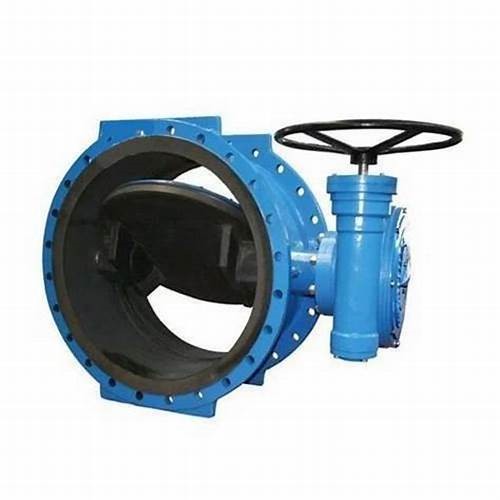
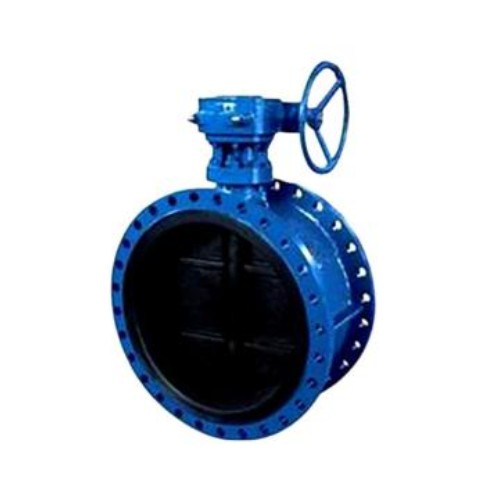
D341J-16 Rubber-lined Flange Butterfly Valve: field notes from the floor
When you spec a flange butterfly valve, you’re really balancing a triangle: sealing reliability, footprint, and lifecycle cost. Over the past year, I’ve toured a few northern China shops and—full disclosure—ended up rather impressed by the D341J-16 rubber-lined series coming out of Xushui District, Baoding. It’s not flashy; it just works.
Quick context and where it’s built
Origin: North Guzhuangying Village, Ansu Town, Xushui District, Baoding City, Hebei, China. If you’ve followed China’s valve corridor, you know the supply chain here is tight—rubber lining, machining, epoxy, and testing in close proximity. That keeps lead times sane and prices, well, competitive.
Core specifications (D341J-16)
| Size (DN) | DN50–DN1000 | Pressure rating | PN10/PN16 (1.0–1.6 MPa) |
| Medium | Water, oil, gas | Temperature | -10 to 80 ℃ |
| Body materials | Ductile iron, carbon steel, stainless steel | Connection | Flange |
| Seat/Lining | Rubber-lined (EPDM/NBR options, project-dependent) | Service life | ≈50,000–100,000 cycles (real-world use may vary) |
How it’s made (and tested), briefly
-
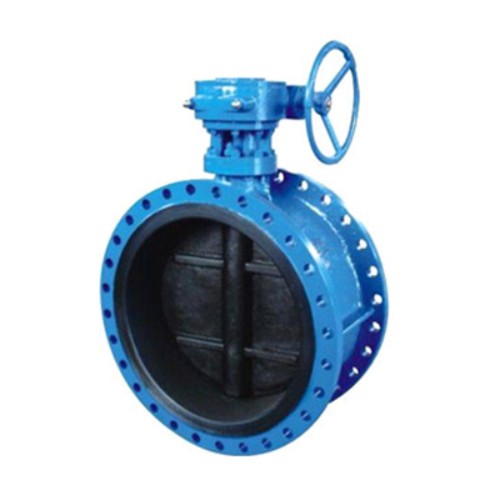
- Materials: body in ductile iron or steel; precision-machined disc; integrally bonded rubber lining for tight shutoff.
- Methods: shot-blast, CNC boring, vulcanized lining, epoxy exterior. To be honest, the consistency of the lining bond is what many customers praise.
- Testing: shell test at 1.5×PN and seat test at 1.1×PN per ISO 5208/API 598; torque checked against ISO 5211 actuation pads; coating thickness spot-checked (DFT).
- Certifications: ISO 9001; CE available on request; compliance with EN 593/API 609 Category A (resilient seated) as configured.
Where it’s used
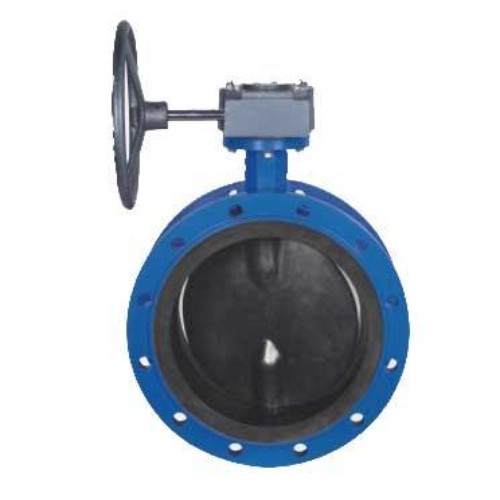
Municipal water, HVAC loops, light-industrial process water, irrigation, and low-temperature oil/gas lines. In a food plant case I followed, a DN400 flange butterfly valve with EPDM seat replaced an aging gate valve, cut maintenance by half, and—surprisingly—reduced actuator load due to lower torque.
Anecdotal feedback
“No visible seat set after 20k cycles,” one facility engineer told me. Another liked the straightforward flange alignment and the clean bore. There was a minor gripe about paint scuffs in transit (packaging has since been bumped up, they say).
Vendor snapshot (informal, indicative)
| Vendor | Size range | Seat options | Certs | Lead time | Notes |
|---|---|---|---|---|---|
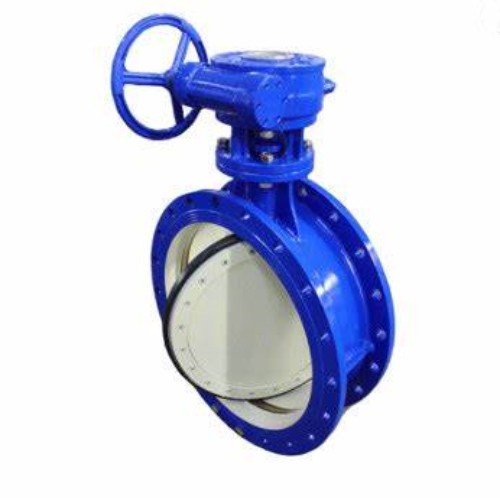
| HBYS (Baoding) | DN50–DN1000 | EPDM, NBR | ISO 9001, CE | 2–5 weeks (≈) | Good value, strong rubber bond |
| Brand X (imported) | DN50–DN1200 | EPDM, NBR, FKM | CE, WRAS, ISO 9001 | 6–10 weeks (≈) | Premium pricing, broader approvals |
| Regional Supplier | DN80–DN600 | EPDM | ISO 9001 | Stock for DN≤300 | Fast swaps, limited specials |
Customization and integration tips
-
- Actuation: ISO 5211 pad—gear, electric, or pneumatic; size torque maps available on request.
- Flanges: EN 1092-1 PN10/16 or ASME Class 150 on some builds; confirm drilling before ordering.
- Seats: pick EPDM for water/HVAC; NBR for oil. Always check media compatibility and temperature margins.
- Documentation: MTRs, pressure test records, coating DFT logs—ask early, saves time later.
Bottom line? For utilities and light process duty, a rubber-lined flange butterfly valve like the D341J-16 hits that sweet spot of price-to-performance—and, actually, installation is pleasantly uneventful.
Standards and references
- ISO 5208: Pressure testing of metallic valves.
- API 609: Butterfly Valves, Category A (resilient-seated).
- EN 593: Industrial valves — Butterfly valves.
- GB/T 12238: General purpose industrial butterfly valves (China).
-
Comprehensive Guide to China Pipe Laterals Fittings for Global Trade ApplicationsVijestiFeb.24,2026
-
China Extended Body Gate Valves A Comprehensive Guide To Selection And ApplicationVijestiFeb.11,2026
-
Comprehensive Guide to China 3 Inch Butterfly Valve Selection and ApplicationsVijestiJan.30,2026
-
Comprehensive Guide to Pipe Adaptors and Fittings for Efficient SystemsVijestiJan.28,2026
-
Comprehensive Guide to Pipe T Fittings for Plumbing and Fluid Transfer SystemsVijestiJan.28,2026
-
Comprehensive Guide to Union Pipe Fitting Selection and ApplicationsVijestiJan.27,2026
-
Comprehensive Guide to China Angle Globe Valves for Industrial ApplicationsVijestiJan.27,2026
 Bosnian
 Afrikaans
  Albanian
  Amharic
  Arabic
  Armenian
  Azerbaijani
  Basque
  Belarusian
  Bengali
  Bulgarian
  Catalan
  Cebuano
  Croatian
  Czech
Czech  Danish
  Dutch
Dutch  English Esperanto
  Estonian
  Finnish
  French
  Frisian
  Galician
  Georgian
  German
  Greek
Greek  Gujarati
  Hebrew
  Hindi
Hindi  Hungarian
  Icelandic
  Indonesian
  Italian
  Japanese
  Kannada
  Kazakh
  Khmer
Khmer  Korean
  Kurdish
  Lao
Lao  Latvian
  Lithuanian
  Macedonian
  Malay
Malay  Malayalam
  Marathi
  Mongolian
  Myanmar
  Nepali
  Norwegian
  Pashto
  Persian
  Polish
  Portuguese
  Panjabi
  Romanian
  Russian
  Scottish Gaelic
  Serbian
  Sinhala
  Slovak
  Slovenian
  Spanish
  Swahili
  Swedish
  Tagalog
  Tamil
Tamil  Tatar
Tatar  Telugu
  Thai
Thai  Turkish
  Ukrainian
  Urdu
Urdu  Uighur
  Uzbek
Uzbek  Vietnamese
  Welsh
Welsh