 86-312-8695888
 86-13722963501
 info@hbysindustry.com
-
 Afrikanac
-
 Albanac
-
 amharski
-
 arapski
-
 Jermenski
-
 Azerbejdžanski
-
 Basque
-
 bjeloruski
-
 bengalski
-
 bosanski
-
 bugarski
-
 katalonski
-
 Cebuano
-
 Korzikanac
-
 hrvatski
-
 češki
češki
-
 danski
-
 Dutch
Dutch
-
 engleski
-
 esperanto
-
 estonski
-
 Finski
-
 francuski
-
 Frizijski
-
 galicijski
-
 Gruzijski
-
 njemački
-
 grčki
grčki
-
 gudžarati
-
 haićanski kreolski
-
 hausa
hausa
-
 hawaiian
-
 hebrejski
-
 Ne
Ne
-
 Miao
Miao
-
 Mađarski
-
 islandski
-
 igbo
igbo
-
 indonezijski
-
 irski
irski
-
 talijanski
-
 Japanski
-
 Javanese
-
 kanada
-
 kazakh
-
 kmerski
-
 Ruandski
-
 korejski
-
 kurdski
-
 kirgiski
-
 TB
TB
-
 Latinski
-
 Latvian
-
 litvanski
-
 Luksemburški
-
 makedonski
-
 Malgashi
-
 malajski
-
 malajalam
-
 Maltezer
-
 Maori
Maori
-
 Marathi
-
 mongolski
-
 Myanmar
-
 nepalski
-
 norveški
-
 norveški
-
 Occitan
-
 Pashto
-
 perzijski
-
 Poljski
-
 portugalski
-
 Punjabi
-
 rumunski
-
 ruski
ruski
-
 Samoan
-
 Scottish Gaelic
-
 srpski
-
 engleski
-
 Šona
Šona
-
 Sindhi
-
 Sinhala
-
 slovački
-
 slovenački
-
 somalijski
-
 španski
-
 sundanski
-
 svahili
-
 švedski
-
 Tagalog
-
 Tajik
Tajik
-
 tamilski
-
 Tatar
Tatar
-
 telugu
-
 tajlandski
-
 turski
-
 Turkmen
-
 ukrajinski
-
 Urdu
Urdu
-
 Ujgur
Ujgur
-
 Uzbek
Uzbek
-
 Vijetnamski
-
 velški
-
 Upomoć
-
 jidiš
jidiš
-
 Yoruba
-
 Zulu
Zulu


Soft Close Check Valve: Stop Water Hammer, Go Silent?
Delaying Close Check Valve 300X: quiet line protection that operators actually notice
If you’ve ever jumped at the thump of water hammer after a pump trip, you’ll understand why the humble soft close check valve is getting so much attention. In municipal stations and high-rise HVAC rooms, the buzz is the same: slow, controlled closure beats hard slams every day of the week.
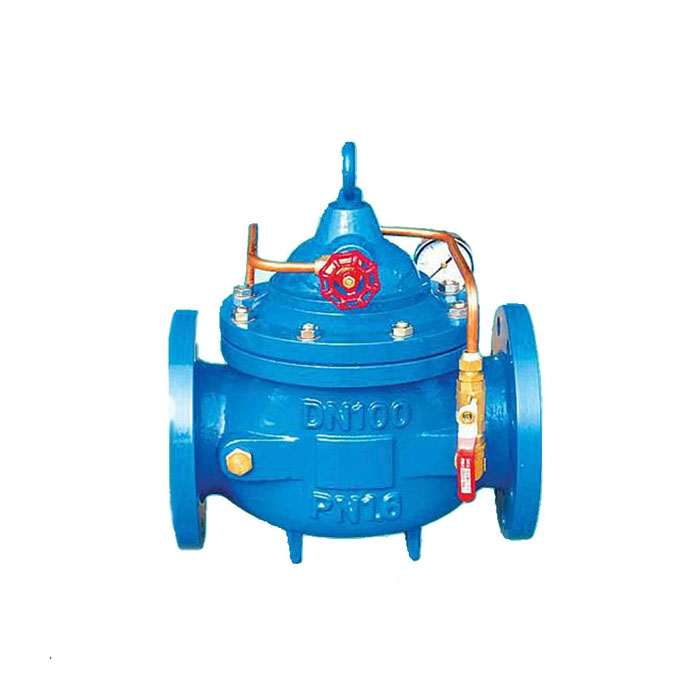
What it is, and why it’s trending
The Delaying Close Check Valve 300X uses a pilot-controlled hydraulic mechanism to delay and cushion closure—reducing surge, protecting pumps, and yes, quieting the room. It’s not glamorous, but it’s the sort of reliability upgrade maintenance teams quietly cheer. Industry trend-wise, utilities are prioritizing non-slam check technology, pairing it with VFD logic and surge analysis to cut lifecycle costs and noise. Honestly, it’s overdue.
| Parameter | Delaying Close Check Valve 300X (≈ values; real-world use may vary) |
|---|---|
| Medium | Water |
| Temperature | ≤ 80 ℃ |
| Caliber (DN) | DN25–450 |
| Pressure rating | 1.0–2.5 MPa (PN10/16/25) |
| Body material | Cast iron (epoxy-coated interior/exterior) |
| Connection | Flange |
| Closure profile | Hydraulic, adjustable delay/soft close |
| Service life | Designed for ≈200k cycles under water duty |
| Testing | Hydrostatic per GB/T 13927, API 598 |
| Certifications | ISO 9001 QMS; material traceability on request |

Where it’s used (and what users report)
- Municipal booster and well stations: fewer nuisance alarms, smoother pump stops.
- High‑rise HVAC and district cooling: reduced riser shock; quieter mechanical rooms.
- Irrigation and mining water transfer: less pipeline fatigue; easier on supports.
Feedback? Many customers say noise drops instantly. One ops manager joked the first day felt “suspiciously calm.” Hard to argue.
How it’s built (quick process flow)
Materials arrive with heat numbers, then: precision machining → shot‑blast → fusion‑bonded epoxy → pilot assembly → hydrostatic shell/seat tests (per GB/T 13927, API 598) → closure time calibration → final inspection. Typical life? 10–15 years in clean water with routine maintenance; harsher water needs shorter intervals.
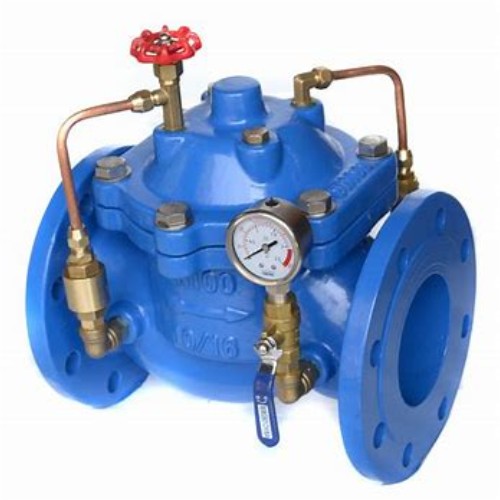
Vendor comparison (practical, not theoretical)
| Tip | Closing profile | Surge risk | Maintenance |
|---|---|---|---|
| 300X soft close check valve | Hydraulic, adjustable delay | Low | Pilot inspection, periodic |
| Generic spring check | Fast snap | Medium–High | Low |
| Hydraulic non‑slam (alt. brand) | Cushioned | Low | Medium (pilot service) |
Customization options
Coating thickness, pilot orifice sizes, closing-time range, gauge kits, position indicators, and PN10/16/25 flanges. Sizes DN25–450 are standard; larger diameters by request. Documentation: hydro test reports, MTCs, and—if needed—EN 1074 compliance notes for potable networks.
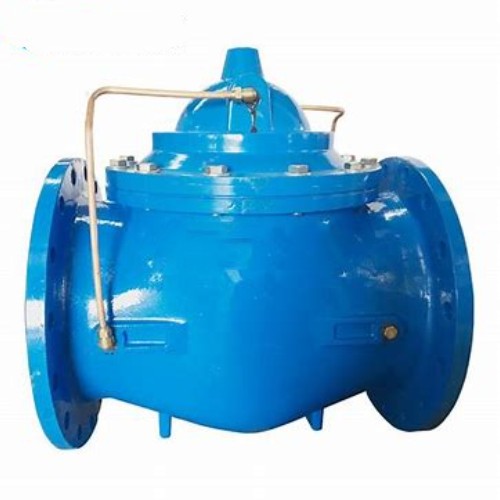
Mini case study: pump trip without the drama
A coastal booster set (PN16, DN300) replaced swing checks with soft close check valve units. After commissioning, peak surge recorded during emergency trip dropped from ≈1.60 MPa to ≈1.20 MPa (about 25% lower), with audible “slam” effectively gone. Operators also noticed fewer seal weeps on downstream fittings three months in—small but telling.
Origin: 1. North Guzhuangying Village, Ansu Town, Xushui District, Baoding City, Hebei Province, China.
To be honest, the quiet payoff is immediate; the ROI shows up later in reduced pipe stress and pump wear. Just remember: set the closure timing to your system curve, not a guess.
- API 598: Valve Inspection and Testing.
- GB/T 13927: Industrial valves—Pressure testing.
- EN 1074-1/2: Valves for water supply systems.
- AWWA C508: Swing-Check Valves for Waterworks Service.
- ISO 9001:2015 Quality management systems.
-
Comprehensive Guide to China Pipe Laterals Fittings for Global Trade ApplicationsVijestiFeb.24,2026
-
China Extended Body Gate Valves A Comprehensive Guide To Selection And ApplicationVijestiFeb.11,2026
-
Comprehensive Guide to China 3 Inch Butterfly Valve Selection and ApplicationsVijestiJan.30,2026
-
Comprehensive Guide to Pipe Adaptors and Fittings for Efficient SystemsVijestiJan.28,2026
-
Comprehensive Guide to Pipe T Fittings for Plumbing and Fluid Transfer SystemsVijestiJan.28,2026
-
Comprehensive Guide to Union Pipe Fitting Selection and ApplicationsVijestiJan.27,2026
-
Comprehensive Guide to China Angle Globe Valves for Industrial ApplicationsVijestiJan.27,2026
 Bosnian
 Afrikaans
  Albanian
  Amharic
  Arabic
  Armenian
  Azerbaijani
  Basque
  Belarusian
  Bengali
  Bulgarian
  Catalan
  Cebuano
  Croatian
  Czech
Czech  Danish
  Dutch
Dutch  English Esperanto
  Estonian
  Finnish
  French
  Frisian
  Galician
  Georgian
  German
  Greek
Greek  Gujarati
  Hebrew
  Hindi
Hindi  Hungarian
  Icelandic
  Indonesian
  Italian
  Japanese
  Kannada
  Kazakh
  Khmer
Khmer  Korean
  Kurdish
  Lao
Lao  Latvian
  Lithuanian
  Macedonian
  Malay
Malay  Malayalam
  Marathi
  Mongolian
  Myanmar
  Nepali
  Norwegian
  Pashto
  Persian
  Polish
  Portuguese
  Panjabi
  Romanian
  Russian
  Scottish Gaelic
  Serbian
  Sinhala
  Slovak
  Slovenian
  Spanish
  Swahili
  Swedish
  Tagalog
  Tamil
Tamil  Tatar
Tatar  Telugu
  Thai
Thai  Turkish
  Ukrainian
  Urdu
Urdu  Uighur
  Uzbek
Uzbek  Vietnamese
  Welsh
Welsh