 86-312-8695888
 86-13722963501
 info@hbysindustry.com
-
 Aafrika
-
 albaanlane
-
 amhari
-
 araabia keel
-
 armeenlane
-
 Aserbaidžaan
-
 baski keel
-
 valgevenelane
-
 bengali
-
 bosnia keel
-
 bulgaaria keel
-
 katalaani
-
 Cebuano
-
 Korsika
-
 Horvaatia
-
 Tšehhi
-
 taani keel
-
 hollandi keel
-
 Inglise
-
 esperanto
-
 eesti keel
-
 soome keel
-
 prantsuse keel
-
 friisi keel
-
 Galicia
-
 Gruusia keel
-
 saksa keel
-
 kreeka keel
-
 gudžarati
-
 Haiti kreool
-
 hausa
hausa
-
 havai
havai
-
 heebrea
-
 Ei
Ei
-
 Miao
Miao
-
 ungari
-
 islandi
-
 igbo
igbo
-
 Indoneesia
-
 iirlane
-
 itaalia keel
-
 Jaapani
-
 jaava keel
-
 kannada
-
 kasahhi
-
 khmeerid
-
 Rwanda
-
 korea keel
-
 kurdi
kurdi
-
 kirgiisi
-
 TB
TB
-
 ladina keel
-
 lätlane
-
 Leedu
Leedu
-
 Luksemburgi keel
-
 makedoonlane
-
 Malgashi
-
 malai
malai
-
 malajalami
-
 malta keel
-
 maoorid
-
 marati
-
 mongoli keel
-
 Myanmar
-
 Nepali
-
 norra keel
-
 norra keel
-
 oksitaan
-
 puštu
puštu
-
 pärslane
-
 poola keel
-
 portugali keel
-
 pandžabi
-
 rumeenlane
-
 vene keel
-
 Samoa
Samoa
-
 šoti gaeli keel
-
 serblane
-
 Inglise
-
 Shona
Shona
-
 Sindhi
-
 singali keel
-
 slovaki
-
 Sloveenia
-
 Somaalia
-
 hispaania keel
-
 sundalane
-
 suahiili keel
-
 rootsi keel
-
 tagalog
-
 tadžiki
-
 tamili keel
-
 tatarlane
-
 telugu
-
 Tai
Tai
-
 türgi keel
-
 türkmeen
-
 ukrainlane
-
 urdu
urdu
-
 uiguurid
-
 usbeki
-
 vietnamlane
-
 kõmri
kõmri
-
 Abi
Abi
-
 jidiš
jidiš
-
 joruba
-
 suulu
suulu


Hydraulic Balance Valve: Precise Control & Energy Saving?
Field Notes on a Workhorse: JP41F-16/16Q Hydraulic Water Pump Balanced Valve
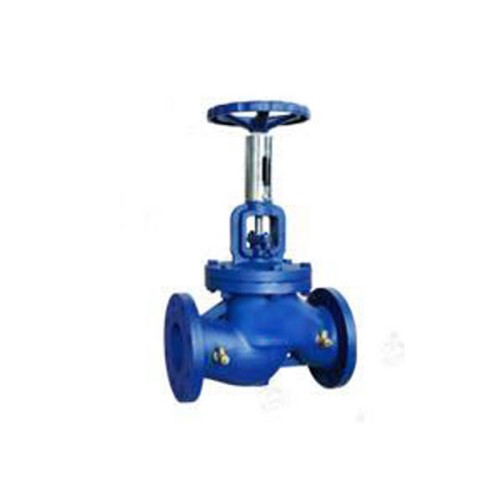
In water systems, balance isn’t a luxury—it’s the difference between smooth, efficient flow and noisy, cavitating chaos. The JP41F-16/16Q from Hebei Baoding (yes, the factory on North Guzhuangying Village, Ansu Town, Xushui District) is a hydraulic balance valve built for everyday reliability. Industry folks keep telling me the same thing: it’s not flashy, but it behaves. And in pump rooms, that’s what you want.

What’s changing in the industry
We’re seeing steady migration to coated ductile iron, tighter leakage classes (ISO 5208, EN 1074), and more emphasis on pump protection and stable Δp. Surprisingly, utilities still favor manual gear where power is scarce—because it just works. I guess practicality wins.
Quick spec snapshot
| Model | JP41F-16/16Q |
| Size Range | DN20–DN150 |
| Pressure Rating | PN16 (1.6 MPa) |
| Medium / Temp | Water, ≤100 ℃ |
| Body Material | Gray cast iron standard; ductile iron option (16Q) |
| Operation | Manual |
| Connection | Flanged |

Where it fits (and why it helps)
- Booster pump sets to stabilize discharge and protect against surge.
- Municipal distribution loops and DMA zones needing predictable flow balance.
- Campus HVAC secondary circuits where a hydraulic balance valve tames differential pressure swings.
- Industrial process water, closed loops, utility headers—anywhere you want steady flow and low chatter.
Advantages: simple manual actuation, corrosion‑resistant coating, and a seat design that, in real-world use, holds tight. Many customers say noise drops after swapping in this hydraulic balance valve.
Manufacturing and testing (the honest bits)
Materials: gray cast iron or ductile iron body; stainless trim on request; EPDM seat for water. Methods: precision machining, epoxy fusion-bonded coating ≈250 μm (typ.), then assembly and torque verification. Tests follow ISO 5208 / GB/T 13927: shell ≈2.4 MPa, seat ≈1.76 MPa; leakage class per EN 12266-1/ISO 5208 (usually Rate A). Service life is around 10,000–20,000 cycles in-house; your mileage varies with water quality.
Vendor comparison (field-level view)
| Vendor / Model | Materjal | PN | Certs | Notes |
|---|---|---|---|---|
| JP41F-16/16Q (Hebei) | Gray CI / Ductile Iron | PN16 | ISO 5208, GB/T 13927 | Solid price/performance; easy manual setup |
| Generic Brass Balancer | CW617N Brass | PN16–20 | EN 12165, EN 12266 | Compact, but temp-limited; pricier at larger DN |
| Stainless Competitor | CF8M/SS316 | PN16–25 | EN 1092, ISO 5208 | Excellent corrosion resistance; higher cost |
Customization options
- Body: ductile iron upgrade for tougher duty.
- Seat/trim: EPDM, NBR, or stainless internals for specific waters.
- Coating: potable-water epoxy; color per project spec.
- Flange drilling: EN 1092-2 or ASME B16.1 patterns.
- Witness and documentation: hydro test reports, material certs (EN 10204 2.2/3.1).
Two quick case notes
1) Municipal booster, DN100 pair on a twin-pump skid: after installing this hydraulic balance valve, operators reported steadier discharge pressure and a quieter NPSH profile. Energy logs hinted at ≈3–4% savings. 2) University chilled-water loop (DN50): techs liked the linear response—“set-and-forget,” one told me, which is rare praise.
Final checklists
- Standards to reference: ISO 5208, EN 12266-1, EN 1074-1/2, GB/T 13927, AWWA guidance for waterworks.
- Install tips: flush lines, align flanges, torque cross-pattern, recheck after 24 hours. It’s basic, and it prevents 90% of call-backs.
Origin: North Guzhuangying Village, Ansu Town, Xushui District, Baoding City, Hebei, China. For projects that need a durable, manual hydraulic balance valve without drama, this one deserves a spot on the shortlist.
Authoritative references
- ISO 5208:2015, Industrial valves — Pressure testing of metallic valves.
- GB/T 13927-2008, Industrial valves — Pressure testing.
- EN 1074-1/2:2000, Valves for water supply — General requirements; Isolating valves and check valves.
- AWWA C508-15, Swing-Check Valves for Waterworks Service (applicable guidance).
-
Comprehensive Guide to China Pipe Laterals Fittings for Global Trade ApplicationsUudisedFeb.24,2026
-
China Extended Body Gate Valves A Comprehensive Guide To Selection And ApplicationUudisedFeb.11,2026
-
Comprehensive Guide to China 3 Inch Butterfly Valve Selection and ApplicationsUudisedJan.30,2026
-
Comprehensive Guide to Pipe Adaptors and Fittings for Efficient SystemsUudisedJan.28,2026
-
Comprehensive Guide to Pipe T Fittings for Plumbing and Fluid Transfer SystemsUudisedJan.28,2026
-
Comprehensive Guide to Union Pipe Fitting Selection and ApplicationsUudisedJan.27,2026
-
Comprehensive Guide to China Angle Globe Valves for Industrial ApplicationsUudisedJan.27,2026
 Estonian
 Afrikaans
  Albanian
  Amharic
  Arabic
  Armenian
  Azerbaijani
  Basque
  Belarusian
  Bengali
  Bosnian
  Bulgarian
  Catalan
  Cebuano
  Croatian
  Czech
Czech  Danish
  Dutch
Dutch  English Esperanto
  Finnish
  French
  Frisian
  Galician
  Georgian
  German
  Greek
Greek  Gujarati
  Hebrew
  Hindi
Hindi  Hungarian
  Icelandic
  Indonesian
  Italian
  Japanese
  Kannada
  Kazakh
  Khmer
Khmer  Korean
  Kurdish
  Lao
Lao  Latvian
  Lithuanian
  Macedonian
  Malay
Malay  Malayalam
  Marathi
  Mongolian
  Myanmar
  Nepali
  Norwegian
  Pashto
  Persian
  Polish
  Portuguese
  Panjabi
  Romanian
  Russian
  Scottish Gaelic
  Serbian
  Sinhala
  Slovak
  Slovenian
  Spanish
  Swahili
  Swedish
  Tagalog
  Tamil
Tamil  Tatar
Tatar  Telugu
  Thai
Thai  Turkish
  Ukrainian
  Urdu
Urdu  Uighur
  Uzbek
Uzbek  Vietnamese
  Welsh
Welsh