 86-312-8695888
 86-13722963501
 info@hbysindustry.com
-
 Aafrika
-
 albaanlane
-
 amhari
-
 araabia keel
-
 armeenlane
-
 Aserbaidžaan
-
 baski keel
-
 valgevenelane
-
 bengali
-
 bosnia keel
-
 bulgaaria keel
-
 katalaani
-
 Cebuano
-
 Korsika
-
 Horvaatia
-
 Tšehhi
-
 taani keel
-
 hollandi keel
-
 Inglise
-
 esperanto
-
 eesti keel
-
 soome keel
-
 prantsuse keel
-
 friisi keel
-
 Galicia
-
 Gruusia keel
-
 saksa keel
-
 kreeka keel
-
 gudžarati
-
 Haiti kreool
-
 hausa
hausa
-
 havai
havai
-
 heebrea
-
 Ei
Ei
-
 Miao
Miao
-
 ungari
-
 islandi
-
 igbo
igbo
-
 Indoneesia
-
 iirlane
-
 itaalia keel
-
 Jaapani
-
 jaava keel
-
 kannada
-
 kasahhi
-
 khmeerid
-
 Rwanda
-
 korea keel
-
 kurdi
kurdi
-
 kirgiisi
-
 TB
TB
-
 ladina keel
-
 lätlane
-
 Leedu
Leedu
-
 Luksemburgi keel
-
 makedoonlane
-
 Malgashi
-
 malai
malai
-
 malajalami
-
 malta keel
-
 maoorid
-
 marati
-
 mongoli keel
-
 Myanmar
-
 Nepali
-
 norra keel
-
 norra keel
-
 oksitaan
-
 puštu
puštu
-
 pärslane
-
 poola keel
-
 portugali keel
-
 pandžabi
-
 rumeenlane
-
 vene keel
-
 Samoa
Samoa
-
 šoti gaeli keel
-
 serblane
-
 Inglise
-
 Shona
Shona
-
 Sindhi
-
 singali keel
-
 slovaki
-
 Sloveenia
-
 Somaalia
-
 hispaania keel
-
 sundalane
-
 suahiili keel
-
 rootsi keel
-
 tagalog
-
 tadžiki
-
 tamili keel
-
 tatarlane
-
 telugu
-
 Tai
Tai
-
 türgi keel
-
 türkmeen
-
 ukrainlane
-
 urdu
urdu
-
 uiguurid
-
 usbeki
-
 vietnamlane
-
 kõmri
kõmri
-
 Abi
Abi
-
 jidiš
jidiš
-
 joruba
-
 suulu
suulu


Reliable and Rugged: Why the Lug Type Butterfly Valve Is Dominating the Market
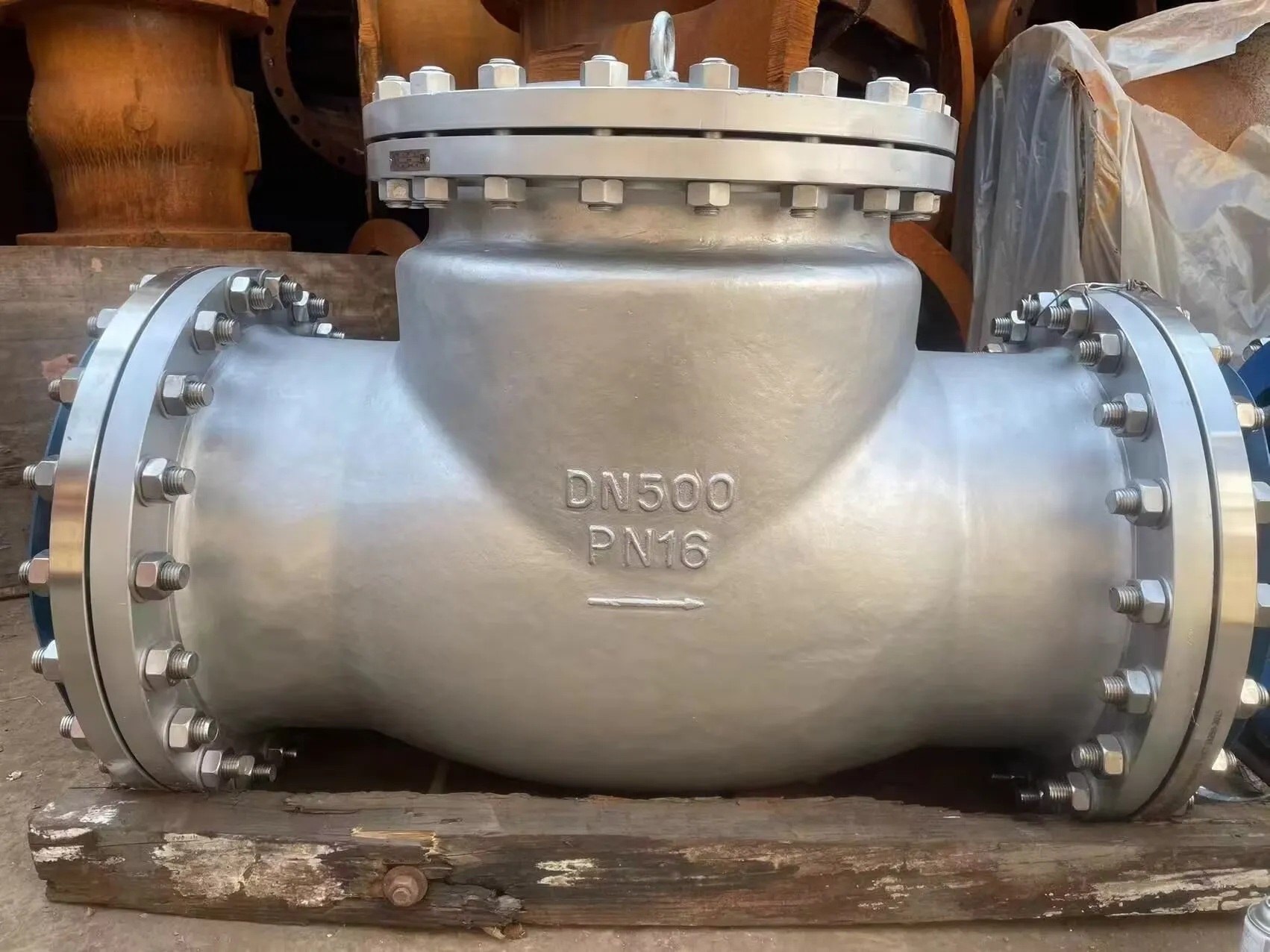
In today’s ever-evolving fluid control industry, precision and reliability are essential. From municipal pipelines to industrial processing systems, more engineers and plant managers are turning to the lug type butterfly valve as their go-to solution. Its unique connection system, dependable shaft material, and increasing market relevance make it the ideal valve for modern infrastructure. Whether you're upgrading an existing system or designing a new one, this valve offers strength, serviceability, and streamlined installation like no other.
Why the Wafer Connection of the Lug Type Butterfly Valve Is a Game-Changer
One of the defining features of the lug type butterfly valve is its wafer-style connection method—combining the best of both worlds in valve mounting and versatility. Unlike traditional wafer valves that rely on long bolts passing through the entire valve body and both pipe flanges, this model includes threaded lugs that allow individual bolts to connect each flange to the valve body independently.
This wafer-inspired lug configuration offers multiple installation advantages. First, it enables easy removal of downstream piping without disrupting upstream connections—ideal for maintenance, inspections, or partial replacements. Second, it enhances alignment precision, ensuring that the valve sits perfectly centered between flanges, which promotes better disc movement and sealing.
The wafer lug type butterfly valve is also suitable for end-of-line service when a blind flange is used—offering flexibility not typically possible with basic wafer valves. Its wafer mounting saves space and weight while retaining the reliability of a bolted connection. The result? Less downtime, faster installation, and more control in tight or complex piping networks.
Strength in the Shaft: The Benefits of a Carbon Steel Valve Shaft
At the core of every lug type butterfly valve lies one of its most critical components—the valve shaft. When subjected to constant torque and media flow, the durability and performance of this shaft directly influence the valve’s service life and reliability. That’s why modern designs often employ carbon steel for the valve shaft—striking the perfect balance between strength, toughness, and corrosion resistance.
Carbon steel shafts are particularly advantageous in high-pressure and high-temperature environments, thanks to their excellent mechanical strength. Unlike stainless steel, which can be more expensive and over-engineered for certain fluid types, carbon steel provides the ruggedness needed for consistent operation while keeping production costs reasonable.
Moreover, carbon steel’s superior machinability ensures tighter tolerances during manufacturing, which contributes to smooth valve actuation and better sealing performance. Whether handling water, oil, or chemical slurries, the carbon steel shaft in a lug type butterfly valve resists wear, deformation, and torsional failure—making it ideal for industries that demand longevity without sacrificing affordability.
Market Demand for the Lug Type Butterfly Valve Continues to Rise
Global demand for butterfly valves is steadily increasing, and among the various designs available, the lug type butterfly valve is seeing some of the strongest growth. Why? Because industries are shifting toward valve solutions that simplify maintenance, reduce operating costs, and enhance system flexibility.
From water treatment and chemical processing to HVAC and fire protection systems, this valve type is making its mark across sectors. The lug type butterfly valve supports both bidirectional flow and dead-end service, making it a highly adaptable solution in modular pipeline configurations. This versatility has led to a surge in demand not just in developing infrastructure markets, but also in advanced industrial economies that prioritize system optimization.
Another factor driving this demand is the ongoing emphasis on energy efficiency and system automation. As facilities look to reduce power consumption, quarter-turn valves like the lug type butterfly valve—with their compact build and minimal actuation torque—are being selected over bulkier alternatives like gate valves. Manufacturers are responding with newer models that support electric and pneumatic actuators, offering fully automated operation in the same robust housing.
Understanding Lug Type Butterfly Valve Bolt Dimensions: Why It Matters
In any flange-connected system, compatibility and precise fit are everything. The lug type butterfly valve bolt dimensions play a crucial role in ensuring leak-proof connections and system integrity. With each valve designed to match standard flange patterns—such as ANSI, DIN, or JIS—the bolt hole alignment, number of bolts, and thread specifications must be exact.
These bolt dimensions not only affect installation but also determine how much torque can be applied without risking flange distortion or valve damage. The unique lug structure on the lug type butterfly valve body provides individual bolt threading for each flange, making it critical to use bolts of the correct length and grade. Manufacturers typically provide comprehensive tables for lug type butterfly valve bolt dimensions, guiding installers to select the appropriate hardware for safe and efficient setup.
Ensuring proper bolt torque according to the valve size and pressure class helps prevent future issues like misalignment, disc jamming, or leakage. For high-pressure systems especially, following dimension specifications to the letter can significantly extend the operational life of the valve and reduce the need for unscheduled maintenance.
The Lug Type Butterfly Valve Is the Smart Choice for Modern Systems
In an industry that values performance, reliability, and cost-efficiency, the lug type butterfly valve is clearly a top-tier solution. Its innovative wafer lug type butterfly valve connection streamlines installation while offering flexibility that rigid designs simply can’t match. Its carbon steel shaft delivers rugged performance where it counts, and its growing popularity reflects its real-world effectiveness across diverse industries.
When precision matters and downtime is not an option, this valve proves time and again that smart design leads to stronger systems. From its well-calculated lug type butterfly valve bolt dimensions to its role in modern flow control applications, it offers the durability and versatility professionals demand in the field.
Lug Type Butterfly Valve FAQs
What are the benefits of the wafer lug type butterfly valve connection design?
It allows for independent bolting to each flange, making maintenance easier, reducing downtime, and offering more secure sealing compared to standard wafer valves.
Why is a carbon steel shaft used in the lug type butterfly valve?
Carbon steel offers excellent strength, resistance to wear, and good performance under pressure, making it an ideal choice for durability and long-term reliability.
How do I find the correct lug type butterfly valve bolt dimensions?
Most manufacturers provide detailed bolt dimension charts for each valve size and flange standard, ensuring compatibility and safe installation.
What industries are driving the demand for the lug type butterfly valve?
Water treatment, chemical processing, oil & gas, HVAC, and fire protection systems are some of the key industries where this valve is increasingly used.
Can a lug type butterfly valve be used at the end of a pipeline?
Yes. With the correct blind flange, a lug-style butterfly valve can safely be installed at the end of a line, thanks to its threaded lug design.
-
Comprehensive Guide to China Pipe Laterals Fittings for Global Trade ApplicationsUudisedFeb.24,2026
-
China Extended Body Gate Valves A Comprehensive Guide To Selection And ApplicationUudisedFeb.11,2026
-
Comprehensive Guide to China 3 Inch Butterfly Valve Selection and ApplicationsUudisedJan.30,2026
-
Comprehensive Guide to Pipe Adaptors and Fittings for Efficient SystemsUudisedJan.28,2026
-
Comprehensive Guide to Pipe T Fittings for Plumbing and Fluid Transfer SystemsUudisedJan.28,2026
-
Comprehensive Guide to Union Pipe Fitting Selection and ApplicationsUudisedJan.27,2026
-
Comprehensive Guide to China Angle Globe Valves for Industrial ApplicationsUudisedJan.27,2026
 Estonian
 Afrikaans
  Albanian
  Amharic
  Arabic
  Armenian
  Azerbaijani
  Basque
  Belarusian
  Bengali
  Bosnian
  Bulgarian
  Catalan
  Cebuano
  Croatian
  Czech
Czech  Danish
  Dutch
Dutch  English Esperanto
  Finnish
  French
  Frisian
  Galician
  Georgian
  German
  Greek
Greek  Gujarati
  Hebrew
  Hindi
Hindi  Hungarian
  Icelandic
  Indonesian
  Italian
  Japanese
  Kannada
  Kazakh
  Khmer
Khmer  Korean
  Kurdish
  Lao
Lao  Latvian
  Lithuanian
  Macedonian
  Malay
Malay  Malayalam
  Marathi
  Mongolian
  Myanmar
  Nepali
  Norwegian
  Pashto
  Persian
  Polish
  Portuguese
  Panjabi
  Romanian
  Russian
  Scottish Gaelic
  Serbian
  Sinhala
  Slovak
  Slovenian
  Spanish
  Swahili
  Swedish
  Tagalog
  Tamil
Tamil  Tatar
Tatar  Telugu
  Thai
Thai  Turkish
  Ukrainian
  Urdu
Urdu  Uighur
  Uzbek
Uzbek  Vietnamese
  Welsh
Welsh