 86-312-8695888
 86-13722963501
 info@hbysindustry.com
-
 Afríku
-
 albanska
-
 amharíska
-
 arabíska
-
 Armenska
-
 Aserbaídsjan
-
 baskneska
-
 hvítrússneska
-
 bengalska
-
 bosníska
-
 búlgarska
-
 katalónska
-
 Cebuano
-
 korsíkanskt
-
 króatíska
-
 tékkneska
-
 danska
-
 hollenska
-
 Enska
Enska
-
 esperantó
-
 eistneska, eisti, eistneskur
-
 finnska
-
 franska
-
 frísneska
-
 galisíska
-
 georgískt
-
 þýska, Þjóðverji, þýskur
-
 grísku
-
 Gújaratí
-
 Haítískt kreóla
-
 hausa
hausa
-
 hawaiískur
-
 hebreska
-
 Neibb
Neibb
-
 Miaó
Miaó
-
 ungverska, Ungverji, ungverskt
-
 íslenskur
-
 igbó
igbó
-
 indónesíska
-
 írska
írska
-
 ítalska
-
 japönsku
-
 javanska
-
 Kannada
-
 kasakska
-
 Khmer
Khmer
-
 Rúanda
-
 kóreska
-
 Kúrda
Kúrda
-
 Kirgisi
-
 TB
TB
-
 latína
-
 lettneska
-
 litháískur
-
 Lúxemborg
-
 makedónska
-
 Malgashi
-
 malaíska
-
 Malajalam
-
 maltneska
-
 Maori
Maori
-
 Marathi
-
 mongólska
-
 Mjanmar
-
 nepalska
-
 norska
-
 norska
-
 oksítanska
-
 Pastó
Pastó
-
 persneska
-
 pólsku
-
 portúgalska
-
 Púndjabí
-
 rúmenska
-
 Rússneskt
-
 Samósk
-
 skosk gelíska
-
 serbneska
-
 Enska
Enska
-
 Shona
Shona
-
 Sindhi
-
 Sinhala
-
 slóvakíska
-
 slóvenska
-
 sómalska
-
 spænska, spænskt
-
 Sundaneskir
-
 svahílí
-
 sænsku
-
 Tagalog
-
 Tadsjikska
-
 tamílska
-
 Tatar
Tatar
-
 telúgú
-
 Tælensk
-
 tyrkneska
-
 Túrkmenska
-
 úkraínska
-
 Úrdú
Úrdú
-
 Uighur
-
 úsbekskur
-
 Víetnamska
-
 velska
-
 Hjálp
Hjálp
-
 jiddíska
-
 Jórúba
-
 Zulu
Zulu


Reliable Wafer Type Butterfly Valve - Durable & Space-Saving Design
The Strategic Role of Wafer Type Butterfly Valves in Modern Industrial Systems
In the intricate landscape of industrial fluid control, the selection of appropriate valve technology is paramount to operational efficiency, safety, and cost-effectiveness. Among the myriad of available options, the wafer type butterfly valve stands out as a critical component, offering a robust and versatile solution for a wide range of applications. This article delves into the technical intricacies, market trends, and strategic advantages of this essential valve type, particularly focusing on the D71X-10 10Q 16 16Q Wafer Centerline Butterfly Valve, a product engineered for high performance and reliability.
Designed for secure installation between two flanges, the wafer style butterfly valve is renowned for its compact design, lightweight construction, and ease of maintenance. Its quarter-turn operation provides quick shut-off capabilities, making it an ideal choice for systems requiring rapid flow control. We will explore its manufacturing process, delve into specific technical parameters, and illustrate its indispensable role across various demanding industries.
Industry Trends and Market Dynamics for Wafer Type Butterfly Valves
The global market for industrial valves, including the wafer type butterfly valve, is experiencing steady growth driven by expanding infrastructure projects, increasing demand from process industries (oil & gas, chemical, power generation), and advancements in smart manufacturing. Key trends influencing the adoption of butterfly wafer type valve solutions include:
- Material Innovation: Ongoing research and development are leading to new high-performance materials (e.g., advanced polymers, specialized alloys) for valve bodies, discs, and seats, enhancing resistance to corrosion, abrasion, and extreme temperatures. This directly impacts the service life and application range of valves like the cast iron wafer butterfly valve.
- Automation and Digitalization: The integration of smart actuators, sensors, and IoT capabilities is transforming traditional valves into intelligent control points. This allows for remote monitoring, predictive maintenance, and optimized process control, reducing downtime and improving overall system efficiency.
- Sustainability and Energy Efficiency: There is a growing emphasis on valves that offer lower pressure drops and tighter shut-off capabilities to minimize energy consumption and reduce leakage, aligning with global environmental regulations and corporate sustainability goals.
- Customization and Application-Specific Designs: Manufacturers are increasingly offering tailored valve solutions to meet unique operational parameters, specific media characteristics, and stringent regulatory requirements across diverse industries.
These trends underscore the importance of selecting a versatile and adaptable valve type, where the wafer style butterfly valve, with its continuous evolution in design and materials, remains a forefront contender.
Understanding the Wafer Type Butterfly Valve: Process Flow and Manufacturing Excellence
The reliability and performance of a wafer type butterfly valve are intrinsically linked to its manufacturing process. A robust and meticulously controlled production flow ensures adherence to stringent quality standards and delivers a product capable of enduring harsh industrial environments.
Detailed Manufacturing Process Flow:
- Material Selection and Preparation:
- Body Materials: Common choices include cast iron wafer butterfly valve (e.g., HT200, QT450-10, GGG40, GGG50), ductile iron, carbon steel, and stainless steel (304, 316, 316L) selected based on pressure, temperature, and media corrosivity. These materials are sourced from certified suppliers to ensure chemical composition and mechanical properties.
- Disc Materials: Often stainless steel (304, 316, 316L, Duplex), aluminum bronze, or specialized alloys for media compatibility.
- Seat Materials: EPDM, NBR, Viton (FKM), PTFE (Teflon) are common, chosen for temperature range and chemical resistance.
- Casting/Forging:
- Valve bodies (e.g., cast iron) and discs are typically manufactured through sand casting or investment casting processes, which provide intricate shapes and reduce material waste. For higher pressure or temperature applications, forging might be used for enhanced strength and metallurgical integrity.
- Strict control over melting temperatures, pouring rates, and cooling cycles is maintained to prevent defects like porosity or inclusions.
- CNC Machining:
- Once cast or forged, components undergo precision CNC (Computer Numerical Control) machining. This ensures accurate dimensions, smooth sealing surfaces, and critical tolerances for the shaft bores, disc periphery, and flange contact faces.
- High-precision machining is vital for achieving tight shut-off and consistent operational torque.
- Surface Treatment & Coating:
- Depending on the application, bodies may receive protective coatings such as epoxy powder coating for enhanced corrosion resistance (common for cast iron wafer butterfly valve), or specialized linings.
- Assembly:
- The machined body, disc, shaft, seat, and other components are assembled in a clean environment. This involves fitting the resilient seat into the body, inserting the disc and shaft, and securing them with pins or bolts.
- Precise alignment of components is crucial for proper sealing and low operating torque.
- Testing and Quality Control:
- All valves undergo rigorous testing to ensure compliance with international standards (e.g., ISO 5208, API 609, ANSI/ASME B16.34).
- Hydrostatic Shell Test: Checks the integrity of the valve body under high pressure.
- Seat Leakage Test: Verifies the sealing capability of the disc and seat assembly, often performed with air (pneumatic) or water (hydrostatic) at lower pressures.
- Operational Torque Test: Measures the force required to open and close the valve.
- Cycle Testing: Simulates repeated opening and closing operations to assess long-term durability and estimated service life.
- Finishing and Packaging:
- Final inspection, painting (if applicable), and protective packaging for shipment.
This meticulous process ensures that the D71X-10 10Q 16 16Q Wafer Centerline Butterfly Valve meets high performance standards, providing advantages like energy efficiency through minimal pressure drop, and superior corrosion resistance due to carefully selected materials and coatings. The expected service life of such valves, when properly maintained and operated within specified parameters, can easily exceed 15-20 years, making them a sustainable investment for target industries such as petrochemical, metallurgy, water supply & drainage, HVAC, and food processing.
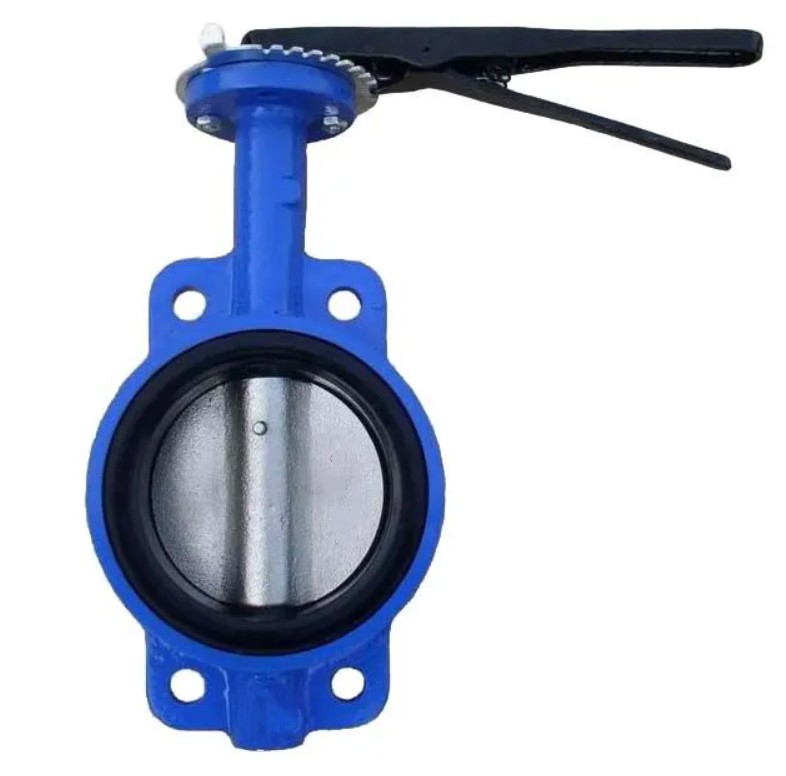
Figure 1: Cross-sectional view illustrating the internal components of a wafer type butterfly valve.
Technical Specifications: D71X-10 10Q 16 16Q Wafer Centerline Butterfly Valve
The D71X-10 10Q 16 16Q Wafer Centerline Butterfly Valve is engineered for a diverse range of industrial applications, providing reliable flow isolation and control. Its robust construction and adherence to international standards ensure consistent performance. Below are key technical parameters and material specifications.
Product Specification Table
| Parameter | Specification / Material Option |
|---|---|
| Nominal Diameter (DN) | DN50 - DN1200 (2" - 48") |
| Pressure Rating | PN10, PN16 (150LB) |
| Body Material | Cast Iron (HT200), Ductile Iron (QT450-10, GGG40, GGG50), Carbon Steel (WCB), Stainless Steel (CF8, CF8M) |
| Disc Material | Ductile Iron (Nickel Plated), Stainless Steel (CF8, CF8M), Aluminum Bronze (C95400) |
| Seat Material | EPDM, NBR, Viton (FKM), PTFE |
| Shaft Material | Stainless Steel (410, 304, 316), Carbon Steel (Galvanized) |
| Operation Type | Lever, Gearbox, Pneumatic Actuator, Electric Actuator |
| Design Standard | API 609, ASME B16.34, EN 593 |
| Face to Face Standard | API 609 Category A, ISO 5752, EN 558 Series 20 |
| Flange Standard | ANSI B16.5, EN 1092, JIS B2220, AS2129 |
| Testing Standard | API 598, ISO 5208, EN 12266-1 |
| Temperature Range | -20°C to +150°C (depending on seat material) |
The design adheres to a centerline configuration, ensuring minimal turbulence and optimal flow characteristics. The availability of various materials for the body, disc, and seat allows for precise tailoring to specific media, pressure, and temperature requirements, making this butterfly wafer type valve highly adaptable.
Application Scenarios and Core Advantages
The versatility and robust performance of the wafer type butterfly valve make it indispensable across a multitude of industrial application scenarios. Its design benefits lend significant technical advantages over other valve types, especially in installations where space and weight are critical factors.
Typical Application Scenarios:
- Water Treatment Plants: Ideal for potable water, wastewater, and industrial water systems due to its excellent sealing capabilities, low-pressure drop, and resistance to corrosion, particularly with EPDM or NBR seats. The D71X-10 is frequently chosen for its reliability in these environments.
- HVAC Systems: Used in heating, ventilation, and air conditioning systems for regulating water flow, thanks to their compact design and ease of automation.
- Chemical Processing: With appropriate material selection (e.g., stainless steel body and disc, PTFE seat), these valves handle corrosive chemicals effectively, offering reliable shut-off.
- Power Generation: Utilized in cooling water lines, flue gas desulfurization (FGD) systems, and general service lines within power plants.
- Mining and Slurry Applications: Specialized designs with abrasion-resistant liners and robust disc materials can manage abrasive media.
- Food & Beverage: Stainless steel variants with hygienic seals are employed for sanitary applications, ensuring product purity.
Technical Advantages:
- Compact Design and Lightweight: The wafer style design facilitates installation between standard pipe flanges without requiring additional body length or complex piping, saving valuable space and reducing overall system weight and installation costs.
- Cost-Effectiveness: Generally more economical than ball or gate valves of similar size and pressure rating, both in initial purchase and installation.
- Excellent Flow Characteristics: The disc rotates within the flow path, creating minimal obstruction when fully open, resulting in a low-pressure drop and high flow coefficient (Cv), leading to energy savings in pumping operations.
- Quick Quarter-Turn Operation: Requires only a 90-degree rotation from fully open to fully closed, allowing for rapid actuation and precise flow modulation when paired with suitable actuators.
- Bi-directional Sealing Capability: Many modern wafer butterfly valves offer reliable bi-directional shut-off, simplifying system design and improving flexibility.
- Wide Material Compatibility: The availability of various body, disc, and seat materials (e.g., cast iron wafer butterfly valve with EPDM seat for water, stainless steel with Viton for chemicals) allows for application-specific configurations to handle diverse media, temperatures, and pressures.
- Low Maintenance: With fewer moving parts compared to some other valve types and often a self-lubricating seat design, maintenance requirements are typically minimal.
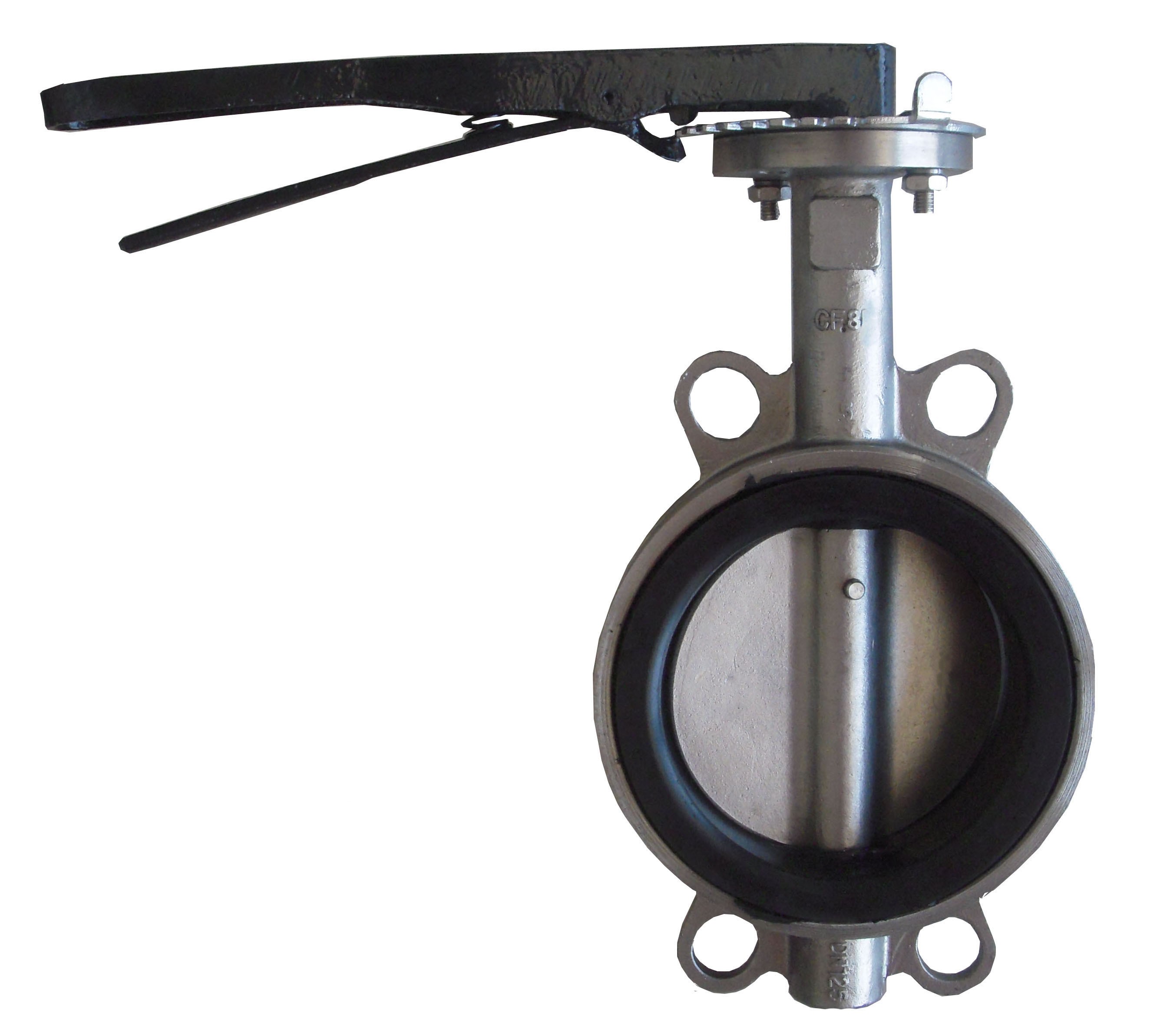
Figure 2: A wafer type butterfly valve installed between pipe flanges, demonstrating its compact footprint.
Vendor Comparison and Strategic Differentiation
Choosing the right supplier for industrial valves, especially for critical components like the butterfly wafer type valve, involves more than just comparing price tags. B2B decision-makers and engineers must evaluate vendors based on a comprehensive set of criteria that ensures long-term performance, reliability, and support.
Key Factors for Vendor Evaluation:
- Quality Assurance & Certifications: Reputable manufacturers adhere to international quality management systems such as ISO 9001. Product-specific certifications (e.g., API 609 for butterfly valves, CE marking, FDA compliance for sanitary applications) are crucial indicators of product quality and safety.
- Material Traceability: The ability to trace raw materials back to their source provides assurance of quality and compliance, particularly important for specialized materials like those used in a high-performance wafer style butterfly valve.
- Technical Expertise & R&D: A vendor with strong engineering capabilities and a commitment to R&D can offer innovative solutions, customized designs, and superior technical support.
- After-Sales Support & Warranty: Comprehensive warranty programs, readily available spare parts, and responsive technical support are essential for minimizing downtime and maximizing the operational life of valves.
- Customer Feedback & Case Studies: Real-world testimonials and detailed application case studies provide tangible proof of a vendor's experience and product performance.
- Years of Service & Industry Reputation: A long-standing presence in the industry and a strong reputation for reliability and customer satisfaction are invaluable.
Product Comparison: Wafer vs. Lug vs. Flanged Butterfly Valves
While all are butterfly valves, their connection types define their application and ease of maintenance.
| Feature | Wafer Type Butterfly Valve | Lug Type Butterfly Valve | Flanged Butterfly Valve |
|---|---|---|---|
| Connection Type | Sandwiched between two pipe flanges (via bolts extending through the valve body). | Threaded inserts (lugs) in the valve body allow bolting to each flange independently. | Integral flanges on the valve body bolt directly to pipe flanges. |
| Installation/Removal | Requires both upstream and downstream piping to be supported or shut down for removal. | Can be removed from one side of the pipeline while the other side remains operational (dead-end service). | Bolts directly, generally easier to align than wafer, but heavier than lug. |
| Weight & Space | Lightest and most compact option. | Slightly heavier and larger than wafer due to lugs. | Heaviest and largest due to integral flanges. |
| Cost | Most economical in terms of initial valve cost. | Mid-range cost. | Highest initial valve cost. |
| Application | General service, isolation, tight shut-off where line shutdown is feasible. | Dead-end service, applications requiring downstream maintenance without full system depressurization. | Heavy-duty applications, large diameters, high pressures, frequent removal. |
HBYs Valves, with its D71X-10 10Q 16 16Q Wafer Centerline Butterfly Valve, demonstrates leadership in the wafer type butterfly valve market by focusing on these core differentiators. Our commitment to ISO-certified manufacturing, use of verifiable material certifications, and extensive network of technical support personnel ensures that clients receive not just a product, but a comprehensive solution backed by decades of industry experience. Our partner clients span various critical sectors, underscoring our authoritative position in industrial valve supply.
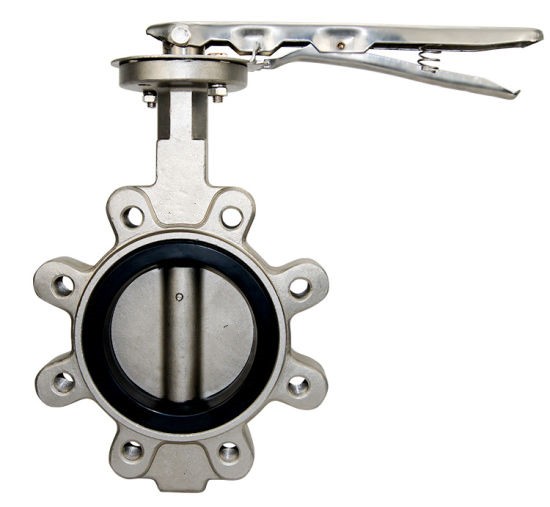
Figure 3: Various operational mechanisms for a wafer type butterfly valve, from manual to automated.
Customized Solutions for Diverse Industrial Needs
While standard configurations of the wafer type butterfly valve meet many industrial requirements, the complexities of modern process environments often necessitate customized solutions. A key strength of an experienced manufacturer is the capability to adapt product designs to unique operational challenges.
Customization options for the D71X-10 10Q 16 16Q Wafer Centerline Butterfly Valve include:
- Specialized Material Combinations: For highly corrosive or abrasive media, specific exotic alloys for the disc or body, or specialized seat materials (e.g., Ultra-High Molecular Weight Polyethylene for extreme abrasion).
- Actuation and Control Systems: Integration with specific pneumatic, electric, or hydraulic actuators, positioners for throttling control, limit switches, or sophisticated control panels to interface with plant DCS (Distributed Control Systems).
- Surface Finishes and Coatings: Internal or external coatings to enhance chemical resistance, reduce friction, or meet specific hygienic standards for industries like pharmaceuticals or food and beverage.
- Cryogenic or High-Temperature Service: Modifications to design and materials to operate reliably in extreme temperature ranges, involving extended bonnets or specific packing materials.
- Fugitive Emissions Control: Enhanced shaft sealing arrangements (e.g., live-loaded packing) to meet stringent environmental regulations regarding volatile organic compound (VOC) emissions.
By collaborating closely with clients, engineers can develop bespoke solutions that precisely match process requirements, ensuring optimal performance and compliance.
Real-World Application Case Studies & Customer Experience
The practical utility and demonstrated performance of the D71X-10 10Q 16 16Q Wafer Centerline Butterfly Valve are best illustrated through real-world applications. These case studies highlight the valve's adaptability and reliability across critical industrial processes.
Case Study 1: Municipal Wastewater Treatment Plant Upgrade
A major municipal wastewater treatment plant faced challenges with outdated gate valves leading to high maintenance costs and inefficient flow control. They required a robust, corrosion-resistant, and easily operable valve for their primary and secondary treatment lines, handling raw sewage and treated effluent.
- Solution: Implementation of DN300 and DN400 D71X-10 wafer type butterfly valve with ductile iron bodies (GGG40), epoxy coating, stainless steel discs (CF8M), and EPDM seats. These were equipped with gear operators for precise manual control.
- Results: The compact design significantly reduced installation time and space requirements. The superior sealing of the EPDM seats minimized leakage, while the corrosion-resistant materials extended the service life beyond previous valves. Operators reported greatly improved ease of operation and reduced torque requirements. "The wafer style valves from HBYs have streamlined our operations and cut down on our annual maintenance budget by 20%," remarked the Plant Manager.
Case Study 2: Chemical Processing Facility – Acid Distribution Lines
A specialty chemical manufacturer required reliable isolation valves for sulfuric acid (H2SO4) distribution lines. The valves needed to withstand aggressive chemical attack while providing safe and positive shut-off.
- Solution: DN150 and DN200 D71X-10 butterfly wafer type valve units were specified with stainless steel bodies (CF8M), Hastelloy C discs for enhanced corrosion resistance, and PTFE seats for chemical inertness. These valves were paired with pneumatic actuators for remote and automated control, improving safety by reducing manual exposure to hazardous media.
- Results: The custom material selection proved highly effective in preventing corrosion and ensuring long-term integrity. The quick-acting pneumatic actuators enabled rapid emergency shut-off, significantly enhancing operational safety. The client praised the exceptional material quality and the responsive technical support during the selection and commissioning phases.
Ensuring Trustworthiness: FAQ, Lead Time, Warranty & Support
Trust is foundational in B2B relationships. Providing clear information on product support, availability, and commitments builds confidence and ensures long-term partnerships.
Frequently Asked Questions (FAQ)
-
Q: How do I select the correct material for my application?
A: Material selection for a wafer style butterfly valve depends heavily on the media (chemical composition, pH), temperature, pressure, and potential for abrasion. Our technical sales team can guide you through this process, often requiring a detailed process data sheet. -
Q: Can a wafer type butterfly valve be used for throttling or flow regulation?
A: Yes, while primarily used for isolation, butterfly valves can be used for throttling. Centerline designs like the D71X-10 offer good flow control characteristics. For precise modulation, we recommend pairing it with a positioner-equipped actuator. -
Q: What are the common causes of leakage in butterfly valves and how are they prevented?
A: Common causes include seat wear, improper installation (e.g., overtightening flange bolts), or chemical incompatibility. Prevention involves correct material selection, adherence to installation guidelines, and regular maintenance. Our valves undergo rigorous seat leakage testing to API 598 standards. -
Q: What is the maintenance schedule for a cast iron wafer butterfly valve?
A: Maintenance schedules vary by application. Generally, regular inspection for external leakage, actuator functionality, and operational smoothness is recommended annually. For critical applications, more frequent checks and potential seat/seal replacement every 3-5 years might be advisable.
Lead Time & Fulfillment Details
Standard D71X-10 wafer type butterfly valve configurations typically have a lead time of 2-4 weeks, depending on quantity and current stock levels. Custom-engineered solutions or valves requiring specialized materials may have longer lead times, usually ranging from 6-10 weeks. We provide transparent communication throughout the order fulfillment process, from order confirmation to shipment tracking.
Warranty Commitments
All D71X-10 10Q 16 16Q Wafer Centerline Butterfly Valves come with a standard 12-month warranty from the date of installation or 18 months from the date of shipment, whichever occurs first. This warranty covers defects in materials and workmanship. Detailed warranty terms and conditions are available upon request.
Customer Support Information
Our dedicated customer support team and technical engineers are available to assist with product selection, technical queries, installation guidance, and troubleshooting.
- Technical Support: [Email Protected], [Phone Number]
- Sales Inquiries: [Sales Email Protected], [Sales Phone Number]
- Operating Hours: Monday - Friday, 8:00 AM - 5:00 PM (GMT+8)
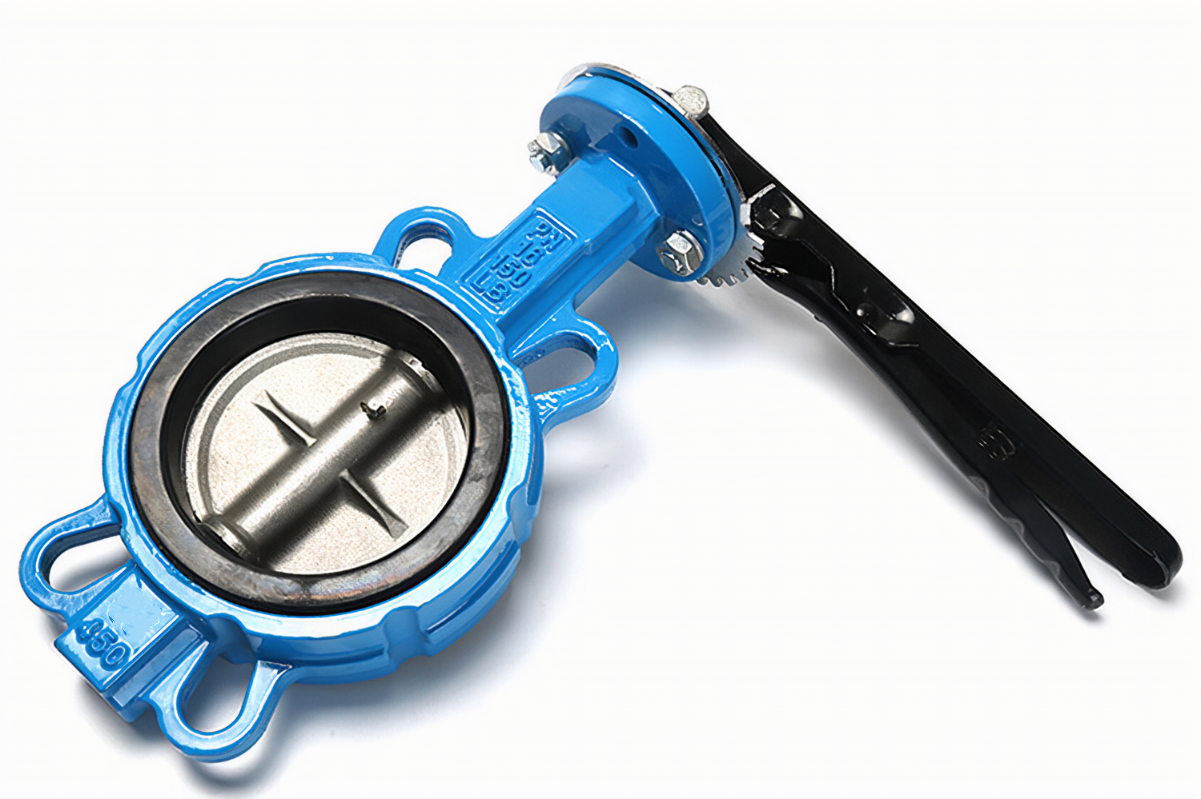
Figure 4: Detailed view of a wafer type butterfly valve with lever operator and flange connection.
Conclusion
The wafer type butterfly valve, particularly advanced models like the D71X-10 10Q 16 16Q Wafer Centerline Butterfly Valve, remains an indispensable component in fluid control systems across diverse industrial sectors. Its inherent advantages in compact design, cost-efficiency, excellent flow characteristics, and adaptability through material customization make it a preferred choice for engineers and procurement specialists. By understanding its detailed manufacturing process, comprehensive technical specifications, and the robust support provided by reputable vendors, industries can confidently leverage this valve technology to enhance operational efficiency, ensure system integrity, and achieve long-term sustainability goals.
References
- American Petroleum Institute (API). API Standard 609: Butterfly Valves: Double Flanged, Lug- and Wafer-Type. Washington, D.C.: API Publishing.
- International Organization for Standardization (ISO). ISO 9001: Quality Management Systems – Requirements. Geneva: ISO Standards.
- European Committee for Standardization (CEN). EN 593: Industrial valves – Metallic butterfly valves. Brussels: CEN.
- Valve Manufacturers Association of America (VMA). Valve Magazine. Industry reports and technical articles.
-
Comprehensive Guide to China Pipe Laterals Fittings for Global Trade ApplicationsFréttirFeb.24,2026
-
China Extended Body Gate Valves A Comprehensive Guide To Selection And ApplicationFréttirFeb.11,2026
-
Comprehensive Guide to China 3 Inch Butterfly Valve Selection and ApplicationsFréttirJan.30,2026
-
Comprehensive Guide to Pipe Adaptors and Fittings for Efficient SystemsFréttirJan.28,2026
-
Comprehensive Guide to Pipe T Fittings for Plumbing and Fluid Transfer SystemsFréttirJan.28,2026
-
Comprehensive Guide to Union Pipe Fitting Selection and ApplicationsFréttirJan.27,2026
-
Comprehensive Guide to China Angle Globe Valves for Industrial ApplicationsFréttirJan.27,2026
 Icelandic
 Afrikaans
  Albanian
  Amharic
  Arabic
  Armenian
  Azerbaijani
  Basque
  Belarusian
  Bengali
  Bosnian
  Bulgarian
  Catalan
  Cebuano
  Croatian
  Czech
Czech  Danish
  Dutch
Dutch  English Esperanto
  Estonian
  Finnish
  French
  Frisian
  Galician
  Georgian
  German
  Greek
Greek  Gujarati
  Hebrew
  Hindi
Hindi  Hungarian
  Indonesian
  Italian
  Japanese
  Kannada
  Kazakh
  Khmer
Khmer  Korean
  Kurdish
  Lao
Lao  Latvian
  Lithuanian
  Macedonian
  Malay
Malay  Malayalam
  Marathi
  Mongolian
  Myanmar
  Nepali
  Norwegian
  Pashto
  Persian
  Polish
  Portuguese
  Panjabi
  Romanian
  Russian
  Scottish Gaelic
  Serbian
  Sinhala
  Slovak
  Slovenian
  Spanish
  Swahili
  Swedish
  Tagalog
  Tamil
Tamil  Tatar
Tatar  Telugu
  Thai
Thai  Turkish
  Ukrainian
  Urdu
Urdu  Uighur
  Uzbek
Uzbek  Vietnamese
  Welsh
Welsh