 86-312-8695888
 86-13722963501
 info@hbysindustry.com
-
 ਅਫਰੀਕੀ
-
 ਅਲਬਾਨੀਅਨ
-
 ਅਮਹਾਰਿਕ
-
 ਅਰਬੀ
ਅਰਬੀ
-
 ਅਰਮੀਨੀਆਈ
-
 ਅਜ਼ਰਬਾਈਜਾਨੀ
-
 ਬਾਸਕ
ਬਾਸਕ
-
 ਬੇਲਾਰੂਸੀ
-
 ਬੰਗਾਲੀ
-
 ਬੋਸਨੀਆਈ
-
 ਬਲਗੇਰੀਅਨ
-
 ਕੈਟਲਨ
ਕੈਟਲਨ
-
 ਸੇਬੁਆਨੋ
-
 ਕੋਰਸਿਕਨ
-
 ਕਰੋਸ਼ੀਅਨ
-
 ਚੈੱਕ
ਚੈੱਕ
-
 ਡੈਨਿਸ਼
-
 ਡੱਚ
ਡੱਚ
-
 ਅੰਗਰੇਜ਼ੀ
-
 ਐਸਪੇਰਾਂਟੋ
-
 ਐਸਟੋਨੀਅਨ
-
 ਫਿਨਿਸ਼
-
 ਫ੍ਰੈਂਚ
-
 ਫ੍ਰੀਜ਼ੀਅਨ
-
 ਗੈਲੀਸ਼ੀਅਨ
-
 ਜਾਰਜੀਅਨ
-
 ਜਰਮਨ
ਜਰਮਨ
-
 ਯੂਨਾਨੀ
-
 ਗੁਜਰਾਤੀ
-
 ਹੈਤੀਆਈ ਕ੍ਰੀਓਲ
-
 ਹਾਉਸਾ
ਹਾਉਸਾ
-
 ਹਵਾਈਅਨ
-
 ਹਿਬਰੂ
ਹਿਬਰੂ
-
 ਨਹੀਂ
ਨਹੀਂ
-
 ਮੀਆਓ
ਮੀਆਓ
-
 ਹੰਗੇਰੀਅਨ
-
 ਆਈਸਲੈਂਡਿਕ
-
 igbo
igbo
-
 ਇੰਡੋਨੇਸ਼ੀਆਈ
-
 ਆਇਰਿਸ਼
-
 ਇਤਾਲਵੀ
-
 ਜਾਪਾਨੀ
-
 ਜਾਵਨੀਜ਼
-
 ਕੰਨੜ
ਕੰਨੜ
-
 ਕਜ਼ਾਖ
ਕਜ਼ਾਖ
-
 ਖਮੇਰ
ਖਮੇਰ
-
 ਰਵਾਂਡਾ
-
 ਕੋਰੀਅਨ
-
 ਕੁਰਦਿਸ਼
-
 ਕਿਰਗਿਜ਼
-
 ਟੀ.ਬੀ
ਟੀ.ਬੀ
-
 ਲਾਤੀਨੀ
-
 ਲਾਤਵੀਅਨ
-
 ਲਿਥੁਆਨੀਅਨ
-
 ਲਕਸਮਬਰਗਿਸ਼
-
 ਮੈਸੇਡੋਨੀਅਨ
-
 ਮਾਲਗਾਸ਼ੀ
-
 ਮਾਲੇ
ਮਾਲੇ
-
 ਮਲਿਆਲਮ
-
 ਮਾਲਟੀਜ਼
-
 ਮਾਓਰੀ
ਮਾਓਰੀ
-
 ਮਰਾਠੀ
ਮਰਾਠੀ
-
 ਮੰਗੋਲੀਆਈ
-
 ਮਿਆਂਮਾਰ
-
 ਨੇਪਾਲੀ
-
 ਨਾਰਵੇਜਿਅਨ
-
 ਨਾਰਵੇਜਿਅਨ
-
 ਆਕਸੀਟਨ
-
 ਪਸ਼ਤੋ
ਪਸ਼ਤੋ
-
 ਫਾਰਸੀ
ਫਾਰਸੀ
-
 ਪੋਲਿਸ਼
-
 ਪੁਰਤਗਾਲੀ
-
 ਪੰਜਾਬੀ
-
 ਰੋਮਾਨੀਅਨ
-
 ਰੂਸੀ
ਰੂਸੀ
-
 ਸਮੋਆਨ
ਸਮੋਆਨ
-
 ਸਕਾਟਿਸ਼ ਗੇਲਿਕ
-
 ਸਰਬੀਆਈ
-
 ਅੰਗਰੇਜ਼ੀ
-
 ਸ਼ੋਨਾ
ਸ਼ੋਨਾ
-
 ਸਿੰਧੀ
ਸਿੰਧੀ
-
 ਸਿੰਹਾਲਾ
-
 ਸਲੋਵਾਕ
-
 ਸਲੋਵੇਨੀਆਈ
-
 ਸੋਮਾਲੀ
-
 ਸਪੇਨੀ
ਸਪੇਨੀ
-
 ਸੁੰਡਨੀਜ਼
-
 ਸਵਾਹਿਲੀ
-
 ਸਵੀਡਿਸ਼
-
 ਤਾਗਾਲੋਗ
-
 ਤਾਜਿਕ
ਤਾਜਿਕ
-
 ਤਾਮਿਲ
ਤਾਮਿਲ
-
 ਤਾਤਾਰ
ਤਾਤਾਰ
-
 ਤੇਲਗੂ
ਤੇਲਗੂ
-
 ਥਾਈ
ਥਾਈ
-
 ਤੁਰਕੀ
ਤੁਰਕੀ
-
 ਤੁਰਕਮੇਨ
-
 ਯੂਕਰੇਨੀ
-
 ਉਰਦੂ
ਉਰਦੂ
-
 ਉਈਗਰ
ਉਈਗਰ
-
 ਉਜ਼ਬੇਕ
-
 ਵੀਅਤਨਾਮੀ
-
 ਵੈਲਸ਼
ਵੈਲਸ਼
-
 ਮਦਦ ਕਰੋ
-
 ਯਿੱਦੀ
ਯਿੱਦੀ
-
 ਯੋਰੂਬਾ
-
 ਜ਼ੁਲੂ
ਜ਼ੁਲੂ


Buy WCB Gate Valve: Robust & Reliable Industrial Solution
Introduction to WCB Gate Valves: A Critical Component in Industrial Flow Control
In the complex world of industrial fluid handling, reliable and efficient valve technology is paramount. Among the diverse range of valves, the wcb gate valve stands as a cornerstone, particularly in sectors demanding robustness, excellent flow characteristics, and dependable shut-off capabilities. WCB refers to a cast carbon steel material, specifically designated as ASTM A216 Grade WCB, which is widely recognized for its strength, weldability, and suitability for applications involving moderate to high pressures and temperatures. This material makes WCB gate valves ideal for a vast array of general industrial services.
Gate valves, by design, are multi-turn valves that use a rigid gate, or wedge, to block or allow the flow of fluid. They are primarily used for on/off service, meaning they are intended to be operated either fully open or fully closed. Unlike globe valves, they offer minimal pressure drop when fully open, making them highly efficient for systems where continuous, unobstructed flow is critical. The robust construction afforded by WCB material ensures these valves can withstand significant operational stresses, providing longevity and reducing maintenance frequency in demanding environments. This article delves into the intricacies of WCB gate valves, exploring their technical specifications, manufacturing processes, application diversity, and the compelling advantages they offer to industrial operators.
Understanding the WCB Material and Its Properties
The "WCB" designation in a wcb gate valve refers to a specific grade of cast carbon steel, adhering to the ASTM A216 standard. This material is chosen for its excellent balance of mechanical properties, making it highly suitable for pressure-containing parts in valves and other components for high-temperature service where fusion welding is employed. Key characteristics include:
- Chemical Composition: WCB typically contains carbon (0.30% max), manganese (1.00% max), silicon (0.60% max), and controlled amounts of sulfur and phosphorus. These elements contribute to its strength and weldability.
- Mechanical Properties: It boasts a minimum tensile strength of 70 ksi (485 MPa) and a minimum yield strength of 36 ksi (250 MPa). Its elongation is typically around 22%, indicating good ductility.
- Temperature Range: WCB is generally suitable for services from -20°F (-29°C) to 800°F (425°C). For applications requiring lower temperatures, alternative materials like LCB or LCC (low-temperature carbon steel) would be specified. For higher temperatures, chrome-molybdenum steels are used.
- Corrosion Resistance: While carbon steel is susceptible to general corrosion in highly oxidative or acidic environments, WCB provides adequate resistance for many non-corrosive fluid applications, such as water, oil, and gas. For corrosive media, stainless steel or other alloys are preferred.
The robust nature of WCB steel ensures that the valve body and bonnet can withstand the internal pressures and external stresses inherent in pipeline operations, contributing significantly to the overall service life and reliability of the wcb gate valve.
Manufacturing Process of WCB Gate Valves
The production of a high-quality wcb gate valve is a meticulous process involving several critical stages, each contributing to the valve's structural integrity, performance, and longevity. Adherence to international standards like ISO and ANSI is crucial throughout. The typical manufacturing flow includes:
1. Material Selection & Preparation
- Raw Material Sourcing: High-grade WCB steel ingots or billets are procured from certified suppliers. Rigorous material verification, including chemical analysis and mechanical testing, is performed to ensure compliance with ASTM A216 WCB specifications.
- Pattern Making: For casting, precise patterns representing the valve body, bonnet, and wedge are created using CAD/CAM software and then manufactured from wood, metal, or resin.
2. Forming Processes: Casting or Forging
The primary method for forming the main valve components (body and bonnet) is either casting or, for smaller, higher-pressure applications, forging.
- Casting: Molten WCB steel is poured into sand molds. After solidification, the castings are removed, and gates, risers, and flashes are trimmed. This method is economical for complex shapes and larger valve sizes.
- Forging: Steel billets are heated to a plastic state and then shaped using hammers or presses. Forging results in a finer grain structure, enhancing strength and toughness, often preferred for critical service conditions.
3. Heat Treatment
Cast or forged components undergo heat treatment (e.g., normalizing and tempering) to relieve internal stresses, refine grain structure, and achieve optimal mechanical properties like hardness and ductility, which are crucial for the valve's operational integrity.
4. CNC Machining
Advanced CNC (Computer Numerical Control) machining centers are used to achieve the precise dimensions and surface finishes required for all valve components. This includes:
- Machining of valve seats for perfect sealing.
- Boring of the body for stem passage.
- Flange facing and drilling to ensure proper pipeline connection.
- Precision machining of the wedge, stem, and gland parts.
5. Assembly
Components such as the body, bonnet, wedge, stem, packing, gland, handwheel, and fasteners are meticulously assembled in a clean environment. Lubrication of moving parts is applied to ensure smooth operation.
6. Testing and Quality Assurance
Every wcb gate valve undergoes rigorous testing to comply with international standards such as API 598 (Valve Inspection and Testing), ISO 5208 (Industrial valves – Pressure testing of metallic valves), and ANSI/ASME B16.34 (Valves—Flanged, Threaded, and Welding End). Key tests include:
- Hydrostatic Shell Test: Checks the pressure-retaining capability of the valve body and bonnet.
- High-Pressure Back Seat Test: Verifies the integrity of the stem backseat.
- Low-Pressure Air Seat Test: Ensures bubble-tight shutoff at lower pressures.
- Visual Inspection: Checks for surface defects, correct markings, and overall finish.
- Dimensional Inspection: Confirms adherence to design specifications.
This comprehensive testing regime ensures that each valve meets stringent performance and safety requirements, guaranteeing a long service life of 20+ years under specified operating conditions, thereby demonstrating advantages in typical application scenarios such as energy saving through minimal pressure drop, and corrosion resistance for compatible media.
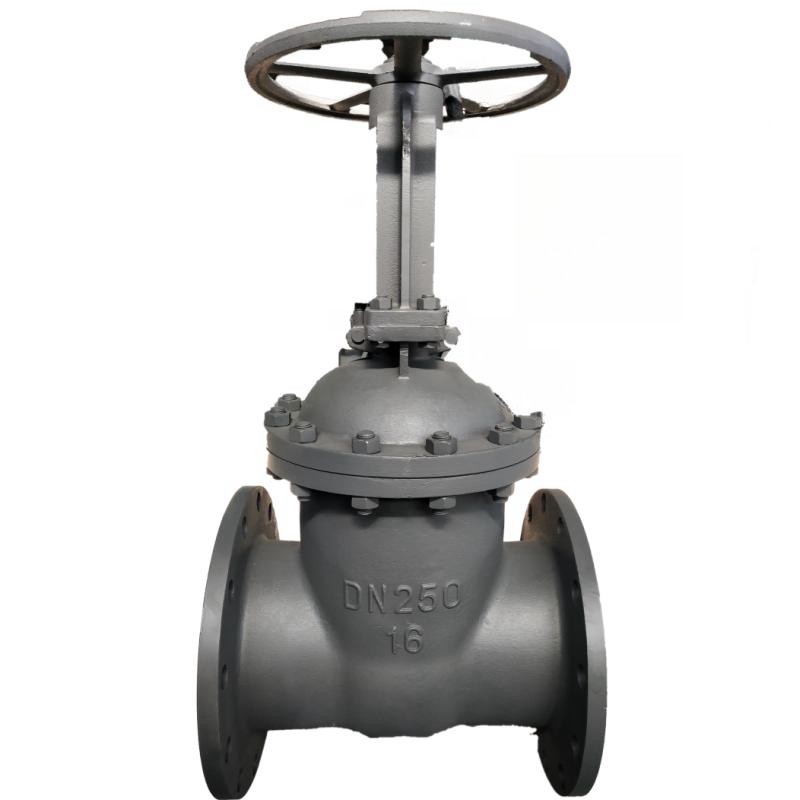
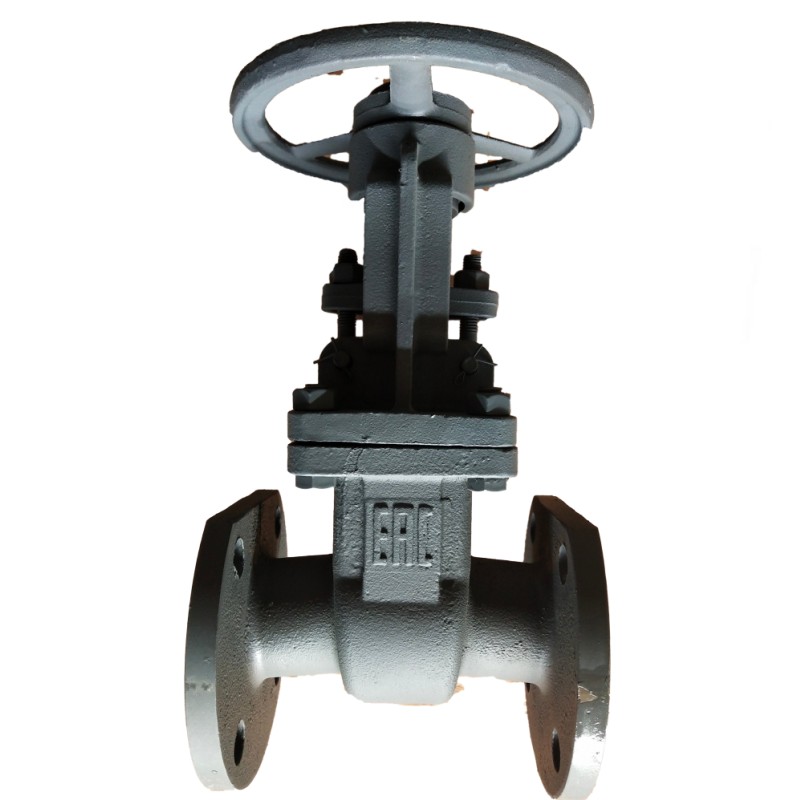
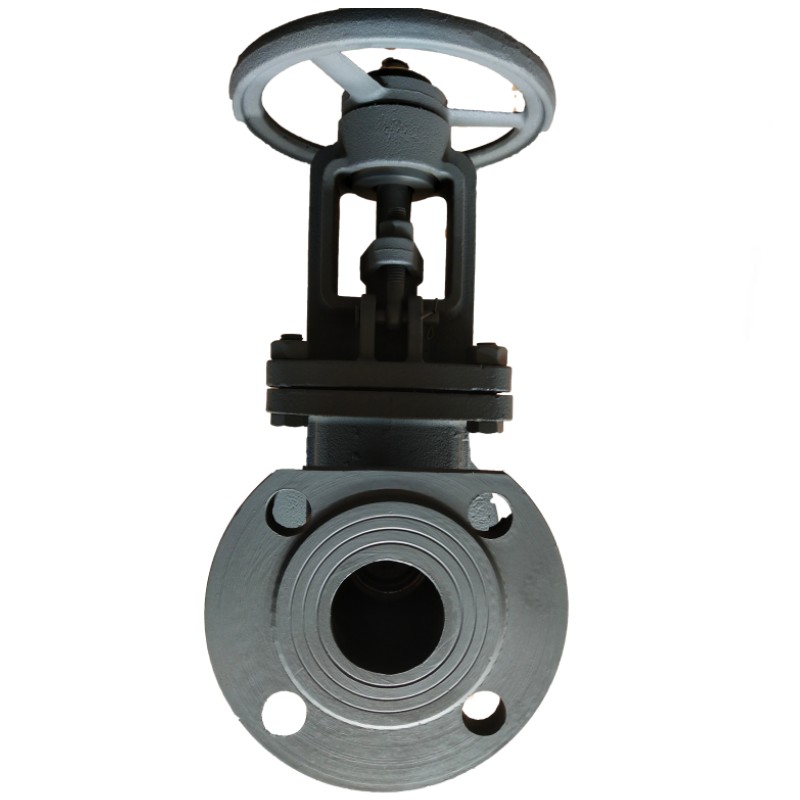
Technical Specifications and Parameters: Z41H-16C Gost Light Type Steel Gate Valve Example
To illustrate the robust engineering behind a wcb gate valve, let's examine the typical specifications of a Z41H-16C Gost Light Type Steel Gate Valve, representative of the high-quality industrial valves available. These parameters are crucial for engineers and procurement specialists to ensure compatibility and optimal performance within their specific systems.
Product Specification Table: Z41H-16C Gost Light Type Steel Gate Valve
The robust construction and adherence to international standards ensure that the Z41H-16C and similar wcb gate valve models deliver consistent performance, critical for maintaining operational integrity and safety in demanding industrial applications. The "light type" designation often implies optimized material usage without compromising structural integrity for specific pressure classes, contributing to cost-effectiveness and ease of installation.
Application Scenarios and Target Industries
The versatility and reliability of the wcb gate valve make it indispensable across a multitude of industries. Its on/off functionality, coupled with minimal pressure drop in the fully open position, positions it as a preferred choice for applications where flow regulation is not required, but positive shut-off and unimpeded flow are critical. Target industries include:
- Petrochemical Industry: Used extensively in oil and gas pipelines, refineries, and chemical processing plants for handling crude oil, natural gas, refined products, and various hydrocarbons. Their robust design handles high pressures and temperatures characteristic of these operations.
- Power Generation: Critical in thermal power plants for steam, feedwater, and cooling water systems. The ability to withstand high temperatures and pressures is crucial for operational safety and efficiency.
- Water Supply and Drainage: Essential for municipal water treatment facilities, pumping stations, and large-scale irrigation systems. Their durability and reliable shut-off prevent water wastage and enable efficient maintenance.
- Metallurgy and Mining: Employed in processes involving slurry, abrasive media, and high-temperature fluids. The valve's sturdy construction is vital in these harsh environments.
- HVAC Systems: Used in large commercial and industrial heating, ventilation, and air conditioning systems for isolating sections of fluid lines.
In these scenarios, the key advantages include energy saving through minimal pressure drop when fully open, reducing pumping costs. Furthermore, for applications with non-corrosive industrial fluids, the inherent corrosion resistance of WCB material ensures longevity, even under fluctuating temperatures and pressures.
Key Technical Advantages of WCB Gate Valves
Beyond their broad applicability, wcb gate valve designs offer distinct technical advantages that contribute to their widespread adoption:
- Minimal Pressure Drop: When fully open, the gate valve's wedge is completely removed from the flow path, resulting in a full bore and negligible resistance to flow. This translates to very low pressure drop, which significantly reduces energy consumption for pumping and contributes to operational efficiency.
- Tight Shut-Off Capability: While not designed for throttling, a properly maintained gate valve provides a bubble-tight seal in the fully closed position, ensuring reliable isolation of fluid lines for maintenance or process control.
- Robust Construction: Made from WCB cast carbon steel, these valves are inherently strong and durable, capable of withstanding high pressures, temperatures, and external stresses without deformation or failure. This robustness ensures a long operational life.
- Bidirectional Flow: Gate valves can typically be installed in any direction within the pipeline without affecting their performance, offering flexibility in system design.
- Versatile Sealing Options: Available with various wedge designs (solid, flexible, split) and seat materials, allowing customization for different sealing requirements and fluid characteristics. For instance, hard-faced seats (e.g., Stellite) are often used for abrasive services.
Industry Trends in Valve Technology
The industrial valve sector, including the market for the wcb gate valve, is continually evolving to meet increasing demands for efficiency, safety, and environmental compliance. Several key trends are shaping the future of valve technology:
- Digitalization and Smart Valves: Integration of sensors, actuators, and communication protocols (e.g., HART, Foundation Fieldbus) enables real-time monitoring, predictive maintenance, and remote control. This enhances operational efficiency and reduces downtime.
- Emphasis on Fugitive Emissions Control: Stricter environmental regulations, particularly for industries handling hazardous or greenhouse gases, are driving the development of valves with enhanced stem sealing technologies (e.g., bellows seal gate valves, improved packing designs) to minimize fugitive emissions.
- Advanced Materials and Coatings: Research into new alloys, ceramic coatings, and surface treatments aims to improve corrosion, erosion, and wear resistance, extending valve life in aggressive media and high-temperature services.
- Lightweight and Compact Designs: While maintaining structural integrity, manufacturers are optimizing designs to reduce weight and footprint, leading to easier installation, lower shipping costs, and better use of space in complex piping layouts.
- Sustainable Manufacturing Practices: Increased focus on energy-efficient production processes, waste reduction, and the use of recyclable materials aligns with global sustainability goals.
Vendor Comparison and Selection Criteria
Selecting the right vendor for wcb gate valve procurement is a strategic decision that impacts operational reliability, maintenance costs, and overall project success. Key factors for comparison include:
Vendor Comparison Table (Illustrative)
It is imperative for buyers to evaluate not only the initial cost but also the long-term total cost of ownership, which includes factors like reliability, maintenance, spare parts availability, and responsiveness of technical support. Partnerships with companies holding comprehensive certifications and a proven track record (e.g., 20+ years of industry experience) underscore authoritativeness and trustworthiness.
Customized Solutions for Specific Applications
While standard wcb gate valve models serve a wide range of applications, many industrial processes demand highly specialized valve configurations. Professional manufacturers excel in providing customized solutions, tailoring designs to meet unique operational challenges. This includes modifications to:
- Material Upgrades: For enhanced corrosion resistance, internal components might be specified in stainless steel (e.g., SS316, Duplex) or special alloys. Hardfacing with Stellite or similar materials is common for seat and wedge surfaces in abrasive or erosive services.
- End Connections: While flanged connections are standard, custom end connections like butt-weld, socket-weld, or specific flange facings (e.g., RTJ) can be provided to integrate seamlessly with existing piping infrastructure.
- Actuation Methods: Beyond manual handwheel operation, customized solutions often involve integration with electric, pneumatic, or hydraulic actuators for remote control, automation, or higher torque requirements.
- Bonnet Designs: For cryogenic or high-temperature applications, extended bonnets or bellows seal bonnets can be engineered to protect stem packing from extreme temperatures and prevent fugitive emissions.
- Special Coatings: Internal or external coatings for specific environmental protection, such as epoxy coatings for buried service or specialized linings for chemical resistance.
These customized solutions are developed through close collaboration between the client's engineering team and the valve manufacturer's experts, ensuring that the final product precisely matches the process requirements and adheres to relevant industry standards and certifications (e.g., NACE for sour service, FDA for food-grade applications).
Real-World Application Case Studies
The practical application of wcb gate valve technology demonstrates its critical role in ensuring operational success across various industrial sectors. Here are illustrative case studies:
Case Study 1: Large-Scale Oil & Gas Pipeline Isolation
- Client: Major international energy corporation.
- Challenge: Need for reliable, high-pressure isolation valves (DN500, PN2.5 MPa) for critical sections of a crude oil transmission pipeline in a remote, harsh environment. The valves had to withstand significant temperature fluctuations (-10°C to 70°C) and ensure zero leakage for safety and environmental compliance.
- Solution: Supplied custom-fabricated WCB gate valves with API 6D certification, featuring a through-conduit slab gate design for full bore, bi-directional flow, and piggability. The valves were equipped with gear operators for easy manual actuation and special anti-corrosion coatings for external protection.
- Result: The valves have performed flawlessly for over five years, providing secure isolation during maintenance and emergency shutdowns without any reported leakage incidents. The minimal pressure drop contributed to consistent pipeline flow rates and optimized pumping energy consumption.
Case Study 2: Municipal Water Treatment Plant Upgrade
- Client: Regional municipal water authority.
- Challenge: Replacing aging and leaking isolation valves in a critical raw water intake system and distribution network. The new valves needed to be durable, offer excellent shut-off, and be suitable for potable water applications, adhering to relevant public health standards.
- Solution: Provided a series of WCB gate valves (DN200 to DN400, PN1.6 MPa) with internal epoxy coatings compliant with drinking water standards. The valves featured resilient seated wedges for enhanced bubble-tight sealing and were supplied with non-rising stems for compact installation in valve chambers.
- Result: The upgrade significantly improved the plant's operational efficiency by eliminating water leakage and reducing unscheduled maintenance. The robust WCB construction, combined with specialized internal coatings, ensured long-term reliability and compliance with health regulations, leading to substantial savings in water loss and maintenance costs.
Frequently Asked Questions (FAQ) about WCB Gate Valves
Q1: What does WCB stand for in a gate valve?
A1: WCB is a material designation under ASTM A216, referring to a cast carbon steel suitable for fusion welding and high-temperature service. It signifies that the valve body and bonnet are constructed from this specific grade of carbon steel, known for its strength and reliability in general industrial applications.
Q2: Can WCB gate valves be used for throttling or flow regulation?
A2: No, wcb gate valves are designed primarily for on/off service. Using them in a partially open (throttling) position can lead to significant wear on the seat and disc due to high-velocity fluid flow impinging on a small area, causing erosion and cavitation. This can quickly damage the valve and compromise its ability to provide a tight shut-off.
Q3: What are the typical pressure and temperature limits for a WCB gate valve?
A3: Typically, a WCB gate valve can operate from approximately -29°C (-20°F) to 425°C (800°F). Pressure ratings vary widely based on the valve's class (e.g., Class 150, 300, 600, etc.), ranging from PN1.6 MPa (232 psi) up to PN10.0 MPa (1450 psi) or higher. Specific pressure-temperature ratings should always be confirmed from the manufacturer's documentation and relevant ASME B16.34 tables.
Q4: Are WCB gate valves suitable for corrosive media?
A4: Standard WCB carbon steel is generally suitable for non-corrosive fluids like water, oil, and natural gas. For corrosive media, it is usually not the primary choice. Stainless steel, duplex stainless steel, or other exotic alloys are typically required for such applications. However, WCB valves can sometimes be adapted for mildly corrosive services with specialized internal coatings or linings, but this requires careful engineering assessment.
Lead Time, Warranty & Customer Support
As a commitment to trustworthiness and customer satisfaction, reputable suppliers of wcb gate valves offer clear policies on lead times, comprehensive warranties, and responsive after-sales support:
- Lead Time: Standard orders for common sizes and configurations typically have a lead time of 4-6 weeks from order confirmation to shipment. Customized valves or large-quantity orders may require 8-12 weeks or more, depending on complexity and material availability. Expedited options are often available for urgent requirements.
- Warranty Commitment: A standard warranty typically covers manufacturing defects and material failures for a period of 12 to 24 months from the date of shipment or 18 months from installation, whichever comes first. This commitment underscores confidence in product quality and adherence to strict manufacturing standards.
- Customer Support: Comprehensive after-sales support includes technical assistance, troubleshooting guidance, and availability of genuine spare parts. Dedicated service teams are crucial for minimizing downtime and ensuring the long-term optimal performance of the installed valves.
Partnerships with manufacturers who provide robust support frameworks, including extensive documentation, maintenance guidelines, and global service networks, are invaluable for ensuring the longevity and efficient operation of industrial fluid control systems.
Conclusion
The wcb gate valve remains a vital component in modern industrial infrastructure, offering a dependable and efficient solution for on/off fluid control. Its inherent robust material (ASTM A216 WCB), coupled with meticulous manufacturing processes and adherence to international standards, ensures high performance and a long service life across diverse and demanding applications from petrochemical to water treatment. As industries continue to evolve, embracing trends like digitalization and enhanced environmental controls, the fundamental reliability and technical advantages of WCB gate valves will continue to secure their indispensable position in fluid management systems worldwide. Strategic selection, leveraging reputable vendors, and considering customized solutions are key to maximizing their value and ensuring operational excellence.
References
- American Society of Mechanical Engineers. ASME B16.34: Valves—Flanged, Threaded, and Welding End.
- American Petroleum Institute. API 598: Valve Inspection and Testing.
- American Society for Testing and Materials. ASTM A216/A216M: Standard Specification for Steel Castings, Carbon, Suitable for Fusion Welding, for High-Temperature Service.
- International Organization for Standardization. ISO 5208: Industrial valves – Pressure testing of metallic valves.
- Valve Manufacturers Association of America (VMA). www.vma.org
-
Comprehensive Guide to China Pipe Laterals Fittings for Global Trade Applicationsਖ਼ਬਰਾਂFeb.24,2026
-
China Extended Body Gate Valves A Comprehensive Guide To Selection And Applicationਖ਼ਬਰਾਂFeb.11,2026
-
Comprehensive Guide to China 3 Inch Butterfly Valve Selection and Applicationsਖ਼ਬਰਾਂJan.30,2026
-
Comprehensive Guide to Pipe Adaptors and Fittings for Efficient Systemsਖ਼ਬਰਾਂJan.28,2026
-
Comprehensive Guide to Pipe T Fittings for Plumbing and Fluid Transfer Systemsਖ਼ਬਰਾਂJan.28,2026
-
Comprehensive Guide to Union Pipe Fitting Selection and Applicationsਖ਼ਬਰਾਂJan.27,2026
-
Comprehensive Guide to China Angle Globe Valves for Industrial Applicationsਖ਼ਬਰਾਂJan.27,2026
 Panjabi
 Afrikaans
  Albanian
  Amharic
  Arabic
  Armenian
  Azerbaijani
  Basque
  Belarusian
  Bengali
  Bosnian
  Bulgarian
  Catalan
  Cebuano
  Croatian
  Czech
Czech  Danish
  Dutch
Dutch  English Esperanto
  Estonian
  Finnish
  French
  Frisian
  Galician
  Georgian
  German
  Greek
Greek  Gujarati
  Hebrew
  Hindi
Hindi  Hungarian
  Icelandic
  Indonesian
  Italian
  Japanese
  Kannada
  Kazakh
  Khmer
Khmer  Korean
  Kurdish
  Lao
Lao  Latvian
  Lithuanian
  Macedonian
  Malay
Malay  Malayalam
  Marathi
  Mongolian
  Myanmar
  Nepali
  Norwegian
  Pashto
  Persian
  Polish
  Portuguese
  Romanian
  Russian
  Scottish Gaelic
  Serbian
  Sinhala
  Slovak
  Slovenian
  Spanish
  Swahili
  Swedish
  Tagalog
  Tamil
Tamil  Tatar
Tatar  Telugu
  Thai
Thai  Turkish
  Ukrainian
  Urdu
Urdu  Uighur
  Uzbek
Uzbek  Vietnamese
  Welsh
Welsh