 86-312-8695888
 86-13722963501
 info@hbysindustry.com
-
 African
-
 Albaniano
-
 Amharic
-
 Arabic
-
 Armenian
-
 Azerbaijani
-
 Basque
-
 Belarusian
-
 Bengali
-
 Bosnian
-
 Bulgarian
-
 Catalan
-
 Cebuano
-
 Corsican
-
 Croatian
-
 Czech
Czech
-
 Danish
-
 Dutch
Dutch
-
 Ingles
-
 Esperanto
-
 Estonian
-
 Finnish
-
 Pranses
-
 Frisian
-
 Galician
-
 Georgian
-
 Aleman
-
 Griyego
-
 Gujarati
-
 Haitian Creole
-
 hausa
hausa
-
 hawaiian
-
 Hebrew
-
 Hindi
Hindi
-
 Miao
Miao
-
 Hungarian
-
 Icelandic
-
 igbo
igbo
-
 Indonesian
-
 irish
irish
-
 Italyano
-
 Hapon
Hapon
-
 Javanese
-
 Kannada
-
 kazakh
-
 Khmer
Khmer
-
 Rwandan
-
 Koreano
-
 Kurdish
-
 Kyrgyz
-
 TB
TB
-
 Latin
Latin
-
 Latvian
-
 Lithuanian
-
 Luxembourgish
-
 Macedonian
-
 Malgashi
-
 Malay
Malay
-
 Malayalam
-
 Maltese
-
 Maori
Maori
-
 Marathi
-
 Mongolian
-
 Myanmar
-
 Nepali
-
 Norwegian
-
 Norwegian
-
 Occitan
-
 Pashto
-
 Persian
-
 Polish
-
 Portuges
-
 Punjabi
-
 Romanian
-
 Ruso
Ruso
-
 Samoan
-
 Scottish Gaelic
-
 Serbian
-
 Ingles
-
 Shona
Shona
-
 Sindhi
-
 Sinhala
-
 Slovak
-
 Slovenian
-
 Somali
-
 Espanyol
-
 Sundanese
-
 Swahili
-
 Swedish
-
 Tagalog
-
 Tajik
Tajik
-
 Tamil
Tamil
-
 Tatar
Tatar
-
 Telugu
-
 Thai
Thai
-
 Turkish
-
 Turkmen
-
 Ukrainian
-
 Urdu
Urdu
-
 Uighur
-
 Uzbek
Uzbek
-
 Vietnamese
-
 Welsh
Welsh
-
 Tulong
-
 Yiddish
-
 Yoruba
-
 Zulu
Zulu


Engineered for Precision: Why the Stainless Ball Valve Sets a New Standard
In industrial fluid control, reliability and longevity aren’t just features—they’re necessities. Whether it's a high-pressure chemical pipeline or a sanitary system in food processing, the stainless ball valve continues to prove itself as the gold standard for sealing integrity, corrosion resistance, and operational efficiency. As more industries transition to sustainable and performance-driven infrastructure, this valve stands out as a premium solution engineered for precision.
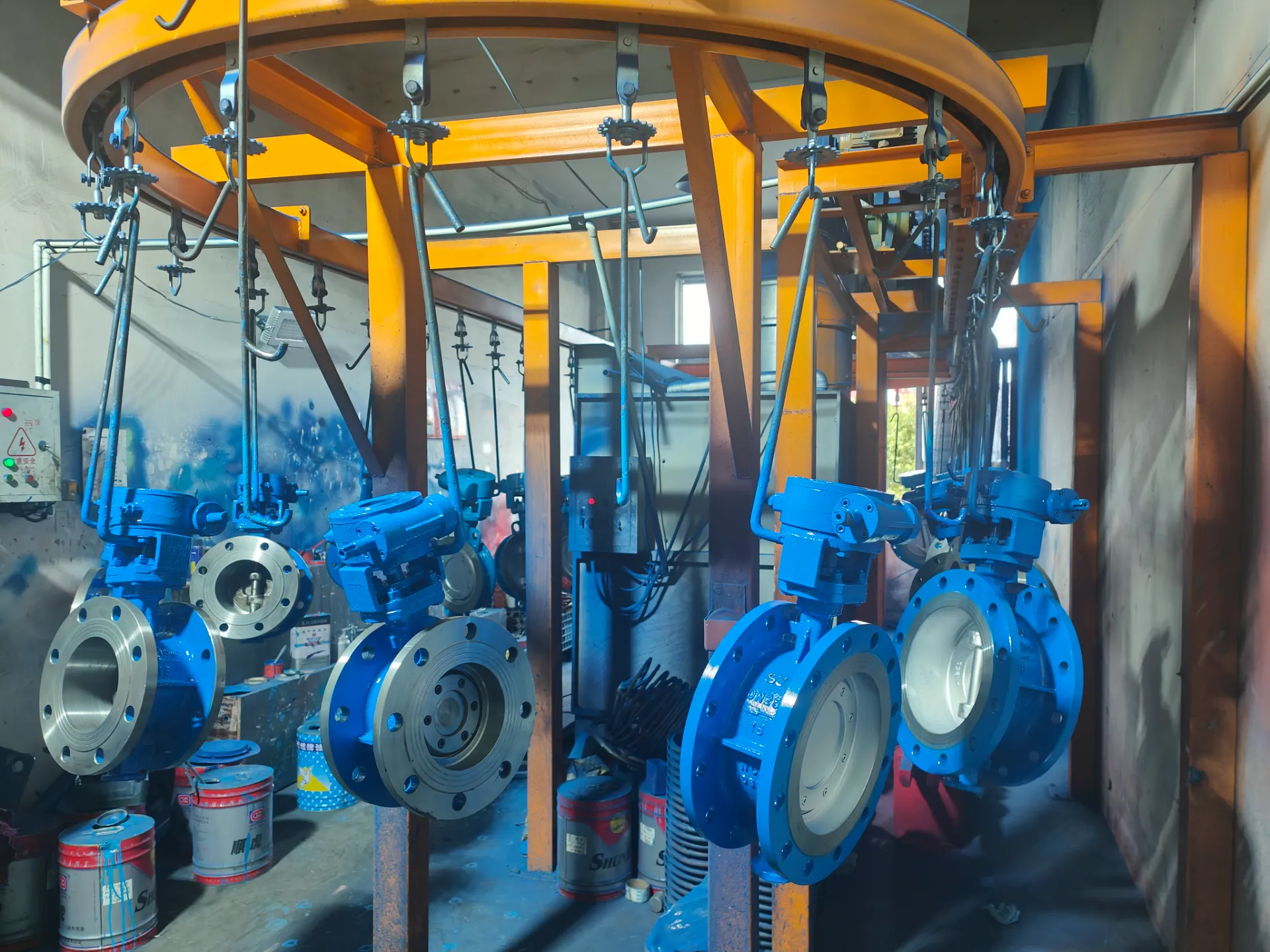
Why the Stainless Ball Valve Excels in Sealing Performance
A standout feature of the stainless ball valve is its superior sealing capability. Compared to globe valves, gate valves, or butterfly valves, the ball valve mechanism offers near-zero leakage with minimal torque effort. This is due to its design: a floating or trunnion-mounted ball rotates within the valve body, pressed against the seat to form a tight seal.
The non-linear contact between the ball and the seat enables uniform pressure distribution, enhancing the sealing even in low-pressure systems. Moreover, the stainless steel material ensures the sealing surfaces are resistant to corrosion, pitting, or surface degradation—issues that often compromise the performance of conventional carbon steel valves over time.
This advantage becomes even more evident in harsh media such as seawater, acidic compounds, or high-temperature steam. In these environments, the stainless ball valve maintains its sealing performance longer than other materials, ensuring fewer shutdowns and reduced maintenance costs.
Stainless Ball Valve:The Importance of Seat and Ball Material Selection
The choice of valve seat and ball materials can significantly impact how the stainless ball valve performs under different conditions. Seats are commonly made of PTFE, reinforced TFM, PEEK, or metal. Each has its own application range—PTFE is ideal for general-purpose use, while metal seats are selected for extreme temperatures and abrasive flow.
As for the ball itself, using high-quality stainless steel ensures resistance to wear and tear, especially in dynamic or corrosive environments. Unlike regular carbon steel balls, stainless balls retain their dimensional accuracy, offering consistent rotation and better seal life.
Manufacturers often offer variations like the 1 2 stainless steel ball valve, which is favored in residential, laboratory, and small-scale industrial settings. This compact valve provides the same sealing precision and corrosion resistance in a smaller footprint, without compromising flow efficiency.
For industries seeking reliability across varying media types, selecting the right combination of ball and seat materials is key—and this is where trusted stainless steel ball valve manufacturers come in, offering customizable configurations for specific operating conditions.
Stainless Ball Valvevs. Ordinary Steel: What Sets Them Apart
The performance difference between a stainless ball valve and an ordinary steel ball valve is not simply about price—it’s about long-term durability and safety. Stainless steel offers significantly better resistance to corrosion, making it ideal for applications in water treatment, oil refining, chemical manufacturing, and even food processing.
Ordinary steel valves may initially cost less, but they tend to suffer from oxidation, scale formation, and surface fatigue over time, especially when exposed to moisture or chemicals. This leads to early failure, frequent replacements, and unexpected downtime.
In contrast, the stainless ball valve resists such degradation, ensuring longer service life and consistent operation even under high-stress conditions. Furthermore, the aesthetic finish and structural integrity of stainless steel enable it to meet stringent hygienic and quality standards across various industries.
The growing demand for sustainable and low-maintenance solutions has also led to a rise in high-quality stainless steel ball valve manufacturers who prioritize material sourcing, machining precision, and post-production testing.
Evaluating the True Value: Understanding the Stainless Steel Ball Valve Price
When considering the stainless steel ball valve price, it's essential to look beyond the sticker. While it may seem higher than alternatives made from PVC or carbon steel, the return on investment is substantial.
Firstly, the extended lifecycle of stainless valves reduces the frequency of replacements. Secondly, their resistance to environmental and chemical stressors lowers the risk of unplanned maintenance. Thirdly, the versatility of these valves—accommodating various fluids, gases, and operating pressures—means fewer valve types are needed for system compatibility.
Moreover, global stainless steel ball valve manufacturers are now offering smart pricing strategies, bulk order discounts, and customization options that make this premium solution more accessible than ever. With advancements in automated production and material science, the cost of owning a stainless ball valve has decreased while its performance and durability continue to rise.
The Compact Workhorse: Spotlight on the 1 2 Stainless Steel Ball Valve
Among all configurations, the 1 2 stainless steel ball valve remains a favorite in applications that demand tight space and reliable shut-off. Whether it's in laboratory setups, home water filtration systems, or pilot plants, this small but powerful valve offers the same high-grade sealing, corrosion resistance, and ease of operation as its full-sized counterparts.
Its compact body doesn't compromise on strength—crafted from 304 or 316 stainless steel, the valve maintains structural integrity even under moderate pressure and temperature conditions. The precision-milled ball and low-friction seats ensure smooth operation, making it a dependable choice for tight control applications.
As more engineers and procurement teams look for reliable, space-saving valve solutions, this model has become a bestseller among reputable stainless steel ball valve manufacturers globally.
Stainless Ball Valve FAQs
Is the sealing performance of the stainless ball valve better than other types?
Yes. Thanks to its spherical sealing surface and tight ball-seat engagement, the stainless ball valve offers superior sealing compared to gate, globe, or butterfly valves.
What determines the lifespan of a stainless ball valve?
The seat material, ball quality, and frequency of operation. High-quality materials like stainless steel for the ball and PEEK or TFM for the seat extend the valve’s usable life.
Why choose a 1 2 stainless steel ball valve over a larger valve?
Its compact size makes it ideal for confined spaces and applications that require low to moderate flow rates, without sacrificing the sealing performance of a full-sized stainless ball valve.
How is a stainless ball valve better than an ordinary steel ball valve?
It offers better corrosion resistance, longer service life, and consistent performance in extreme conditions where ordinary steel valves would fail prematurely.
What factors affect the stainless steel ball valve price?
Material grade (304 vs. 316), size, pressure class, seat type, and custom features such as actuation or limit switches all influence the stainless steel ball valve price.
-
Comprehensive Guide to China Pipe Laterals Fittings for Global Trade ApplicationsBalitaFeb.24,2026
-
China Extended Body Gate Valves A Comprehensive Guide To Selection And ApplicationBalitaFeb.11,2026
-
Comprehensive Guide to China 3 Inch Butterfly Valve Selection and ApplicationsBalitaJan.30,2026
-
Comprehensive Guide to Pipe Adaptors and Fittings for Efficient SystemsBalitaJan.28,2026
-
Comprehensive Guide to Pipe T Fittings for Plumbing and Fluid Transfer SystemsBalitaJan.28,2026
-
Comprehensive Guide to Union Pipe Fitting Selection and ApplicationsBalitaJan.27,2026
-
Comprehensive Guide to China Angle Globe Valves for Industrial ApplicationsBalitaJan.27,2026
 Tagalog
 Afrikaans
  Albanian
  Amharic
  Arabic
  Armenian
  Azerbaijani
  Basque
  Belarusian
  Bengali
  Bosnian
  Bulgarian
  Catalan
  Cebuano
  Croatian
  Czech
Czech  Danish
  Dutch
Dutch  English Esperanto
  Estonian
  Finnish
  French
  Frisian
  Galician
  Georgian
  German
  Greek
Greek  Gujarati
  Hebrew
  Hindi
Hindi  Hungarian
  Icelandic
  Indonesian
  Italian
  Japanese
  Kannada
  Kazakh
  Khmer
Khmer  Korean
  Kurdish
  Lao
Lao  Latvian
  Lithuanian
  Macedonian
  Malay
Malay  Malayalam
  Marathi
  Mongolian
  Myanmar
  Nepali
  Norwegian
  Pashto
  Persian
  Polish
  Portuguese
  Panjabi
  Romanian
  Russian
  Scottish Gaelic
  Serbian
  Sinhala
  Slovak
  Slovenian
  Spanish
  Swahili
  Swedish
  Tamil
Tamil  Tatar
Tatar  Telugu
  Thai
Thai  Turkish
  Ukrainian
  Urdu
Urdu  Uighur
  Uzbek
Uzbek  Vietnamese
  Welsh
Welsh