 86-312-8695888
 86-13722963501
 info@hbysindustry.com
-
 Afrika
-
 bahasa Albania
-
 Amharik
-
 Arab
Arab
-
 orang Armenia
-
 Azerbaijan
-
 Basque
-
 Belarusia
-
 Benggala
-
 Bosnia
-
 Bulgaria
-
 Katalan
-
 Cebuano
-
 Korsika
-
 Kroasia
-
 Ceko
Ceko
-
 Orang Denmark
-
 Belanda
-
 Bahasa inggris
-
 Esperanto
-
 Estonia
-
 Finlandia
-
 Perancis
-
 Frisian
-
 Galisia
-
 orang Georgia
-
 Jerman
-
 Orang yunani
-
 Gujarati
-
 Kreol Haiti
-
 hausa
hausa
-
 Hawaii
-
 Ibrani
-
 Tidak
Tidak
-
 Miao
Miao
-
 Hongaria
-
 Islandia
-
 igbo
igbo
-
 bahasa Indonesia
-
 orang Irlandia
-
 Italia
-
 Jepang
-
 Jawa
Jawa
-
 Kannada
-
 kazakh
-
 Khmer
Khmer
-
 Rwanda
-
 Korea
Korea
-
 Kurdi
Kurdi
-
 Kirgistan
-
 TBC
TBC
-
 Latin
Latin
-
 Latvia
-
 Lithuania
-
 Luksemburg
-
 Makedonia
-
 Malgashi
-
 Melayu
-
 Malayalam
-
 Malta
Malta
-
 Maori
Maori
-
 Marathi
-
 Mongolia
-
 Myanmar
-
 Nepal
Nepal
-
 Norwegia
-
 Norwegia
-
 Occitan
-
 Pashto
-
 Orang Persia
-
 Polandia
-
 Portugis
-
 Punjabi
-
 Rumania
-
 Rusia
Rusia
-
 Samoa
Samoa
-
 Gaelik Skotlandia
-
 Orang Serbia
-
 Bahasa inggris
-
 Shona
Shona
-
 Sindhi
-
 Sinhala
-
 Orang Slovakia
-
 Slovenia
-
 Somalia
-
 Orang Spanyol
-
 Sunda
Sunda
-
 Swahili
-
 Orang Swedia
-
 Tagalog
-
 Tajik
Tajik
-
 Tamil
Tamil
-
 Tatar
Tatar
-
 Telugu
-
 Thai
Thai
-
 Turki
Turki
-
 orang Turkmenistan
-
 Orang Ukraina
-
 Urdu
Urdu
-
 Uighur
-
 Uzbek
Uzbek
-
 Orang Vietnam
-
 Welsh
Welsh
-
 Membantu
-
 Yiddi
Yiddi
-
 Yoruba
-
 Zulu
Zulu


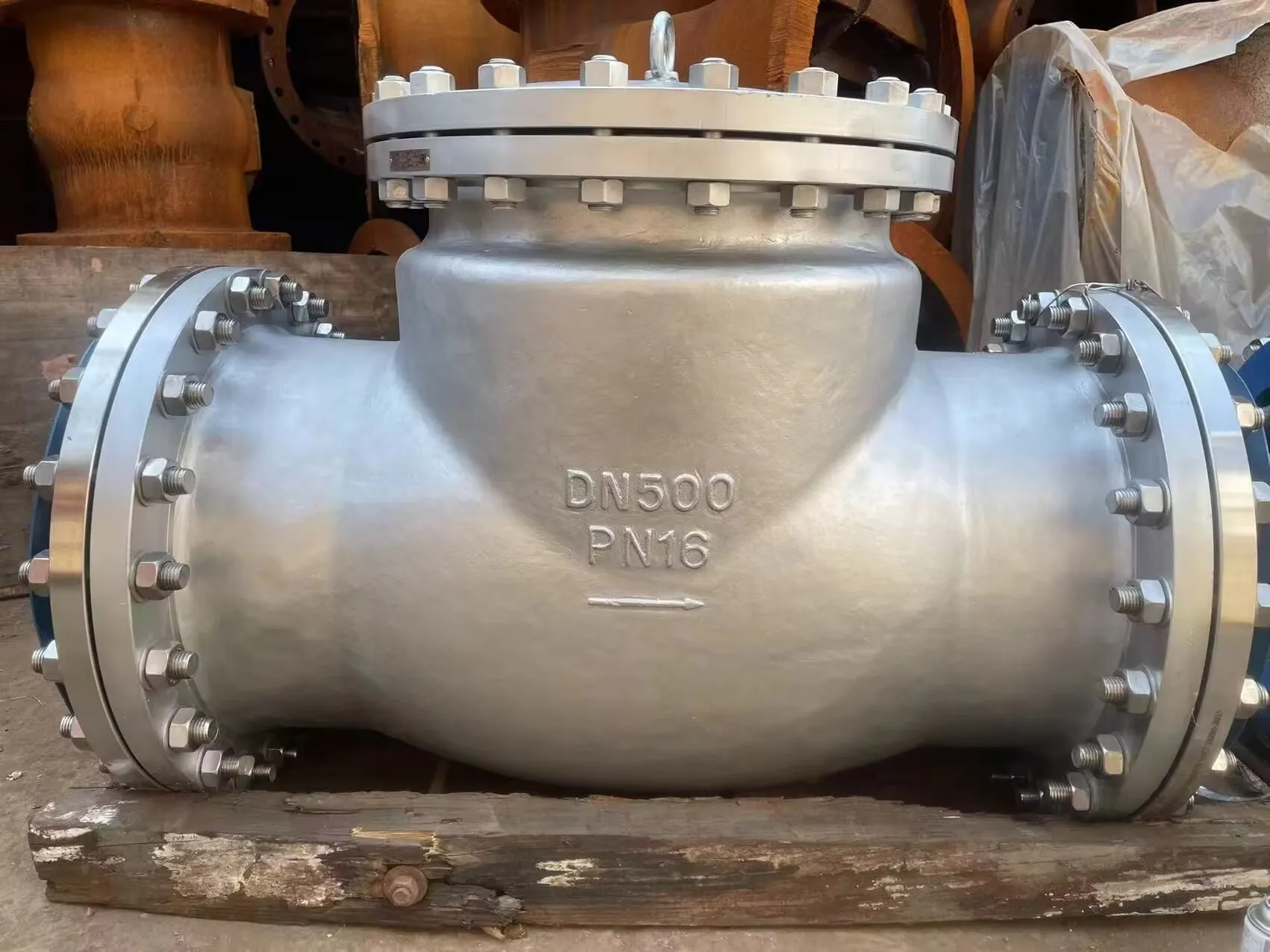
Check Valve: Key Components in Fluid Control
Check valve, Also known as a check valve or check valve, it is an important fluid control component whose core function is to allow one-way fluid flow while effectively preventing backflow. This seemingly simple mechanism plays a crucial role in various industrial applications, daily life, and medical equipment, ensuring the safe and stable operation of the system and preventing potential damage.
The working principle of check valve is based on differential pressure drive
When the fluid flows in a specific direction (usually forward), the fluid pressure overcomes the spring or gravity inside the valve, opening the valve channel and allowing the fluid to pass smoothly. On the contrary, when the fluid attempts to flow in the opposite direction, the reverse pressure will actually assist in closing the valve and prevent the fluid from flowing back. This automated control mechanism does not require external power sources or manual intervention, making it highly reliable and user-friendly.
Check valve has a wide and diverse range of applications
In water treatment systems, the check valve for drain line is used to prevent water from flowing back into the pipeline after the water pump stops working, avoiding the occurrence of water hammer effects and thus protecting the safety of the water pump and pipeline system. In the chemical industry, check valves are used to prevent backflow during the mixing process of different chemicals, ensuring the accuracy and safety of the reaction. In medical devices such as infusion pumps or ventilators, check valves are responsible for ensuring one-way flow of fluids or gases to prevent patients from being at risk of cross infection. In addition, check valves play an important role in gas pipelines, automotive braking systems, and HVAC systems.
There are various design forms for check valves, including swing, lift, butterfly, etc. Each design is suitable for different working conditions and fluid media
The rotary check valve for sewage pump is suitable for low flow velocity and large diameter pipelines, characterized by low fluid resistance; The lifting check valve is suitable for high flow rate and small-diameter pipelines, and its characteristic is good sealing performance; The butterfly check valve is suitable for large-diameter and low-pressure working conditions, characterized by a compact structure and low cost. Choosing the appropriate type of check valve requires comprehensive consideration of factors such as pipeline diameter, fluid medium, pressure range, operating temperature, and flow rate.
In summary, the check valve for water pump, as a key component in fluid control, plays an irreplaceable role in various fields due to its simple structure, reliable operation, and wide application. Its mechanism of allowing fluid to flow in one direction while preventing backflow not only ensures the safe and stable operation of the system, but also effectively avoids potential damage and risks. With the continuous development of technology, the design and materials of check valve for well pumps are also constantly advancing, and will play a more important role in the field of fluid control in the future.
Check Valve FAQs
What is a check valve?
A check valve is a type of valve used to prevent fluid backflow. It relies on the pressure of the fluid itself to automatically open, and when the fluid flows in the opposite direction, the valve automatically closes. Check valves do not require external operation and belong to automatic valves.
What are the main advantages of check valves?
Preventing backflow: effectively preventing fluid from flowing in the opposite direction, protecting equipment and pipelines.
Automatic operation: relying on fluid pressure to automatically open and close without manual intervention.
Simple structure: simple design and easy maintenance.
Wide applicability: can be used for various media such as liquids, gases, and slurries.
What are the disadvantages of check valves?
Cannot regulate flow: Check valves can only be used to prevent backflow and cannot be used to regulate flow.
Possible water hammer phenomenon: In some cases, rapid shutdown may cause water hammer phenomenon and damage the pipeline.
Limited sealing performance: Some types of check valves may not seal tightly under low pressure.
What are the main application areas of check valves?
Check valves are widely used in the following fields:
Water supply and drainage system: prevent water backflow.
Oil and gas industry: used to prevent medium backflow in pipelines.
Chemical industry: used for controlling corrosive media.
Electric power industry: used for boiler feedwater system and cooling water system.
Heating, Ventilation, and Air Conditioning (HVAC) system: prevents backflow of air or water.
What are the common types of check valves?
According to their structure and working principle, check valves are mainly divided into the following types:
Lift check valve: The valve disc moves up and down along the center line of the valve body, suitable for horizontal pipeline installation.
Swing check valve: The valve disc rotates around the axis outside the valve seat, suitable for large-diameter pipelines.
Butterfly check valve: Adopting a butterfly plate structure, it opens and closes quickly, suitable for low-pressure applications.
Ball check valve: using a ball as the valve disc, suitable for small-diameter pipelines.
Double plate check valve: using two semi-circular valve discs, suitable for preventing water hammer phenomenon.
-
Comprehensive Guide to China Pipe Laterals Fittings for Global Trade ApplicationsBeritaFeb.24,2026
-
China Extended Body Gate Valves A Comprehensive Guide To Selection And ApplicationBeritaFeb.11,2026
-
Comprehensive Guide to China 3 Inch Butterfly Valve Selection and ApplicationsBeritaJan.30,2026
-
Comprehensive Guide to Pipe Adaptors and Fittings for Efficient SystemsBeritaJan.28,2026
-
Comprehensive Guide to Pipe T Fittings for Plumbing and Fluid Transfer SystemsBeritaJan.28,2026
-
Comprehensive Guide to Union Pipe Fitting Selection and ApplicationsBeritaJan.27,2026
-
Comprehensive Guide to China Angle Globe Valves for Industrial ApplicationsBeritaJan.27,2026
 Indonesian
 Afrikaans
  Albanian
  Amharic
  Arabic
  Armenian
  Azerbaijani
  Basque
  Belarusian
  Bengali
  Bosnian
  Bulgarian
  Catalan
  Cebuano
  Croatian
  Czech
Czech  Danish
  Dutch
Dutch  English Esperanto
  Estonian
  Finnish
  French
  Frisian
  Galician
  Georgian
  German
  Greek
Greek  Gujarati
  Hebrew
  Hindi
Hindi  Hungarian
  Icelandic
  Italian
  Japanese
  Kannada
  Kazakh
  Khmer
Khmer  Korean
  Kurdish
  Lao
Lao  Latvian
  Lithuanian
  Macedonian
  Malay
Malay  Malayalam
  Marathi
  Mongolian
  Myanmar
  Nepali
  Norwegian
  Pashto
  Persian
  Polish
  Portuguese
  Panjabi
  Romanian
  Russian
  Scottish Gaelic
  Serbian
  Sinhala
  Slovak
  Slovenian
  Spanish
  Swahili
  Swedish
  Tagalog
  Tamil
Tamil  Tatar
Tatar  Telugu
  Thai
Thai  Turkish
  Ukrainian
  Urdu
Urdu  Uighur
  Uzbek
Uzbek  Vietnamese
  Welsh
Welsh