


 bahasa Indonesia
 Afrika
 bahasa Albania
 Amharik
 Arab
Arab
 orang Armenia
 Azerbaijan
 Basque
 Belarusia
 Benggala
 Bosnia
 Bulgaria
 Katalan
 Cebuano
 Korsika
 Kroasia
 Ceko
Ceko
 Orang Denmark
 Belanda
 Bahasa inggris
 Esperanto
 Estonia
 Finlandia
 Perancis
 Frisian
 Galisia
 orang Georgia
 Jerman
 Orang yunani
 Gujarati
 Kreol Haiti
 hausa
hausa
 Hawaii
 Ibrani
 Tidak
Tidak
 Miao
Miao
 Hongaria
 Islandia
 igbo
igbo
 orang Irlandia
 Italia
 Jepang
 Jawa
Jawa
 Kannada
 kazakh
 Khmer
Khmer
 Rwanda
 Korea
Korea
 Kurdi
Kurdi
 Kirgistan
 TBC
TBC
 Latin
Latin
 Latvia
 Lithuania
 Luksemburg
 Makedonia
 Malgashi
 Melayu
 Malayalam
 Malta
Malta
 Maori
Maori
 Marathi
 Mongolia
 Myanmar
 Nepal
Nepal
 Norwegia
 Norwegia
 Occitan
 Pashto
 Orang Persia
 Polandia
 Portugis
 Punjabi
 Rumania
 Rusia
Rusia
 Samoa
Samoa
 Gaelik Skotlandia
 Orang Serbia
 Bahasa inggris
 Shona
Shona
 Sindhi
 Sinhala
 Orang Slovakia
 Slovenia
 Somalia
 Orang Spanyol
 Sunda
Sunda
 Swahili
 Orang Swedia
 Tagalog
 Tajik
Tajik
 Tamil
Tamil
 Tatar
Tatar
 Telugu
 Thai
Thai
 Turki
Turki
 orang Turkmenistan
 Orang Ukraina
 Urdu
Urdu
 Uighur
 Uzbek
Uzbek
 Orang Vietnam
 Welsh
Welsh
 Membantu
 Yiddi
Yiddi
 Yoruba
 Zulu
Zulu


Blind valves, also known as blanking valves, are used to close off the flow of fluid in a pipeline. They are typically installed at the end of a line or at a specific point in the system where temporary isolation or closure is required. Blind valves are designed to provide a tight seal to prevent the flow of fluid, and they are available in various types, including bolted bonnet, pressure seal, and welded bonnet designs, to accommodate different pressure and temperature requirements. These valves are commonly used during maintenance, repair, or testing of the pipeline system, as well as for isolating sections of the pipeline for safety or operational reasons. The selection of blind valves depends on factors such as the type of fluid, pressure rating, temperature range, and the specific application within the pipeline system. Proper installation and maintenance of blind valves are essential to ensure reliable and safe operation, as well as to prevent leakage and potential hazards within the pipeline.
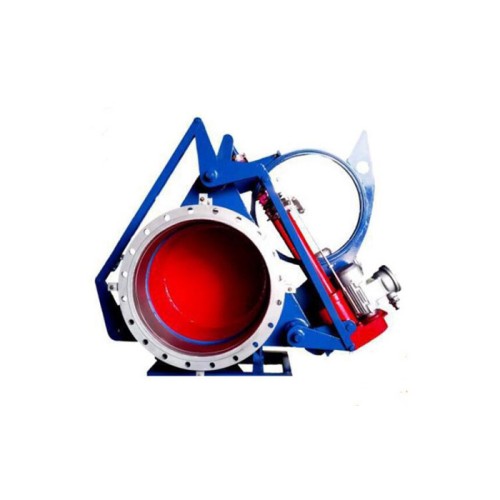

Why Use Spectacle Blind Instead Of Valve?
Spectacle blinds are used in piping systems for the purpose of temporarily closing off a pipe or isolating a section of the pipeline. They consist of two metal discs connected by a section of metal, resembling a pair of spectacles, hence the name. The main advantage of using spectacle blinds instead of valves for isolation is that they provide a more secure and reliable closure. When a spectacle blind is installed, it completely blocks the flow of fluid, ensuring a tight seal and preventing any leakage. In contrast, valves, even when fully closed, may still allow a small amount of fluid to pass through, which can be undesirable in certain situations, such as during maintenance or repair activities. Additionally, spectacle blinds are often used in applications where the pipeline needs to be completely sealed off for an extended period, and where the use of a valve may not provide the level of security and isolation required. Overall, the decision to use a spectacle blind instead of a valve depends on the specific needs of the piping system, the level of isolation required, and the nature of the fluid being transported.












































































