


 Azərbaycan
 afrikalı
 alban
alban
 amhar
amhar
 ərəb
ərəb
 erməni
 bask dili
 belarus
 benqal dili
 bosniyalı
 bolqar
 katalan dili
 Cebuano
 korsika
 xorvat
 çex
çex
 danimarka
 holland
 İngilis dili
 esperanto
 eston
eston
 fin
fin
 Fransız dili
 friz dili
 qalisian
 gürcü
gürcü
 alman
alman
 yunan
yunan
 qucarat dili
 Haiti Kreol
 hausa
hausa
 havaylı
 ivrit
ivrit
 Xeyr
Xeyr
 Miao
Miao
 macar
macar
 island
 igbo
igbo
 indoneziya dili
 irland
 italyan
 yapon
yapon
 yava dili
 Kannada
 qazax
qazax
 kxmer
kxmer
 Ruanda
 koreyalı
 kürd
kürd
 qırğız
 Vərəm
Vərəm
 latın
latın
 latış
latış
 litva
litva
 Lüksemburq
 makedon
 Malqaşi
 malay
malay
 malayalam
 maltalı
 maori
maori
 marati dili
 monqol
 Myanma
 nepal dili
 norveçli
 norveçli
 oksitan
 puştu
puştu
 fars
fars
 polyak
 portuqal
 pəncab dili
 rumın
rumın
 rus
rus
 samoa
samoa
 Şotlandiya Qael dili
 serb
serb
 İngilis dili
 Şona
Şona
 sindhi
 Sinhala
 slovak
 sloven
 Somali
 ispan dili
 sundan
 suahili
 isveçli
 taqaloq
 tacik
tacik
 tamil
tamil
 tatar
tatar
 teluqu dili
 Tay
Tay
 türk
türk
 türkmən
 ukraynalı
 Urdu
Urdu
 uyğur
uyğur
 özbək
özbək
 vyetnamlı
 uels
uels
 Kömək edin
 yəhudi dili
 yoruba
 Zulu
Zulu


Blind valves, also known as blanking valves, are used to close off the flow of fluid in a pipeline. They are typically installed at the end of a line or at a specific point in the system where temporary isolation or closure is required. Blind valves are designed to provide a tight seal to prevent the flow of fluid, and they are available in various types, including bolted bonnet, pressure seal, and welded bonnet designs, to accommodate different pressure and temperature requirements. These valves are commonly used during maintenance, repair, or testing of the pipeline system, as well as for isolating sections of the pipeline for safety or operational reasons. The selection of blind valves depends on factors such as the type of fluid, pressure rating, temperature range, and the specific application within the pipeline system. Proper installation and maintenance of blind valves are essential to ensure reliable and safe operation, as well as to prevent leakage and potential hazards within the pipeline.
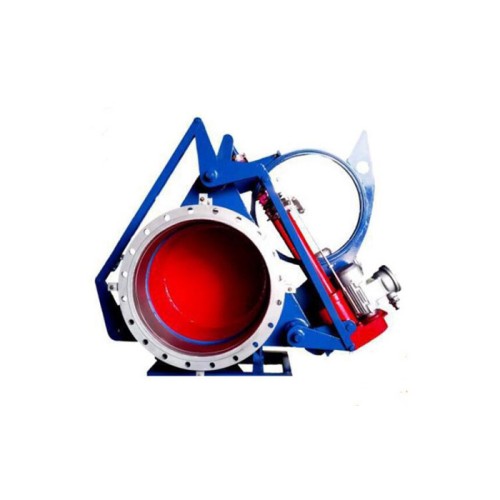

Why Use Spectacle Blind Instead Of Valve?
Spectacle blinds are used in piping systems for the purpose of temporarily closing off a pipe or isolating a section of the pipeline. They consist of two metal discs connected by a section of metal, resembling a pair of spectacles, hence the name. The main advantage of using spectacle blinds instead of valves for isolation is that they provide a more secure and reliable closure. When a spectacle blind is installed, it completely blocks the flow of fluid, ensuring a tight seal and preventing any leakage. In contrast, valves, even when fully closed, may still allow a small amount of fluid to pass through, which can be undesirable in certain situations, such as during maintenance or repair activities. Additionally, spectacle blinds are often used in applications where the pipeline needs to be completely sealed off for an extended period, and where the use of a valve may not provide the level of security and isolation required. Overall, the decision to use a spectacle blind instead of a valve depends on the specific needs of the piping system, the level of isolation required, and the nature of the fluid being transported.












































































