


 o'zbek
 afrikalik
 alban
alban
 Amhar
Amhar
 arabcha
 arman
arman
 ozarbayjon
 bask
bask
 belarus
 bengal
 bosniyalik
 bolgar
 katalon
 Sebuano
 Korsika
 xorvat
 chex
chex
 Daniya
 golland
 Ingliz
 Esperanto
 eston
eston
 fin
fin
 frantsuz
 frizcha
 Galisian
 gruzin
 nemis
nemis
 yunoncha
 Gujarati
 Gaiti kreoli
 hausa
hausa
 gavayilik
 ibroniy
 yoq
yoq
 Miao
Miao
 venger
 island
 igbo
igbo
 indonez
 irland
 italyancha
 yapon
yapon
 yava
yava
 Kannada
 qozoq
qozoq
 kxmer
kxmer
 Ruanda
 koreys
 kurd
kurd
 qirg'iz
 sil kasalligi
 lotin
lotin
 latviyalik
 litva
litva
 Lyuksemburgcha
 makedon
 Malgashi
 malay
malay
 Malayalam
 malta
malta
 maori
maori
 marati
 mo'g'ul
 Myanma
 Nepal
Nepal
 norveg
 norveg
 oksitan
 Pushtu
 forscha
 polyak
 portugal
 panjob
 rumin
rumin
 rus
rus
 Samoa
Samoa
 Shotlandiya gael tili
 serb
serb
 Ingliz
 Shona
Shona
 Sindhi
 Sinhala
 slovak
 sloven
 Somali
 ispancha
 sundan
 suahili
 shvedcha
 Tagalog
 tojik
tojik
 Tamil
Tamil
 tatar
tatar
 Telugu
 tay
tay
 turkcha
 turkman
 ukrain
 urdu
urdu
 uyg'ur
 Vetnam
 uels
uels
 Yordam
 Yahudiy
 Yoruba
 Zulu
Zulu


Blind valves, also known as blanking valves, are used to close off the flow of fluid in a pipeline. They are typically installed at the end of a line or at a specific point in the system where temporary isolation or closure is required. Blind valves are designed to provide a tight seal to prevent the flow of fluid, and they are available in various types, including bolted bonnet, pressure seal, and welded bonnet designs, to accommodate different pressure and temperature requirements. These valves are commonly used during maintenance, repair, or testing of the pipeline system, as well as for isolating sections of the pipeline for safety or operational reasons. The selection of blind valves depends on factors such as the type of fluid, pressure rating, temperature range, and the specific application within the pipeline system. Proper installation and maintenance of blind valves are essential to ensure reliable and safe operation, as well as to prevent leakage and potential hazards within the pipeline.
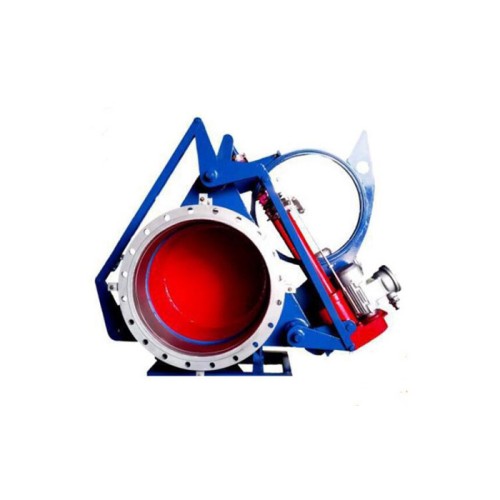

Why Use Spectacle Blind Instead Of Valve?
Spectacle blinds are used in piping systems for the purpose of temporarily closing off a pipe or isolating a section of the pipeline. They consist of two metal discs connected by a section of metal, resembling a pair of spectacles, hence the name. The main advantage of using spectacle blinds instead of valves for isolation is that they provide a more secure and reliable closure. When a spectacle blind is installed, it completely blocks the flow of fluid, ensuring a tight seal and preventing any leakage. In contrast, valves, even when fully closed, may still allow a small amount of fluid to pass through, which can be undesirable in certain situations, such as during maintenance or repair activities. Additionally, spectacle blinds are often used in applications where the pipeline needs to be completely sealed off for an extended period, and where the use of a valve may not provide the level of security and isolation required. Overall, the decision to use a spectacle blind instead of a valve depends on the specific needs of the piping system, the level of isolation required, and the nature of the fluid being transported.












































































