


 o'zbek
 afrikalik
 alban
alban
 Amhar
Amhar
 arabcha
 arman
arman
 ozarbayjon
 bask
bask
 belarus
 bengal
 bosniyalik
 bolgar
 katalon
 Sebuano
 Korsika
 xorvat
 chex
chex
 Daniya
 golland
 Ingliz
 Esperanto
 eston
eston
 fin
fin
 frantsuz
 frizcha
 Galisian
 gruzin
 nemis
nemis
 yunoncha
 Gujarati
 Gaiti kreoli
 hausa
hausa
 gavayilik
 ibroniy
 yoq
yoq
 Miao
Miao
 venger
 island
 igbo
igbo
 indonez
 irland
 italyancha
 yapon
yapon
 yava
yava
 Kannada
 qozoq
qozoq
 kxmer
kxmer
 Ruanda
 koreys
 kurd
kurd
 qirg'iz
 sil kasalligi
 lotin
lotin
 latviyalik
 litva
litva
 Lyuksemburgcha
 makedon
 Malgashi
 malay
malay
 Malayalam
 malta
malta
 maori
maori
 marati
 mo'g'ul
 Myanma
 Nepal
Nepal
 norveg
 norveg
 oksitan
 Pushtu
 forscha
 polyak
 portugal
 panjob
 rumin
rumin
 rus
rus
 Samoa
Samoa
 Shotlandiya gael tili
 serb
serb
 Ingliz
 Shona
Shona
 Sindhi
 Sinhala
 slovak
 sloven
 Somali
 ispancha
 sundan
 suahili
 shvedcha
 Tagalog
 tojik
tojik
 Tamil
Tamil
 tatar
tatar
 Telugu
 tay
tay
 turkcha
 turkman
 ukrain
 urdu
urdu
 uyg'ur
 Vetnam
 uels
uels
 Yordam
 Yahudiy
 Yoruba
 Zulu
Zulu


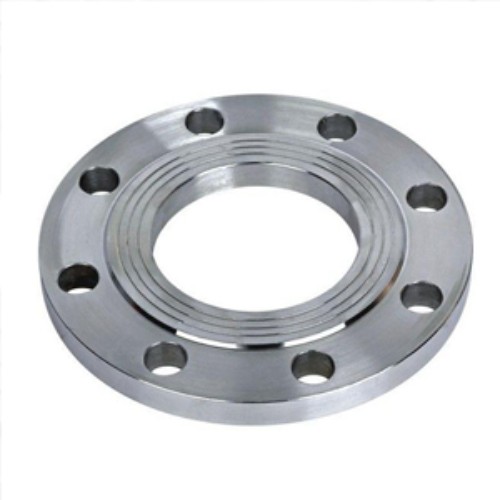
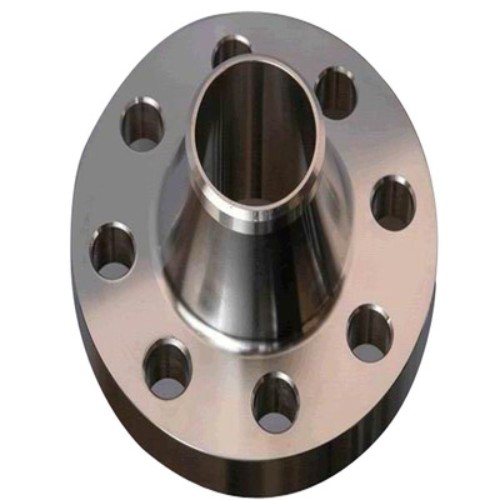
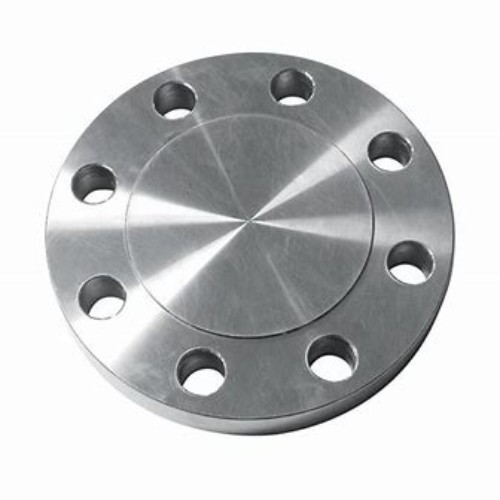
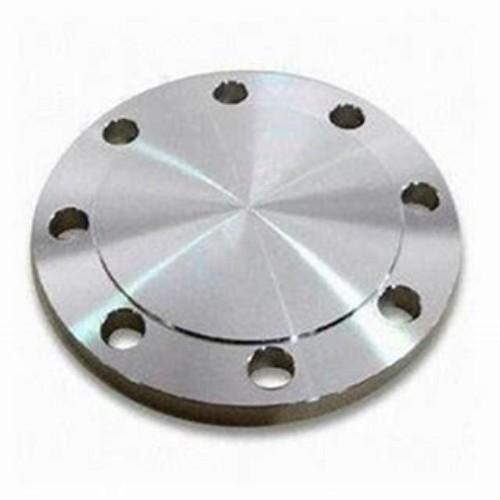
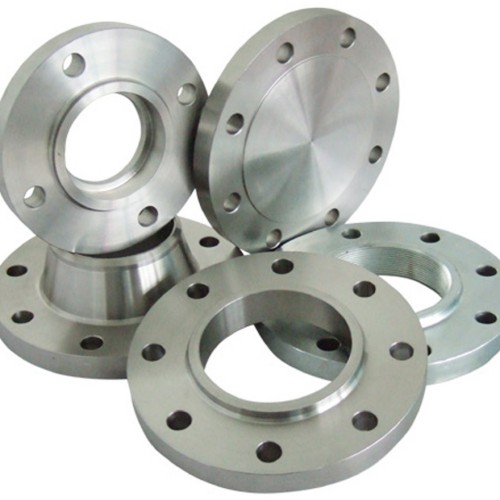
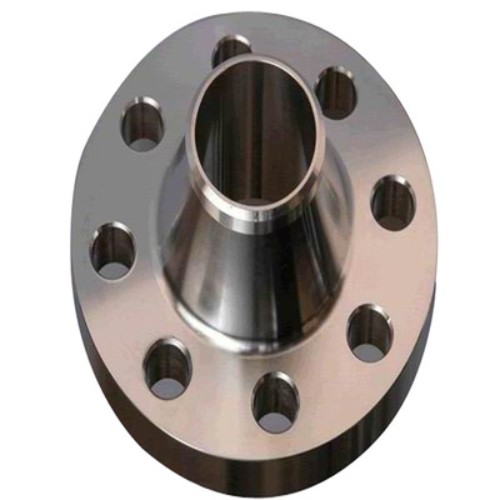
Flanges are important components for connecting pipes, valves, equipment and accessories to achieve safe and reliable connections. Flanges can be divided into various types according to different standards and uses. Common flange types include weld neck flanges, blind flanges, flange-to-flanges, sliding flanges, and threaded flanges. Welded neck flanges are suitable for high pressure and high temperature environments and are connected to pipes by welding to provide a stable connection. Blind flanges are used to close the ends of pipes to facilitate maintenance and inspection. Flange-to-flange is typically used to connect two pipes, while sliding flange allows the flange to slide over the pipe for easy installation and adjustment. Threaded flanges are suitable for low pressure environments and are threaded to pipes. Selecting the appropriate flange type depends on the pressure, temperature, media and installation requirements of the piping system. Proper selection and installation of flanges ensures safe operation and sealed connections in piping systems.
What Are The Types Of Flanges?
The types of flanges commonly used in piping systems include:
1. Weld Neck Flange: This type of flange is designed with a long, tapered hub that provides an ideal connection for high-pressure applications. The neck of the flange is welded to the pipe, offering strength and support at the joint.
2. Slip-On Flange: Slip-on flanges are easy to align and are used in low-pressure applications. They are slipped over the pipe and then welded both inside and outside to provide strength and prevent leakage.
3. Blind Flange: Blind flanges are solid disks used to block off a pipeline or to create a stop. They are commonly used for pressure testing the flow of gas or liquid through a pipeline.
4. Threaded Flange: Threaded flanges are used in low-pressure applications and are connected to the pipe with threads, providing a strong and reliable connection.
5. Lap Joint Flange: Lap joint flanges are used with a stub end or taft, which is welded to the pipe. The flange then slides over the pipe and is free to rotate around the stub end, allowing for easy alignment of bolt holes.
6. Socket Weld Flange: Socket weld flanges are used for high-pressure applications and are connected to the pipe by inserting the pipe into the socket end and then applying fillet weld around the top.
Each type of flange has specific characteristics and is suitable for different applications based on factors such as pressure, temperature, and the nature of the fluid being transported. Proper selection of flange type is crucial to ensure the integrity and safety of the piping system.












































































