


 Kurdî
Kurdî
 efrîkanî
 Albanî
 Amharîkî
 Erebî
Erebî
 Ermenî
 Azerî
Azerî
 Baskî
Baskî
 Belarûsî
 Bengalî
 Bosnayî
 Bûlgarî
 Katalanî
 Cebuano
 Korsîkayî
 Xirwatî
 Çekî
Çekî
 Danîmarkî
 Holandî
 Îngilîzî
 Esperanto
 Estonî
 Fînlandî
 Fransî
 frîzî
frîzî
 Galîsyayî
 Gurcî
Gurcî
 Almanî
 Yewnanî
 Gujaratî
 Kreoliya Haîtiyî
 Hausa
Hausa
 Hawaiyî
 Îbranî
 Nexêr
Nexêr
 Miao
Miao
 Macarî
 Îzlandî
 igbo
igbo
 Îndonezî
 Irlandî
 Îtalî
Îtalî
 Japonî
 Javanesî
 Kanadayî
 Qazakî
 Khmer
Khmer
 Rwandan
 Koreyî
 Qirgizî
 TB
TB
 Latînî
 Letonî
 Lîtvanyayî
 Luksembûrgî
 Makedonî
 Malgashi
 Malayî
 Malayalamî
 Maltezî
 Maorîyî
 Maratî
 Moxolî
 Mîyanmar
 Nepalî
 Norwêcî
 Norwêcî
 Occitan
 Peştûyî
 Farsî
Farsî
 Polandî
 Portekizî
 Pencabî
 Romanyayî
 Rûsî
Rûsî
 Samoan
 Scottish Gaelic
 Sirbî
Sirbî
 Îngilîzî
 Shona
Shona
 Sindî
Sindî
 Sinhala
 Slovakî
 Slovenî
 Somalîkî
 Îspanyolî
 Sundanese
 Swahîlîyî
 Swêdî
Swêdî
 Tagalogî
 Tajik
Tajik
 Tamîlî
 Tatar
Tatar
 Teluguyî
 Thayîkî
 Tirkî
Tirkî
 Tirkmenî
 Ûkraynî
 Ûrdûyî
 Uyghur
 Ozbekî
 Vîetnamî
 Galerkî
 Alîkarî
 Yîddîşî
 Yorûbayî
 Zulu
Zulu


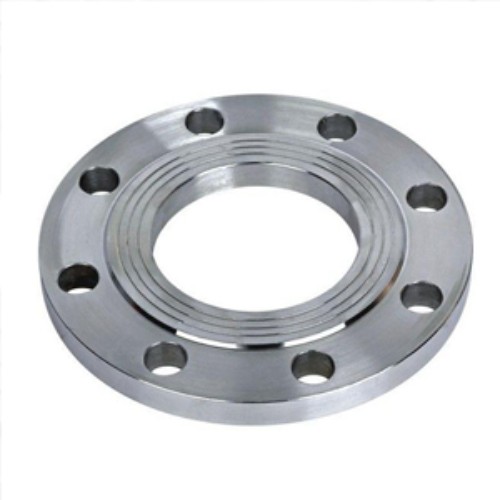
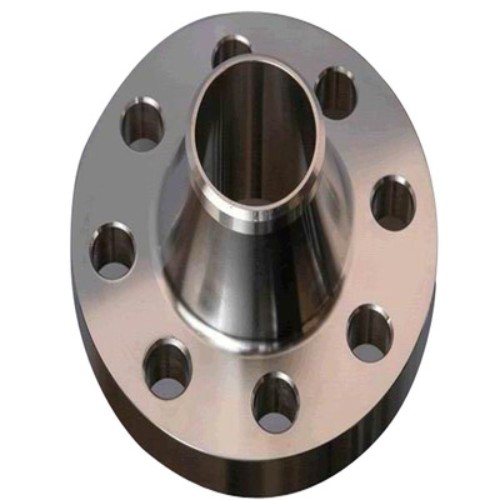
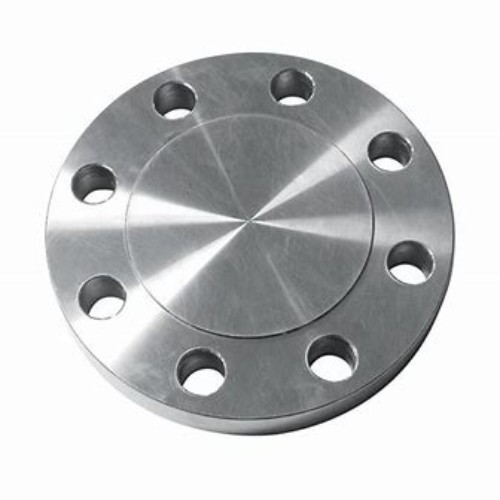
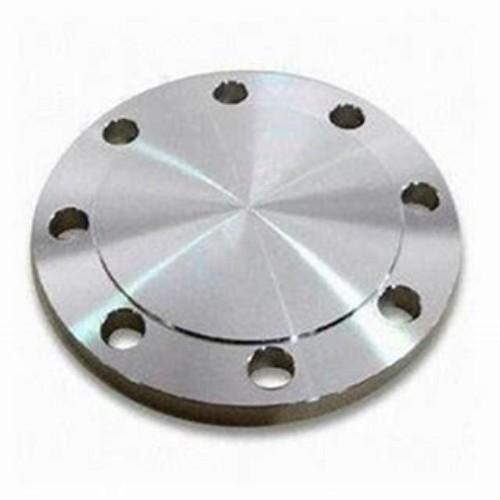
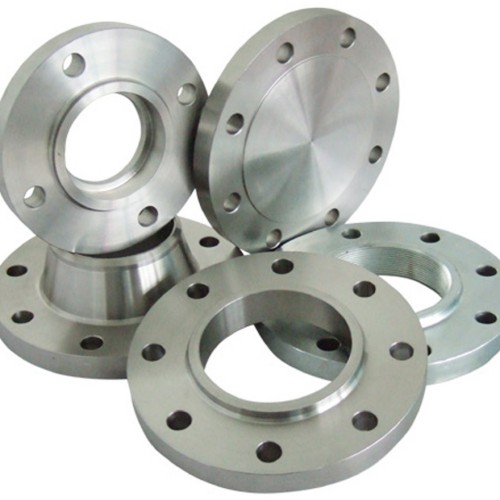
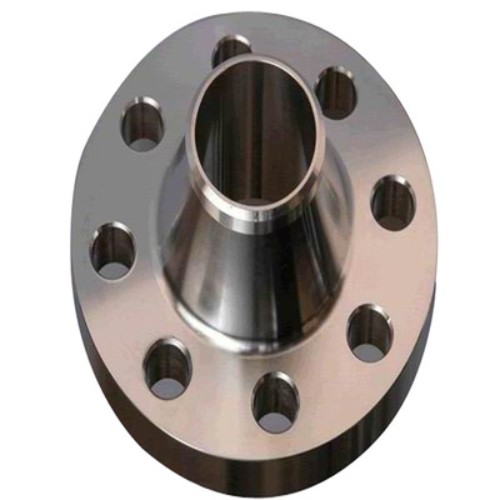
Flanges are important components for connecting pipes, valves, equipment and accessories to achieve safe and reliable connections. Flanges can be divided into various types according to different standards and uses. Common flange types include weld neck flanges, blind flanges, flange-to-flanges, sliding flanges, and threaded flanges. Welded neck flanges are suitable for high pressure and high temperature environments and are connected to pipes by welding to provide a stable connection. Blind flanges are used to close the ends of pipes to facilitate maintenance and inspection. Flange-to-flange is typically used to connect two pipes, while sliding flange allows the flange to slide over the pipe for easy installation and adjustment. Threaded flanges are suitable for low pressure environments and are threaded to pipes. Selecting the appropriate flange type depends on the pressure, temperature, media and installation requirements of the piping system. Proper selection and installation of flanges ensures safe operation and sealed connections in piping systems.
What Are The Types Of Flanges?
The types of flanges commonly used in piping systems include:
1. Weld Neck Flange: This type of flange is designed with a long, tapered hub that provides an ideal connection for high-pressure applications. The neck of the flange is welded to the pipe, offering strength and support at the joint.
2. Slip-On Flange: Slip-on flanges are easy to align and are used in low-pressure applications. They are slipped over the pipe and then welded both inside and outside to provide strength and prevent leakage.
3. Blind Flange: Blind flanges are solid disks used to block off a pipeline or to create a stop. They are commonly used for pressure testing the flow of gas or liquid through a pipeline.
4. Threaded Flange: Threaded flanges are used in low-pressure applications and are connected to the pipe with threads, providing a strong and reliable connection.
5. Lap Joint Flange: Lap joint flanges are used with a stub end or taft, which is welded to the pipe. The flange then slides over the pipe and is free to rotate around the stub end, allowing for easy alignment of bolt holes.
6. Socket Weld Flange: Socket weld flanges are used for high-pressure applications and are connected to the pipe by inserting the pipe into the socket end and then applying fillet weld around the top.
Each type of flange has specific characteristics and is suitable for different applications based on factors such as pressure, temperature, and the nature of the fluid being transported. Proper selection of flange type is crucial to ensure the integrity and safety of the piping system.












































































