


 فارسی
فارسی
 آفریقایی
 آلبانیایی
 آمهری
آمهری
 عربی
عربی
 ارمنی
ارمنی
 آذربایجانی
 باسکی
باسکی
 بلاروسی
 بنگالی
 بوسنیایی
 بلغاری
 کاتالان
 سبوانو
 کورسی
کورسی
 کروات
کروات
 کشور چک
 دانمارکی
 هلندی
هلندی
 انگلیسی
 اسپرانتو
 استونیایی
 فنلاندی
 فرانسوی
 فریزی
فریزی
 گالیسیایی
 گرجی
گرجی
 آلمانی
 یونانی
 گجراتی
 کریول هائیتی
 هاوسا
هاوسا
 هاوایی
 عبری
عبری
 جواب منفی
 میائو
میائو
 مجارستانی
 ایسلندی
 igbo
igbo
 اندونزیایی
 ایرلندی
 ایتالیایی
 ژاپنی
ژاپنی
 جاوه ای
 کانادا
 قزاقی
قزاقی
 خمر
خمر
 رواندا
 کره ای
 کردی
کردی
 قرقیزستان
 سل
سل
 لاتین
لاتین
 لتونی
لتونی
 لیتوانیایی
 لوگزامبورگی
 مقدونی
 مالگاشی
 مالایی
 مالایایی
 مالتی
مالتی
 مائوری
 مراتی
مراتی
 مغولی
مغولی
 میانمار
 نپالی
نپالی
 نروژی
نروژی
 نروژی
نروژی
 اکسیتان
 پشتو
پشتو
 لهستانی
 پرتغالی
 پنجابی
 رومانیایی
 روسی
روسی
 ساموآ
ساموآ
 گیلیک اسکاتلندی
 صربی
صربی
 انگلیسی
 شونا
شونا
 سندی
سندی
 سینهالی
 اسلواکی
 اسلوونیایی
 سومالی
 اسپانیایی
 ساندانی
 سواحیلی
 سوئدی
سوئدی
 تاگالوگ
 تاجیک
تاجیک
 تامیل
تامیل
 تاتاری
 تلوگو
تلوگو
 تایلندی
 ترکی
ترکی
 ترکمن
ترکمن
 اوکراینی
 اردو
اردو
 اویغور
 ازبکستان
 ویتنامی
 ولز
ولز
 کمک
کمک
 ییدیش
ییدیش
 یوروبا
 زولو
زولو


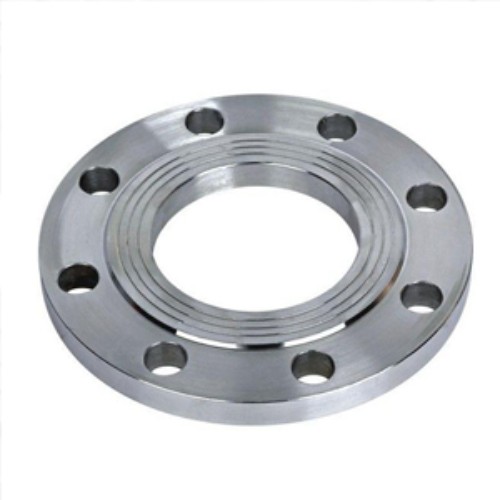
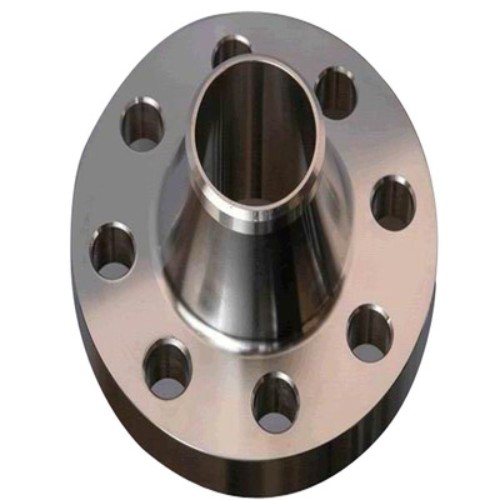
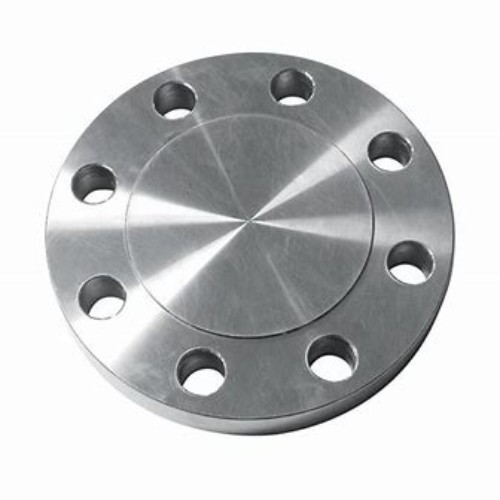
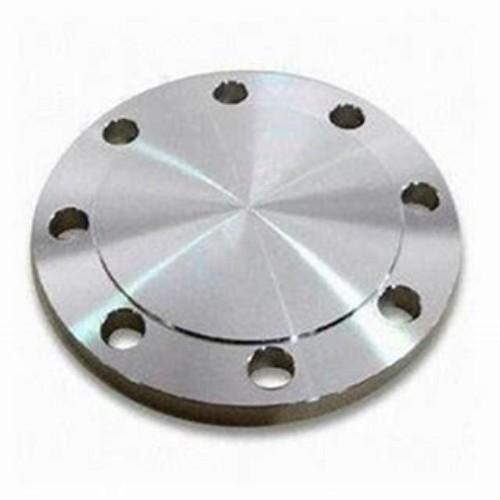
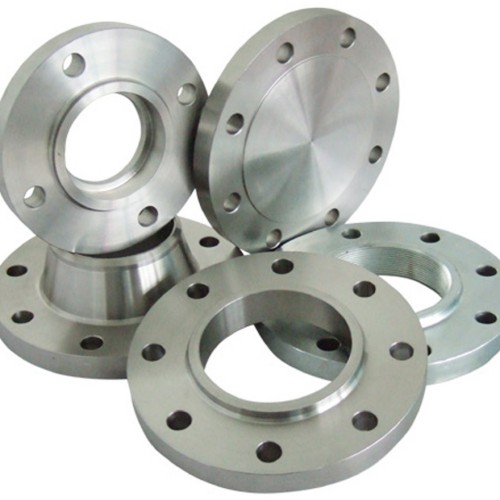
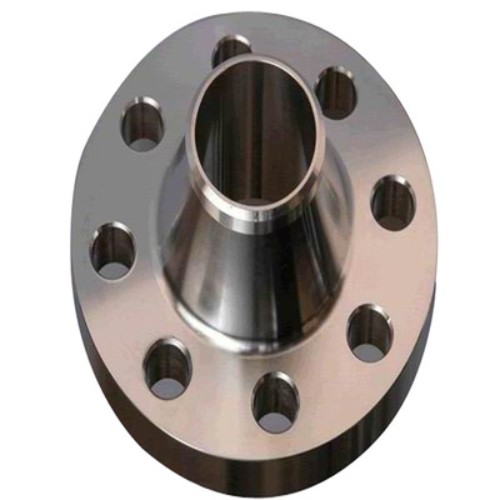
Flanges are important components for connecting pipes, valves, equipment and accessories to achieve safe and reliable connections. Flanges can be divided into various types according to different standards and uses. Common flange types include weld neck flanges, blind flanges, flange-to-flanges, sliding flanges, and threaded flanges. Welded neck flanges are suitable for high pressure and high temperature environments and are connected to pipes by welding to provide a stable connection. Blind flanges are used to close the ends of pipes to facilitate maintenance and inspection. Flange-to-flange is typically used to connect two pipes, while sliding flange allows the flange to slide over the pipe for easy installation and adjustment. Threaded flanges are suitable for low pressure environments and are threaded to pipes. Selecting the appropriate flange type depends on the pressure, temperature, media and installation requirements of the piping system. Proper selection and installation of flanges ensures safe operation and sealed connections in piping systems.
What Are The Types Of Flanges?
The types of flanges commonly used in piping systems include:
1. Weld Neck Flange: This type of flange is designed with a long, tapered hub that provides an ideal connection for high-pressure applications. The neck of the flange is welded to the pipe, offering strength and support at the joint.
2. Slip-On Flange: Slip-on flanges are easy to align and are used in low-pressure applications. They are slipped over the pipe and then welded both inside and outside to provide strength and prevent leakage.
3. Blind Flange: Blind flanges are solid disks used to block off a pipeline or to create a stop. They are commonly used for pressure testing the flow of gas or liquid through a pipeline.
4. Threaded Flange: Threaded flanges are used in low-pressure applications and are connected to the pipe with threads, providing a strong and reliable connection.
5. Lap Joint Flange: Lap joint flanges are used with a stub end or taft, which is welded to the pipe. The flange then slides over the pipe and is free to rotate around the stub end, allowing for easy alignment of bolt holes.
6. Socket Weld Flange: Socket weld flanges are used for high-pressure applications and are connected to the pipe by inserting the pipe into the socket end and then applying fillet weld around the top.
Each type of flange has specific characteristics and is suitable for different applications based on factors such as pressure, temperature, and the nature of the fluid being transported. Proper selection of flange type is crucial to ensure the integrity and safety of the piping system.












































































