


 Cymraeg
 Affricanaidd
 Albaneg
 Amhareg
 Arabeg
 Armenaidd
 Azerbaijani
 Basgeg
 Belarwseg
 Bengali
 Bosnieg
 Bwlgareg
 Catalaneg
 Cebuano
 Corseg
 Croateg
 Tsiec
Tsiec
 Daneg
Daneg
 Iseldireg
 Saesneg
 Esperanto
 Estoneg
 Ffinneg
 Ffrangeg
 Ffriseg
 Galiseg
 Sioraidd
 Almaeneg
 Groeg
Groeg
 Gwjarati
 Creol Haitaidd
 hausa
hausa
 hawaiian
 Hebraeg
 Naddo
Naddo
 Miao
Miao
 Hwngareg
 Islandeg
 igbo
igbo
 Indoneseg
 gwyddelig
 Eidaleg
 Japaneaidd
 Jafaneg
 Kannada
 kazakh
 Khmer
Khmer
 Rwanda
 Corëeg
 Cwrdaidd
 Kyrgyz
 TB
TB
 Lladin
 Latfieg
 Lithwaneg
 Lwcsembwrgaidd
 Macedoneg
 Malgashi
 Maleieg
 Malayalam
 Malteg
 Maori
Maori
 Marathi
 Mongoleg
 Myanmar
 Nepali
 Norwyaidd
 Norwyaidd
 Ocsitaneg
 Pashto
 Perseg
 Pwyleg
 Portiwgaleg
 Pwnjabi
 Rwmania
 Rwsiaidd
 Samoaidd
 Gaeleg yr Alban
 Serbeg
 Saesneg
 Shona
Shona
 Sindhi
 Sinhala
 Slofaceg
 Slofeneg
 Somalïaidd
 Sbaeneg
 Sundanaidd
 Swahili
 Swedeg
 Tagalog
 Tajiceg
 Tamil
Tamil
 Tatar
Tatar
 Telugu
 Thai
Thai
 Twrceg
 Tyrcmeniaid
 Wcrain
 Wrdw
Wrdw
 Uighur
 Wsbeceg
 Fietnameg
 Help
Help
 Iddeweg
 Iorwba
 Zwlw
Zwlw


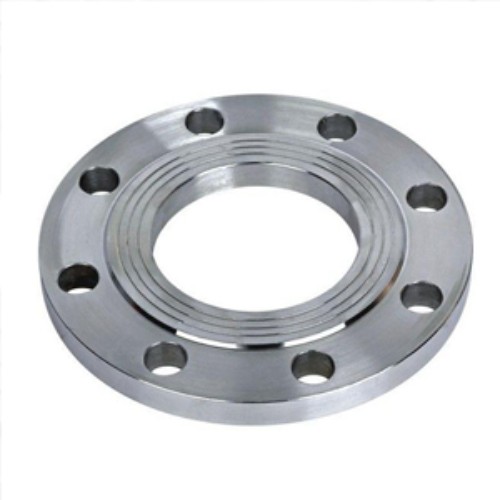
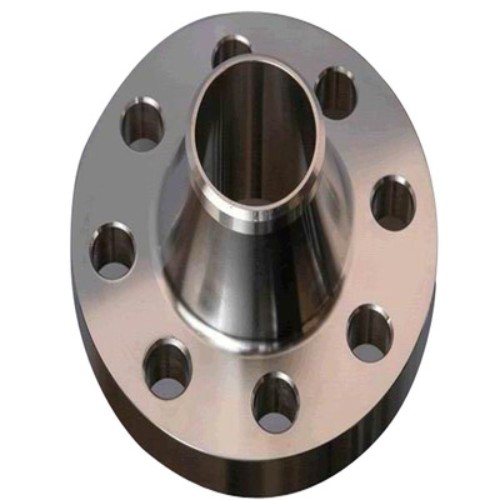
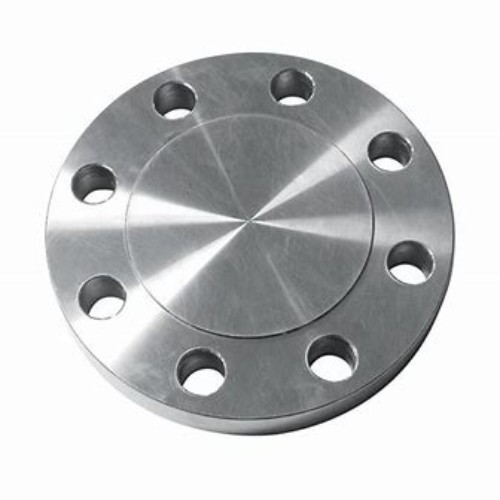
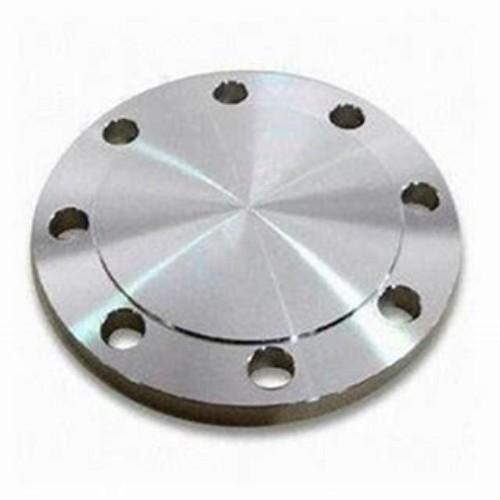
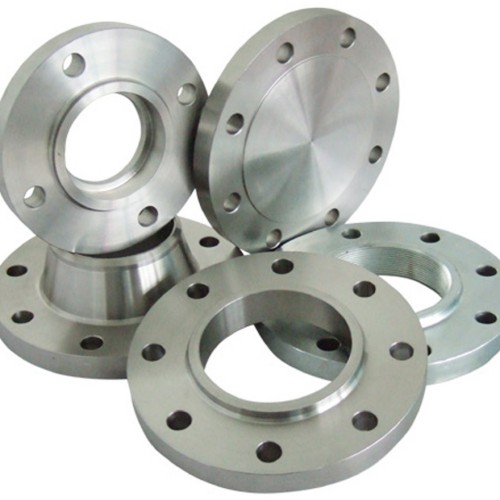
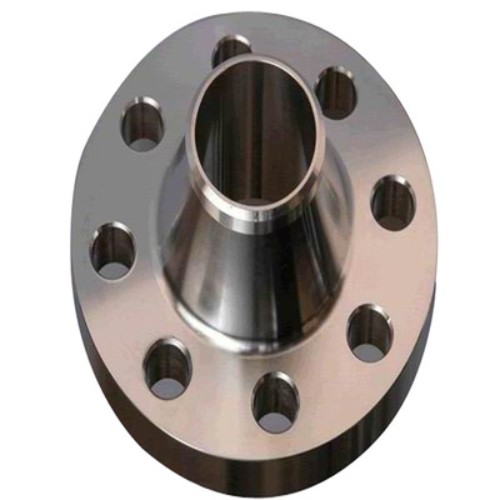
Flanges are important components for connecting pipes, valves, equipment and accessories to achieve safe and reliable connections. Flanges can be divided into various types according to different standards and uses. Common flange types include weld neck flanges, blind flanges, flange-to-flanges, sliding flanges, and threaded flanges. Welded neck flanges are suitable for high pressure and high temperature environments and are connected to pipes by welding to provide a stable connection. Blind flanges are used to close the ends of pipes to facilitate maintenance and inspection. Flange-to-flange is typically used to connect two pipes, while sliding flange allows the flange to slide over the pipe for easy installation and adjustment. Threaded flanges are suitable for low pressure environments and are threaded to pipes. Selecting the appropriate flange type depends on the pressure, temperature, media and installation requirements of the piping system. Proper selection and installation of flanges ensures safe operation and sealed connections in piping systems.
What Are The Types Of Flanges?
The types of flanges commonly used in piping systems include:
1. Weld Neck Flange: This type of flange is designed with a long, tapered hub that provides an ideal connection for high-pressure applications. The neck of the flange is welded to the pipe, offering strength and support at the joint.
2. Slip-On Flange: Slip-on flanges are easy to align and are used in low-pressure applications. They are slipped over the pipe and then welded both inside and outside to provide strength and prevent leakage.
3. Blind Flange: Blind flanges are solid disks used to block off a pipeline or to create a stop. They are commonly used for pressure testing the flow of gas or liquid through a pipeline.
4. Threaded Flange: Threaded flanges are used in low-pressure applications and are connected to the pipe with threads, providing a strong and reliable connection.
5. Lap Joint Flange: Lap joint flanges are used with a stub end or taft, which is welded to the pipe. The flange then slides over the pipe and is free to rotate around the stub end, allowing for easy alignment of bolt holes.
6. Socket Weld Flange: Socket weld flanges are used for high-pressure applications and are connected to the pipe by inserting the pipe into the socket end and then applying fillet weld around the top.
Each type of flange has specific characteristics and is suitable for different applications based on factors such as pressure, temperature, and the nature of the fluid being transported. Proper selection of flange type is crucial to ensure the integrity and safety of the piping system.












































































