


 Magyar
 afrikai
 albán
albán
 amhara
 arab
arab
 örmény
 azerbajdzsáni
 baszk
baszk
 fehérorosz
 bengáli
 bosnyák
 bolgár
 katalán
 Cebuano
 korzikai
 horvát
 cseh
cseh
 dán
dán
 holland
 angol
angol
 eszperantó
 észt
észt
 finn
finn
 Francia
 fríz
fríz
 galíciai
 grúz
grúz
 német
német
 görög
görög
 gudzsaráti
 Haiti kreol
 hausa
hausa
 hawaii
 héber
héber
 Dehogy
 Miao
Miao
 izlandi
 igbo
igbo
 indonéz
 ír
ír
 olasz
olasz
 japán
japán
 jávai
jávai
 kannada
 kazah
kazah
 khmer
khmer
 ruandai
 koreai
 kurd
kurd
 kirgiz
 tuberkulózis
 latin
latin
 lett
lett
 litván
 luxemburgi
 macedón
 Malgashi
 maláj
maláj
 Malayalam
 máltai
 maori
maori
 marathi
 mongol
 Mianmar
 nepáli
 norvég
 norvég
 okszitán
 pastu
pastu
 perzsa
 fényesít
 portugál
 pandzsábi
 román
román
 orosz
orosz
 szamoai
 skót gael
 szerb
szerb
 angol
angol
 Shona
Shona
 szindhi
 szingaléz
 szlovák
 szlovén
 szomáliai
 spanyol
 szundanai
 szuahéli
 svéd
svéd
 tagalog
 tadzsik
 tamil
tamil
 tatár
tatár
 telugu
 thai
thai
 török
török
 türkmén
 ukrán
ukrán
 urdu
urdu
 ujgur
ujgur
 üzbég
üzbég
 vietnami
 walesi
 Segítség
 jiddis
 joruba
 zulu
zulu


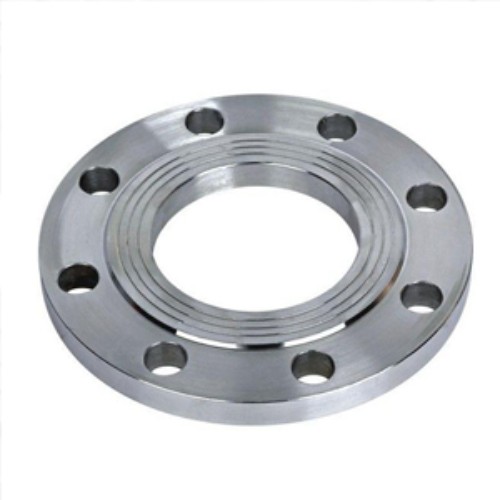
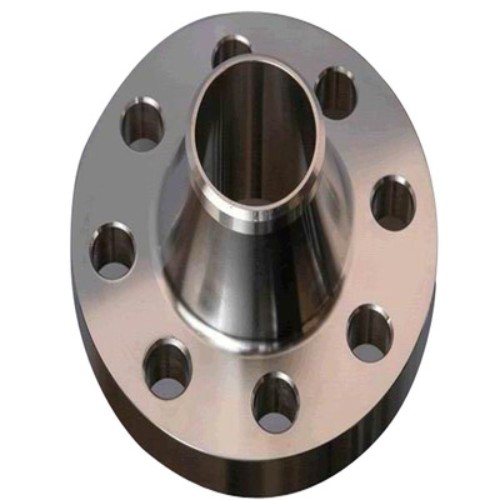
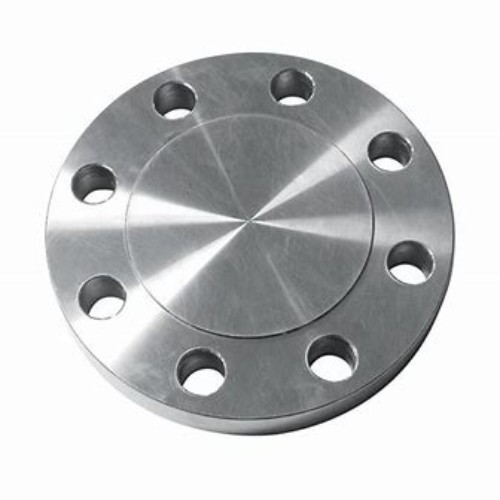
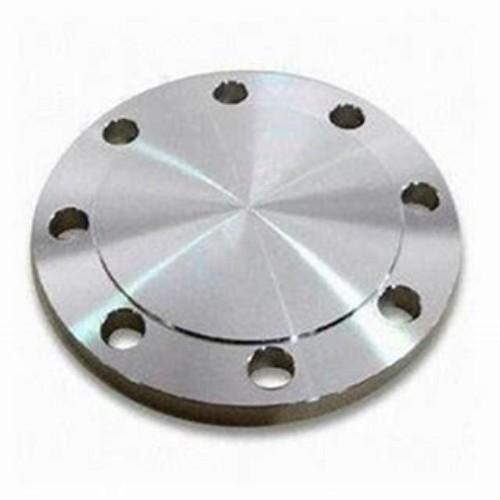
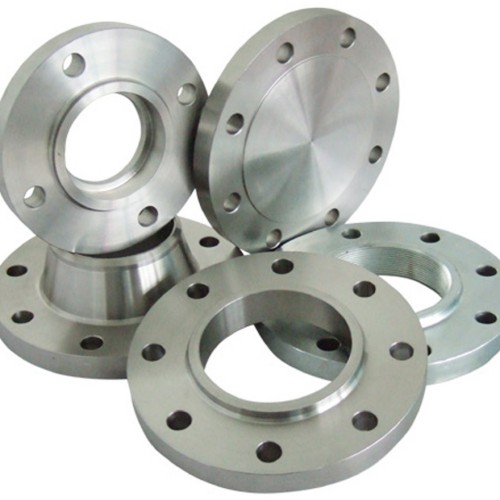
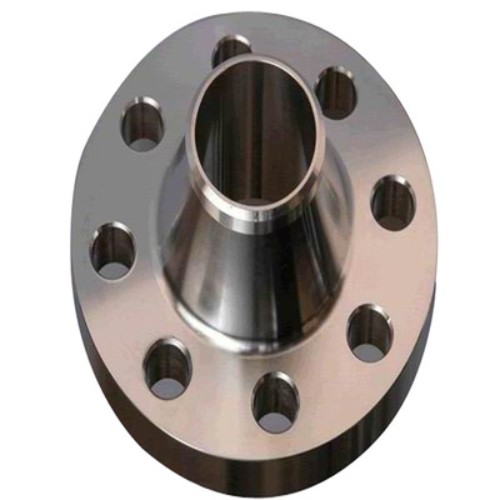
Flanges are important components for connecting pipes, valves, equipment and accessories to achieve safe and reliable connections. Flanges can be divided into various types according to different standards and uses. Common flange types include weld neck flanges, blind flanges, flange-to-flanges, sliding flanges, and threaded flanges. Welded neck flanges are suitable for high pressure and high temperature environments and are connected to pipes by welding to provide a stable connection. Blind flanges are used to close the ends of pipes to facilitate maintenance and inspection. Flange-to-flange is typically used to connect two pipes, while sliding flange allows the flange to slide over the pipe for easy installation and adjustment. Threaded flanges are suitable for low pressure environments and are threaded to pipes. Selecting the appropriate flange type depends on the pressure, temperature, media and installation requirements of the piping system. Proper selection and installation of flanges ensures safe operation and sealed connections in piping systems.
What Are The Types Of Flanges?
The types of flanges commonly used in piping systems include:
1. Weld Neck Flange: This type of flange is designed with a long, tapered hub that provides an ideal connection for high-pressure applications. The neck of the flange is welded to the pipe, offering strength and support at the joint.
2. Slip-On Flange: Slip-on flanges are easy to align and are used in low-pressure applications. They are slipped over the pipe and then welded both inside and outside to provide strength and prevent leakage.
3. Blind Flange: Blind flanges are solid disks used to block off a pipeline or to create a stop. They are commonly used for pressure testing the flow of gas or liquid through a pipeline.
4. Threaded Flange: Threaded flanges are used in low-pressure applications and are connected to the pipe with threads, providing a strong and reliable connection.
5. Lap Joint Flange: Lap joint flanges are used with a stub end or taft, which is welded to the pipe. The flange then slides over the pipe and is free to rotate around the stub end, allowing for easy alignment of bolt holes.
6. Socket Weld Flange: Socket weld flanges are used for high-pressure applications and are connected to the pipe by inserting the pipe into the socket end and then applying fillet weld around the top.
Each type of flange has specific characteristics and is suitable for different applications based on factors such as pressure, temperature, and the nature of the fluid being transported. Proper selection of flange type is crucial to ensure the integrity and safety of the piping system.












































































