


 Magyar
 afrikai
 albán
albán
 amhara
 arab
arab
 örmény
 azerbajdzsáni
 baszk
baszk
 fehérorosz
 bengáli
 bosnyák
 bolgár
 katalán
 Cebuano
 korzikai
 horvát
 cseh
cseh
 dán
dán
 holland
 angol
angol
 eszperantó
 észt
észt
 finn
finn
 Francia
 fríz
fríz
 galíciai
 grúz
grúz
 német
német
 görög
görög
 gudzsaráti
 Haiti kreol
 hausa
hausa
 hawaii
 héber
héber
 Dehogy
 Miao
Miao
 izlandi
 igbo
igbo
 indonéz
 ír
ír
 olasz
olasz
 japán
japán
 jávai
jávai
 kannada
 kazah
kazah
 khmer
khmer
 ruandai
 koreai
 kurd
kurd
 kirgiz
 tuberkulózis
 latin
latin
 lett
lett
 litván
 luxemburgi
 macedón
 Malgashi
 maláj
maláj
 Malayalam
 máltai
 maori
maori
 marathi
 mongol
 Mianmar
 nepáli
 norvég
 norvég
 okszitán
 pastu
pastu
 perzsa
 fényesít
 portugál
 pandzsábi
 román
román
 orosz
orosz
 szamoai
 skót gael
 szerb
szerb
 angol
angol
 Shona
Shona
 szindhi
 szingaléz
 szlovák
 szlovén
 szomáliai
 spanyol
 szundanai
 szuahéli
 svéd
svéd
 tagalog
 tadzsik
 tamil
tamil
 tatár
tatár
 telugu
 thai
thai
 török
török
 türkmén
 ukrán
ukrán
 urdu
urdu
 ujgur
ujgur
 üzbég
üzbég
 vietnami
 walesi
 Segítség
 jiddis
 joruba
 zulu
zulu


Blind valves, also known as blanking valves, are used to close off the flow of fluid in a pipeline. They are typically installed at the end of a line or at a specific point in the system where temporary isolation or closure is required. Blind valves are designed to provide a tight seal to prevent the flow of fluid, and they are available in various types, including bolted bonnet, pressure seal, and welded bonnet designs, to accommodate different pressure and temperature requirements. These valves are commonly used during maintenance, repair, or testing of the pipeline system, as well as for isolating sections of the pipeline for safety or operational reasons. The selection of blind valves depends on factors such as the type of fluid, pressure rating, temperature range, and the specific application within the pipeline system. Proper installation and maintenance of blind valves are essential to ensure reliable and safe operation, as well as to prevent leakage and potential hazards within the pipeline.
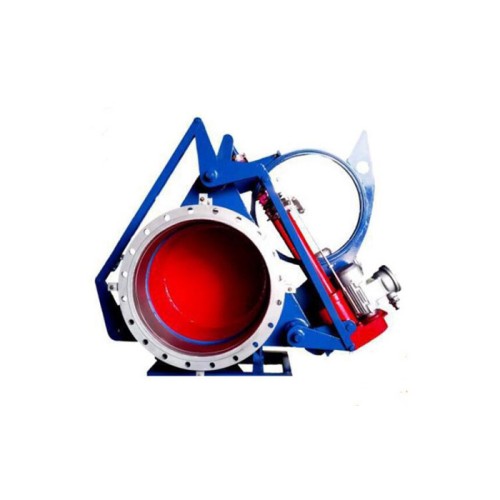

Why Use Spectacle Blind Instead Of Valve?
Spectacle blinds are used in piping systems for the purpose of temporarily closing off a pipe or isolating a section of the pipeline. They consist of two metal discs connected by a section of metal, resembling a pair of spectacles, hence the name. The main advantage of using spectacle blinds instead of valves for isolation is that they provide a more secure and reliable closure. When a spectacle blind is installed, it completely blocks the flow of fluid, ensuring a tight seal and preventing any leakage. In contrast, valves, even when fully closed, may still allow a small amount of fluid to pass through, which can be undesirable in certain situations, such as during maintenance or repair activities. Additionally, spectacle blinds are often used in applications where the pipeline needs to be completely sealed off for an extended period, and where the use of a valve may not provide the level of security and isolation required. Overall, the decision to use a spectacle blind instead of a valve depends on the specific needs of the piping system, the level of isolation required, and the nature of the fluid being transported.












































































