


 latviski
 Āfrikas
 albānis
 amharu
 arābu
arābu
 armēņu
 Azerbaidžāņu
 basku
basku
 baltkrievu
 bengāļu
 bosniešu
 bulgāru valoda
 katalāņu
 Cebuano
 Korsikānis
 horvātu
 čehu
čehu
 dāņu
dāņu
 holandiešu valoda
 Angļu
Angļu
 Esperanto
 igauņu
 somu
somu
 franču valoda
 frīzu valoda
 Galisiešu
 gruzīnu
 vācu
vācu
 grieķu valoda
 gudžaratu
 Haiti kreols
 hausa
hausa
 havajietis
 ivrits
 Nē
Nē
 Miao
Miao
 ungāru
 islandiešu
 igbo
igbo
 Indonēziešu
 īru
īru
 itāļu valoda
 japāņi
 javiešu
 kannada
 kazahu
 khmeru
 Ruandā
 korejiešu
 kurdu
kurdu
 Kirgizstānas
 TB
TB
 latīņu valoda
 lietuviešu
 luksemburgiešu
 maķedonietis
 Malgaši
 malajiešu
 malajalu
 maltiešu
 maori
maori
 maratu
 mongoļu valoda
 Mjanma
 Nepāliešu
 norvēģu
 norvēģu
 oksitāņu
 puštu
puštu
 persiešu
 poļu
poļu
 portugāļu
 pandžabu
 rumāņu
 krievu valoda
 Samoa
Samoa
 skotu gēlu valoda
 serbu
serbu
 Angļu
Angļu
 Šona
Šona
 Sindhi
 singalu valoda
 slovāku
 slovēņu
 somāliešu
 spāņu valoda
 sundāņu
 svahili
 zviedru
 tagalogs
 tadžiks
 tamilu
 tatārs
 telugu
 taju
taju
 Turku
Turku
 Turkmēņu
 ukraiņu
 urdu
urdu
 Uiguru
 uzbeku
 vjetnamietis
 velsiešu
 Palīdzība
 jidiša
 Joruba
 zulu
zulu


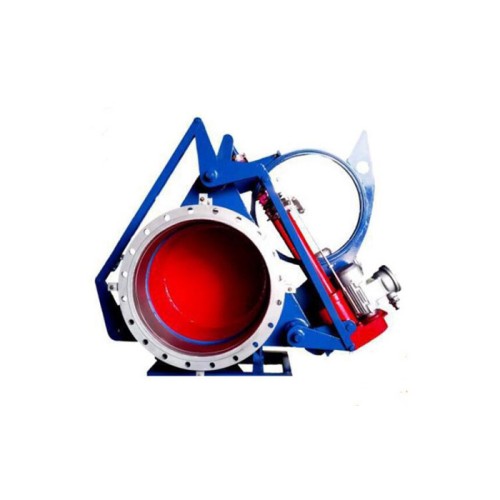
Blind valves, also known as blanking valves, are used to close off the flow of fluid in a pipeline. They are typically installed at the end of a line or at a specific point in the system where temporary isolation or closure is required. Blind valves are designed to provide a tight seal to prevent the flow of fluid, and they are available in various types, including bolted bonnet, pressure seal, and welded bonnet designs, to accommodate different pressure and temperature requirements. These valves are commonly used during maintenance, repair, or testing of the pipeline system, as well as for isolating sections of the pipeline for safety or operational reasons. The selection of blind valves depends on factors such as the type of fluid, pressure rating, temperature range, and the specific application within the pipeline system. Proper installation and maintenance of blind valves are essential to ensure reliable and safe operation, as well as to prevent leakage and potential hazards within the pipeline.

Why Use Spectacle Blind Instead Of Valve?
Spectacle blinds are used in piping systems for the purpose of temporarily closing off a pipe or isolating a section of the pipeline. They consist of two metal discs connected by a section of metal, resembling a pair of spectacles, hence the name. The main advantage of using spectacle blinds instead of valves for isolation is that they provide a more secure and reliable closure. When a spectacle blind is installed, it completely blocks the flow of fluid, ensuring a tight seal and preventing any leakage. In contrast, valves, even when fully closed, may still allow a small amount of fluid to pass through, which can be undesirable in certain situations, such as during maintenance or repair activities. Additionally, spectacle blinds are often used in applications where the pipeline needs to be completely sealed off for an extended period, and where the use of a valve may not provide the level of security and isolation required. Overall, the decision to use a spectacle blind instead of a valve depends on the specific needs of the piping system, the level of isolation required, and the nature of the fluid being transported.












































































