


 Ελληνικά
 αφρικανός
 Αλβανός
 Αμαρικά
 αραβικός
 αρμενικός
 Αζερμπαϊτζάν
 Βάσκος
 Λευκορωσική
 Μπενγκάλι
 Βόσνιος
 Βούλγαρος
 καταλανικά
 Cebuano
 Κορσικανός
 Κροατία
 Τσέχος
 δανικός
 Ολλανδός
 Αγγλικά
 εσπεράντο
 Εσθονική
 φινλανδικός
 γαλλική γλώσσα
 Φριζ
Φριζ
 Γαλικιανός
 Γεωργιανή
 Γερμανός
 Γκουτζαράτι
 Κρεολική Αϊτής
 hausa
hausa
 Χαβάης
 Εβραϊκά
 Όχι
Όχι
 Miao
Miao
 ουγγρικός
 ισλανδικός
 igbo
igbo
 Ινδονησιακά
 ιρλανδικός
 ιταλικός
 Ιαπωνικά
 Ιάβας
Ιάβας
 Κανάντα
 καζακικά
 Χμερ
Χμερ
 Ρουάντα
 κορεάτης
 κουρδικά
 Κιργιζικά
 ΤΒ
ΤΒ
 λατινικά
 λετονική
 Λιθουανικά
 Λουξεμβουργιανό
 Μακεδόνας
 Μαλγκάσι
 Μαλαισίας
 Μαλαγιαλάμ
 μαλτέζος
 Μαορί
Μαορί
 Μαράθι
 Μογγόλος
 Μιανμάρ
 Νεπάλ
Νεπάλ
 Νορβηγός
 Νορβηγός
 Οξιτανός
 Πάστο
Πάστο
 περσικός
 Στίλβωση
 Πορτογαλικά
 Παντζάμπι
 ρουμανικός
 Ρωσική
 Σαμόα
Σαμόα
 Σκωτσέζικη Γαελική
 Σέρβος
 Αγγλικά
 Σόνα
Σόνα
 Σίντι
Σίντι
 Σινχαλά
 Σλοβάκος
 Σλοβενική
 Σομαλός
 Ισπανικά
 Σουνδανός
 Σουαχίλι
 Σουηδικά
 Ταγκαλόγκ
 Τατζικιστάν
 Ταμίλ
Ταμίλ
 Τατάρος
 Τελούγκου
 Ταϊλανδός
 τούρκικος
 Τουρκμενιστάν
 Ουκρανός
 Ουρντού
 Ουιγούρης
 Ουζμπεκιστάν
 Βιετναμέζικο
 Δεν πληρώνω τα οφειλόμενα
 Βοήθεια
 γερμανοεβραϊκή διάλεκτος
 Γιορούμπα
 Ζουλού


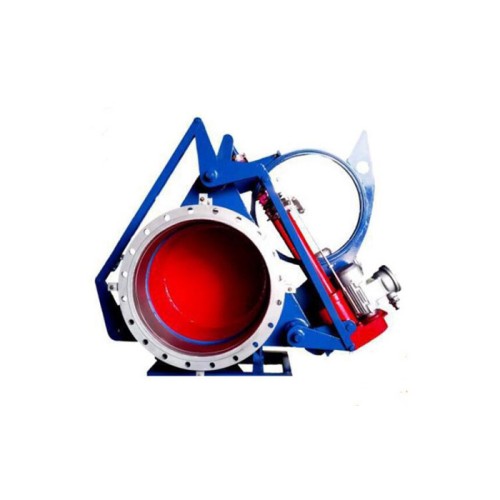
Blind valves, also known as blanking valves, are used to close off the flow of fluid in a pipeline. They are typically installed at the end of a line or at a specific point in the system where temporary isolation or closure is required. Blind valves are designed to provide a tight seal to prevent the flow of fluid, and they are available in various types, including bolted bonnet, pressure seal, and welded bonnet designs, to accommodate different pressure and temperature requirements. These valves are commonly used during maintenance, repair, or testing of the pipeline system, as well as for isolating sections of the pipeline for safety or operational reasons. The selection of blind valves depends on factors such as the type of fluid, pressure rating, temperature range, and the specific application within the pipeline system. Proper installation and maintenance of blind valves are essential to ensure reliable and safe operation, as well as to prevent leakage and potential hazards within the pipeline.

Why Use Spectacle Blind Instead Of Valve?
Spectacle blinds are used in piping systems for the purpose of temporarily closing off a pipe or isolating a section of the pipeline. They consist of two metal discs connected by a section of metal, resembling a pair of spectacles, hence the name. The main advantage of using spectacle blinds instead of valves for isolation is that they provide a more secure and reliable closure. When a spectacle blind is installed, it completely blocks the flow of fluid, ensuring a tight seal and preventing any leakage. In contrast, valves, even when fully closed, may still allow a small amount of fluid to pass through, which can be undesirable in certain situations, such as during maintenance or repair activities. Additionally, spectacle blinds are often used in applications where the pipeline needs to be completely sealed off for an extended period, and where the use of a valve may not provide the level of security and isolation required. Overall, the decision to use a spectacle blind instead of a valve depends on the specific needs of the piping system, the level of isolation required, and the nature of the fluid being transported.












































































