


 Ελληνικά
 αφρικανός
 Αλβανός
 Αμαρικά
 αραβικός
 αρμενικός
 Αζερμπαϊτζάν
 Βάσκος
 Λευκορωσική
 Μπενγκάλι
 Βόσνιος
 Βούλγαρος
 καταλανικά
 Cebuano
 Κορσικανός
 Κροατία
 Τσέχος
 δανικός
 Ολλανδός
 Αγγλικά
 εσπεράντο
 Εσθονική
 φινλανδικός
 γαλλική γλώσσα
 Φριζ
Φριζ
 Γαλικιανός
 Γεωργιανή
 Γερμανός
 Γκουτζαράτι
 Κρεολική Αϊτής
 hausa
hausa
 Χαβάης
 Εβραϊκά
 Όχι
Όχι
 Miao
Miao
 ουγγρικός
 ισλανδικός
 igbo
igbo
 Ινδονησιακά
 ιρλανδικός
 ιταλικός
 Ιαπωνικά
 Ιάβας
Ιάβας
 Κανάντα
 καζακικά
 Χμερ
Χμερ
 Ρουάντα
 κορεάτης
 κουρδικά
 Κιργιζικά
 ΤΒ
ΤΒ
 λατινικά
 λετονική
 Λιθουανικά
 Λουξεμβουργιανό
 Μακεδόνας
 Μαλγκάσι
 Μαλαισίας
 Μαλαγιαλάμ
 μαλτέζος
 Μαορί
Μαορί
 Μαράθι
 Μογγόλος
 Μιανμάρ
 Νεπάλ
Νεπάλ
 Νορβηγός
 Νορβηγός
 Οξιτανός
 Πάστο
Πάστο
 περσικός
 Στίλβωση
 Πορτογαλικά
 Παντζάμπι
 ρουμανικός
 Ρωσική
 Σαμόα
Σαμόα
 Σκωτσέζικη Γαελική
 Σέρβος
 Αγγλικά
 Σόνα
Σόνα
 Σίντι
Σίντι
 Σινχαλά
 Σλοβάκος
 Σλοβενική
 Σομαλός
 Ισπανικά
 Σουνδανός
 Σουαχίλι
 Σουηδικά
 Ταγκαλόγκ
 Τατζικιστάν
 Ταμίλ
Ταμίλ
 Τατάρος
 Τελούγκου
 Ταϊλανδός
 τούρκικος
 Τουρκμενιστάν
 Ουκρανός
 Ουρντού
 Ουιγούρης
 Ουζμπεκιστάν
 Βιετναμέζικο
 Δεν πληρώνω τα οφειλόμενα
 Βοήθεια
 γερμανοεβραϊκή διάλεκτος
 Γιορούμπα
 Ζουλού


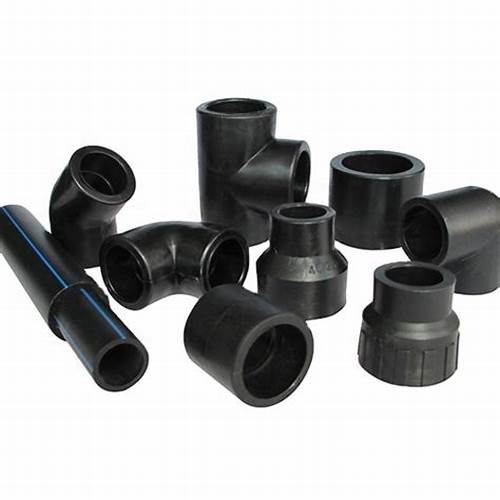
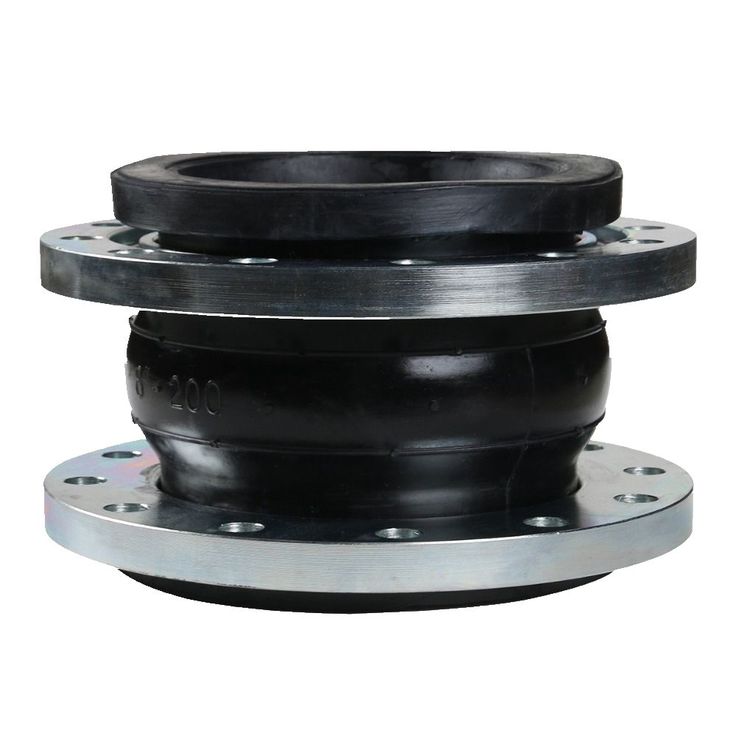
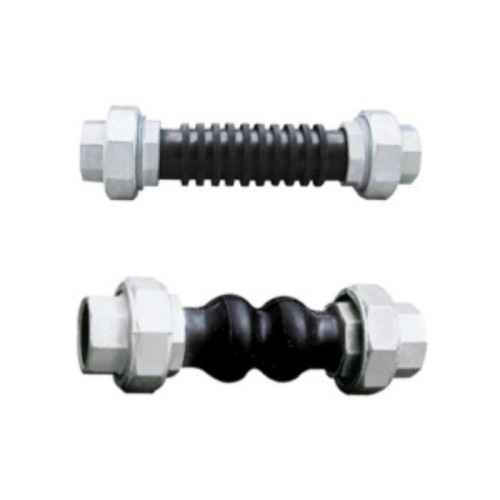
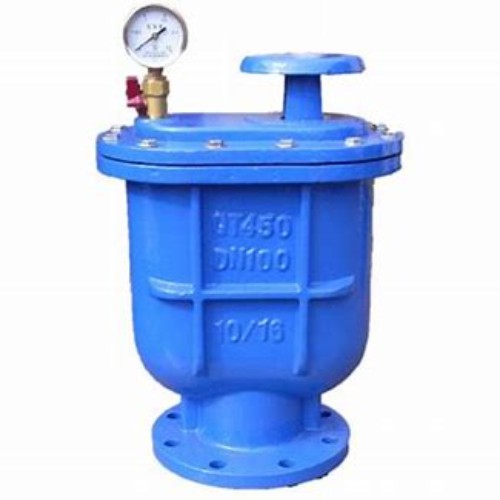
Pipe and pipe fittings are essential components in fluid conveyance systems, serving to transport liquids, gases, and solids in various industrial and commercial applications. Pipes are typically categorized based on their material composition, such as steel, copper, PVC, or other alloys, and are available in different sizes and pressure ratings to accommodate diverse operational requirements. Common types of pipes include seamless pipes, welded pipes, and ductile iron pipes, each offering specific advantages in terms of strength, corrosion resistance, and cost-effectiveness.Pipe fittings, on the other hand, are used to connect, control, and redirect the flow of fluids within the piping system. They come in a wide range of shapes, sizes, and materials to facilitate diverse functions, including elbows, tees, reducers, couplings, and valves. These fittings are crucial for ensuring proper alignment, sealing, and flow control within the piping network, and they are often designed to withstand high pressures, extreme temperatures, and corrosive environments.The selection of pipes and fittings depends on factors such as the nature of the conveyed fluid, operating conditions, system design, and regulatory requirements. Proper installation and maintenance of pipes and fittings are essential to ensure the integrity and efficiency of the fluid conveyance system.

What Is The Difference Between A Pipe And A Fitting?
The main difference between a pipe and a fitting lies in their respective functions within a fluid conveyance system. A pipe is a tubular structure used to transport fluids, gases, or solids from one point to another. It serves as the main conduit for the flow of the substance and is available in various materials, sizes, and pressure ratings to accommodate different operational requirements. Pipes are typically designed to withstand the pressure, temperature, and corrosive nature of the conveyed substance.
On the other hand, a fitting is a component used to connect, control, or adapt the flow within the piping system. Fittings come in a variety of shapes, sizes, and materials and are essential for joining pipes together, changing the direction of flow, regulating the flow rate, or terminating the pipe run. Common types of fittings include elbows, tees, reducers, couplings, and valves, each serving a specific purpose in the fluid conveyance system.In summary, while pipes serve as the primary channels for fluid transport, fittings are auxiliary components that facilitate the proper alignment, connection, and control of the flow within the piping network. Both pipes and fittings are integral to the efficient and safe operation of fluid conveyance systems, and their selection and installation are crucial for ensuring system integrity and performance.












































































