


 Esperanto
 afrikano
 albana
 Amhara
 la araba
 la armena
 Azerbajĝana
 eŭska
eŭska
 Belarusian
 bengala
 bosnia
 bulgaro
 kataluna
 Cebuano
 korsika
 kroata
 ĉeĥa
ĉeĥa
 dana
dana
 nederlanda
 la angla
 estona
 finna
finna
 franca
 frisa
frisa
 galego
 kartvela
 germana
 greka
greka
 Gujaratio
 Haitian Creole
 hausa
hausa
 havajano
 la hebrea
 Ne
Ne
 Miao
Miao
 hungara
 islanda
 igbo
igbo
 indonezia
 irlandano
 itala
itala
 Japanoj
 la javano
 Kannada
 kazaĥo
 ĥmeroj
 Ruando
 korea
korea
 kurda
kurda
 Kirgizoj
 TB
TB
 la latina
 latva
latva
 litova
 luksemburga
 makedona
 Malgashi
 malaja
 la malajala
 malta
malta
 maoria
 Maratio
 mongola
 Mjanmao
 nepala
 norvega
 norvega
 okcitana
 Paŝto
Paŝto
 la persa
 pola
pola
 portugala
 panĝaba
 rumana
 rusa
rusa
 samoano
 Skotgaela
 serba
serba
 la angla
 Ŝona
Ŝona
 Sinda
Sinda
 Sinhala
 la slovaka
 sloveno
 Somalo
 hispana
 Sundanese
 Svahila
 sveda
sveda
 la tagaloga
 taĝiko
 la tamila
 tataro
 la telugua
 tajlanda
 Turka
Turka
 turkmenoj
 ukraina
 Urdu
Urdu
 ujgura
 uzbeko
 vjetnama
 kimra lingvo
 Helpu
Helpu
 jida
jida
 joruboj
 la zulua


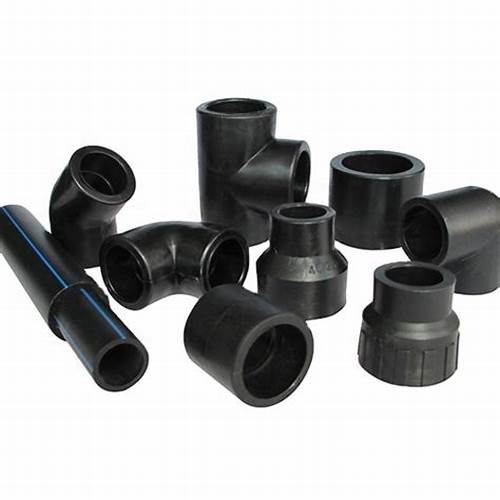
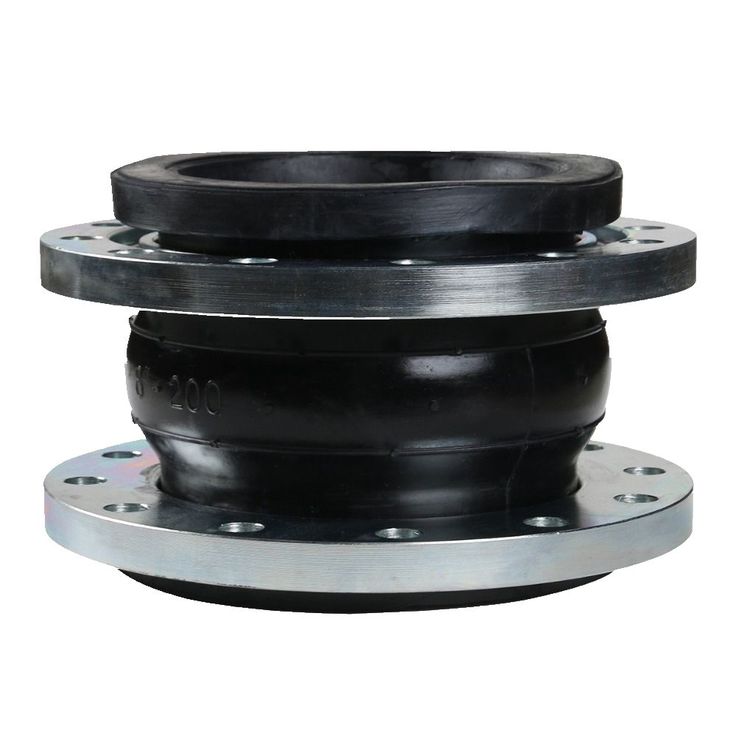
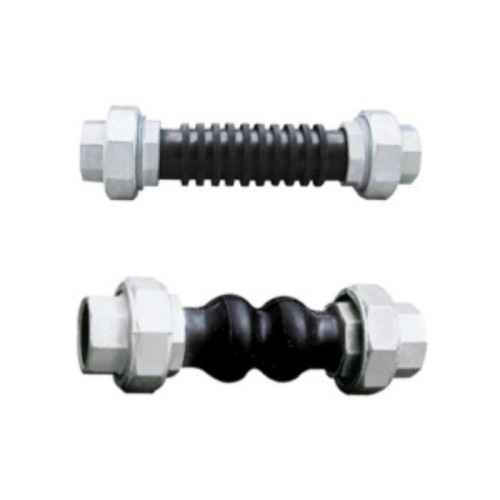
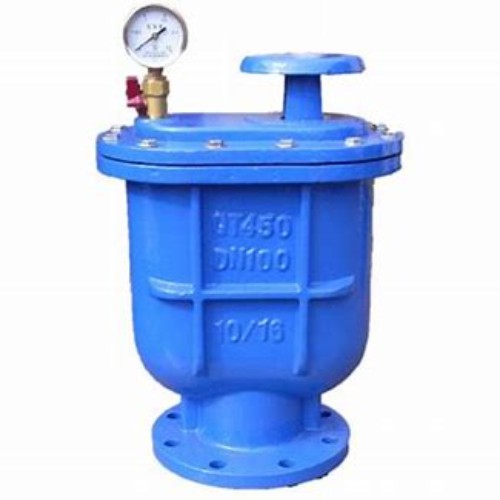
Pipe and pipe fittings are essential components in fluid conveyance systems, serving to transport liquids, gases, and solids in various industrial and commercial applications. Pipes are typically categorized based on their material composition, such as steel, copper, PVC, or other alloys, and are available in different sizes and pressure ratings to accommodate diverse operational requirements. Common types of pipes include seamless pipes, welded pipes, and ductile iron pipes, each offering specific advantages in terms of strength, corrosion resistance, and cost-effectiveness.Pipe fittings, on the other hand, are used to connect, control, and redirect the flow of fluids within the piping system. They come in a wide range of shapes, sizes, and materials to facilitate diverse functions, including elbows, tees, reducers, couplings, and valves. These fittings are crucial for ensuring proper alignment, sealing, and flow control within the piping network, and they are often designed to withstand high pressures, extreme temperatures, and corrosive environments.The selection of pipes and fittings depends on factors such as the nature of the conveyed fluid, operating conditions, system design, and regulatory requirements. Proper installation and maintenance of pipes and fittings are essential to ensure the integrity and efficiency of the fluid conveyance system.

What Is The Difference Between A Pipe And A Fitting?
The main difference between a pipe and a fitting lies in their respective functions within a fluid conveyance system. A pipe is a tubular structure used to transport fluids, gases, or solids from one point to another. It serves as the main conduit for the flow of the substance and is available in various materials, sizes, and pressure ratings to accommodate different operational requirements. Pipes are typically designed to withstand the pressure, temperature, and corrosive nature of the conveyed substance.
On the other hand, a fitting is a component used to connect, control, or adapt the flow within the piping system. Fittings come in a variety of shapes, sizes, and materials and are essential for joining pipes together, changing the direction of flow, regulating the flow rate, or terminating the pipe run. Common types of fittings include elbows, tees, reducers, couplings, and valves, each serving a specific purpose in the fluid conveyance system.In summary, while pipes serve as the primary channels for fluid transport, fittings are auxiliary components that facilitate the proper alignment, connection, and control of the flow within the piping network. Both pipes and fittings are integral to the efficient and safe operation of fluid conveyance systems, and their selection and installation are crucial for ensuring system integrity and performance.












































































