


 Esperanto
 afrikano
 albana
 Amhara
 la araba
 la armena
 Azerbajĝana
 eŭska
eŭska
 Belarusian
 bengala
 bosnia
 bulgaro
 kataluna
 Cebuano
 korsika
 kroata
 ĉeĥa
ĉeĥa
 dana
dana
 nederlanda
 la angla
 estona
 finna
finna
 franca
 frisa
frisa
 galego
 kartvela
 germana
 greka
greka
 Gujaratio
 Haitian Creole
 hausa
hausa
 havajano
 la hebrea
 Ne
Ne
 Miao
Miao
 hungara
 islanda
 igbo
igbo
 indonezia
 irlandano
 itala
itala
 Japanoj
 la javano
 Kannada
 kazaĥo
 ĥmeroj
 Ruando
 korea
korea
 kurda
kurda
 Kirgizoj
 TB
TB
 la latina
 latva
latva
 litova
 luksemburga
 makedona
 Malgashi
 malaja
 la malajala
 malta
malta
 maoria
 Maratio
 mongola
 Mjanmao
 nepala
 norvega
 norvega
 okcitana
 Paŝto
Paŝto
 la persa
 pola
pola
 portugala
 panĝaba
 rumana
 rusa
rusa
 samoano
 Skotgaela
 serba
serba
 la angla
 Ŝona
Ŝona
 Sinda
Sinda
 Sinhala
 la slovaka
 sloveno
 Somalo
 hispana
 Sundanese
 Svahila
 sveda
sveda
 la tagaloga
 taĝiko
 la tamila
 tataro
 la telugua
 tajlanda
 Turka
Turka
 turkmenoj
 ukraina
 Urdu
Urdu
 ujgura
 uzbeko
 vjetnama
 kimra lingvo
 Helpu
Helpu
 jida
jida
 joruboj
 la zulua


Balanced valve, also known as a balancing valve, is a type of valve used in fluid systems to regulate and control the flow of liquids or gases. It is designed to ensure that the flow rates through different branches of a piping system are properly balanced, meaning that the flow is evenly distributed according to the system's design requirements. Balanced valves are commonly used in hydronic heating and cooling systems, as well as in HVAC systems, to maintain optimal flow conditions and to achieve efficient and uniform distribution of the heating or cooling medium. These valves are available in various types, including globe valves, ball valves, and specialized balancing valves, each designed to provide precise flow control and balancing capabilities. The classification of balanced valves is based on factors such as the type of fluid being controlled, the pressure and temperature requirements, and the specific application within the fluid system. Proper selection and installation of balanced valves are essential for ensuring the overall performance, energy efficiency, and reliability of the fluid system.

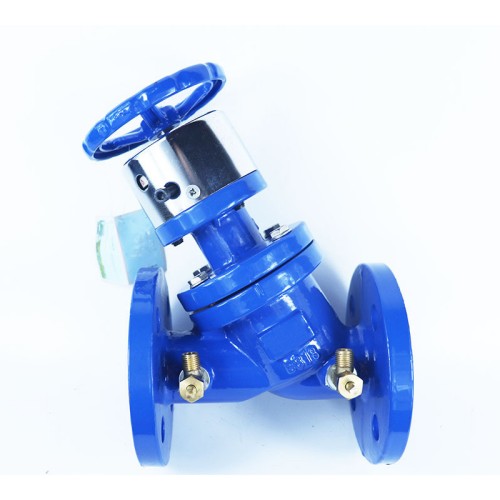

How To Balance A Balancing Valve?
Balancing a balancing valve involves adjusting the valve to ensure that the flow of fluid through the system is properly distributed. Here are the general steps for balancing a balancing valve:
1. Initial Setting: Begin by setting the balancing valve to its initial position, typically fully open or fully closed, depending on the specific valve design and the system requirements.
2. Measure Flow: Use flow measurement devices such as flow meters to determine the actual flow rates through different branches of the system. This step helps identify any imbalances in the flow distribution.
3. Adjust Valve Position: Based on the flow measurements, adjust the position of the balancing valve to regulate the flow through each branch of the system. This may involve partially opening or closing the valve to achieve the desired flow rates.
4. Verify and Fine-Tune: After adjusting the valve position, verify the flow rates again to ensure that the desired balance is achieved. Fine-tune the valve position as needed to achieve the specified flow distribution.
5. Repeat if Necessary: In complex systems or systems with changing operating conditions, the balancing process may need to be repeated periodically to maintain optimal flow balance.
Balancing a balancing valve is essential for ensuring that the flow of fluid through the system is evenly distributed, which helps optimize system performance, energy efficiency, and equipment longevity. Proper balancing also contributes to maintaining consistent temperatures and pressures throughout the system.












































































