


 پښتو
پښتو
 افریقی
 البانیایی
 امهاریک
 عربي
عربي
 ارمانیایی
 اذربایجان
 باسک
باسک
 بلاروسي
 بنګالي
 بوسنیایی
 بلغاریه ایی
 کتالین
 سیبوانو
 کورسیکن
 کرواسین
 چکسلواکي
 دنمارکي
 الماني
 انګلیسي
 ایسپیرینټو
 ایستونین
 فنلینډي
 فرانسوي
 فریزین
 ګالیسي
 ګرجستاني
 جرمني
جرمني
 یوناني
 ګجراتي
 هیتیان کریول
 هوسا
هوسا
 هوایی
هوایی
 عبري
عبري
 نه
نه
 مياو
مياو
 هنګري
هنګري
 ایلینډیک
 igbo
igbo
 انډونیزین
 ایرلینډي
 ایټالیوي
 جاپاني
 جاوه ای
 کناډا
کناډا
 قزاقي
قزاقي
 خمیر
خمیر
 روانډا
 کوریایی
 کرد
کرد
 قرغیزي
 TB
TB
 لاتین
لاتین
 لیتوین
 لیتوانیایی
 لوګزامبورګي
 مقدوني
 ملګاشي
 مالایا
 ملایلم
 مالتیس
 ماوري
ماوري
 مراټي
مراټي
 مغولي
مغولي
 میانمار
 نیپالي
 نارویژي
 نارویژي
 اوکیتین
 فارسي
فارسي
 پولیش
پولیش
 پورتګالي
 پنجابي
 رومانیایی
 روسي
روسي
 سامون
سامون
 سکاټلینډي ګیلیک
 صربي
صربي
 انګلیسي
 شونا
شونا
 سندي
سندي
 سنګال
سنګال
 سلواکي
 سلوانیایی
 سومالیایی
 هسپانیه ایی
 سنډانیز
 سواحلي
 سویډیش یا سویډني
 تګالوګ
 تاجک
تاجک
 تامیل
تامیل
 تاتار
تاتار
 تولیګو
 تای
تای
 ترکي
ترکي
 ترکمني
 اوکرایني
 اردو
اردو
 اویغور
 ازبکي
ازبکي
 ویتنامي
 ولش
ولش
 مرسته
مرسته
 یدیش
یدیش
 یوروبا
 زولو
زولو


Balanced valve, also known as a balancing valve, is a type of valve used in fluid systems to regulate and control the flow of liquids or gases. It is designed to ensure that the flow rates through different branches of a piping system are properly balanced, meaning that the flow is evenly distributed according to the system's design requirements. Balanced valves are commonly used in hydronic heating and cooling systems, as well as in HVAC systems, to maintain optimal flow conditions and to achieve efficient and uniform distribution of the heating or cooling medium. These valves are available in various types, including globe valves, ball valves, and specialized balancing valves, each designed to provide precise flow control and balancing capabilities. The classification of balanced valves is based on factors such as the type of fluid being controlled, the pressure and temperature requirements, and the specific application within the fluid system. Proper selection and installation of balanced valves are essential for ensuring the overall performance, energy efficiency, and reliability of the fluid system.

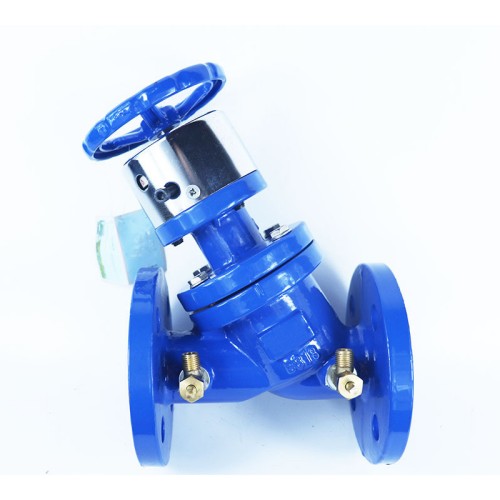

How To Balance A Balancing Valve?
Balancing a balancing valve involves adjusting the valve to ensure that the flow of fluid through the system is properly distributed. Here are the general steps for balancing a balancing valve:
1. Initial Setting: Begin by setting the balancing valve to its initial position, typically fully open or fully closed, depending on the specific valve design and the system requirements.
2. Measure Flow: Use flow measurement devices such as flow meters to determine the actual flow rates through different branches of the system. This step helps identify any imbalances in the flow distribution.
3. Adjust Valve Position: Based on the flow measurements, adjust the position of the balancing valve to regulate the flow through each branch of the system. This may involve partially opening or closing the valve to achieve the desired flow rates.
4. Verify and Fine-Tune: After adjusting the valve position, verify the flow rates again to ensure that the desired balance is achieved. Fine-tune the valve position as needed to achieve the specified flow distribution.
5. Repeat if Necessary: In complex systems or systems with changing operating conditions, the balancing process may need to be repeated periodically to maintain optimal flow balance.
Balancing a balancing valve is essential for ensuring that the flow of fluid through the system is evenly distributed, which helps optimize system performance, energy efficiency, and equipment longevity. Proper balancing also contributes to maintaining consistent temperatures and pressures throughout the system.












































































