


 پښتو
پښتو
 افریقی
 البانیایی
 امهاریک
 عربي
عربي
 ارمانیایی
 اذربایجان
 باسک
باسک
 بلاروسي
 بنګالي
 بوسنیایی
 بلغاریه ایی
 کتالین
 سیبوانو
 کورسیکن
 کرواسین
 چکسلواکي
 دنمارکي
 الماني
 انګلیسي
 ایسپیرینټو
 ایستونین
 فنلینډي
 فرانسوي
 فریزین
 ګالیسي
 ګرجستاني
 جرمني
جرمني
 یوناني
 ګجراتي
 هیتیان کریول
 هوسا
هوسا
 هوایی
هوایی
 عبري
عبري
 نه
نه
 مياو
مياو
 هنګري
هنګري
 ایلینډیک
 igbo
igbo
 انډونیزین
 ایرلینډي
 ایټالیوي
 جاپاني
 جاوه ای
 کناډا
کناډا
 قزاقي
قزاقي
 خمیر
خمیر
 روانډا
 کوریایی
 کرد
کرد
 قرغیزي
 TB
TB
 لاتین
لاتین
 لیتوین
 لیتوانیایی
 لوګزامبورګي
 مقدوني
 ملګاشي
 مالایا
 ملایلم
 مالتیس
 ماوري
ماوري
 مراټي
مراټي
 مغولي
مغولي
 میانمار
 نیپالي
 نارویژي
 نارویژي
 اوکیتین
 فارسي
فارسي
 پولیش
پولیش
 پورتګالي
 پنجابي
 رومانیایی
 روسي
روسي
 سامون
سامون
 سکاټلینډي ګیلیک
 صربي
صربي
 انګلیسي
 شونا
شونا
 سندي
سندي
 سنګال
سنګال
 سلواکي
 سلوانیایی
 سومالیایی
 هسپانیه ایی
 سنډانیز
 سواحلي
 سویډیش یا سویډني
 تګالوګ
 تاجک
تاجک
 تامیل
تامیل
 تاتار
تاتار
 تولیګو
 تای
تای
 ترکي
ترکي
 ترکمني
 اوکرایني
 اردو
اردو
 اویغور
 ازبکي
ازبکي
 ویتنامي
 ولش
ولش
 مرسته
مرسته
 یدیش
یدیش
 یوروبا
 زولو
زولو


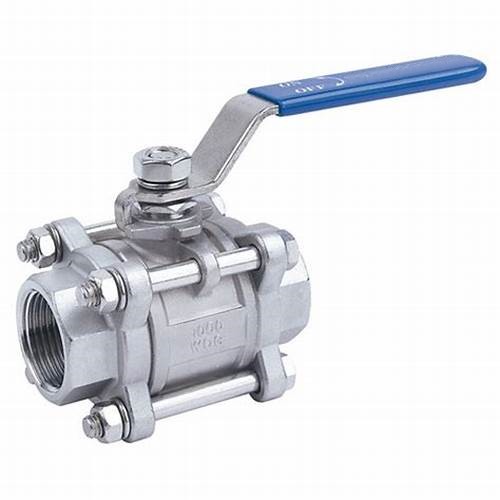
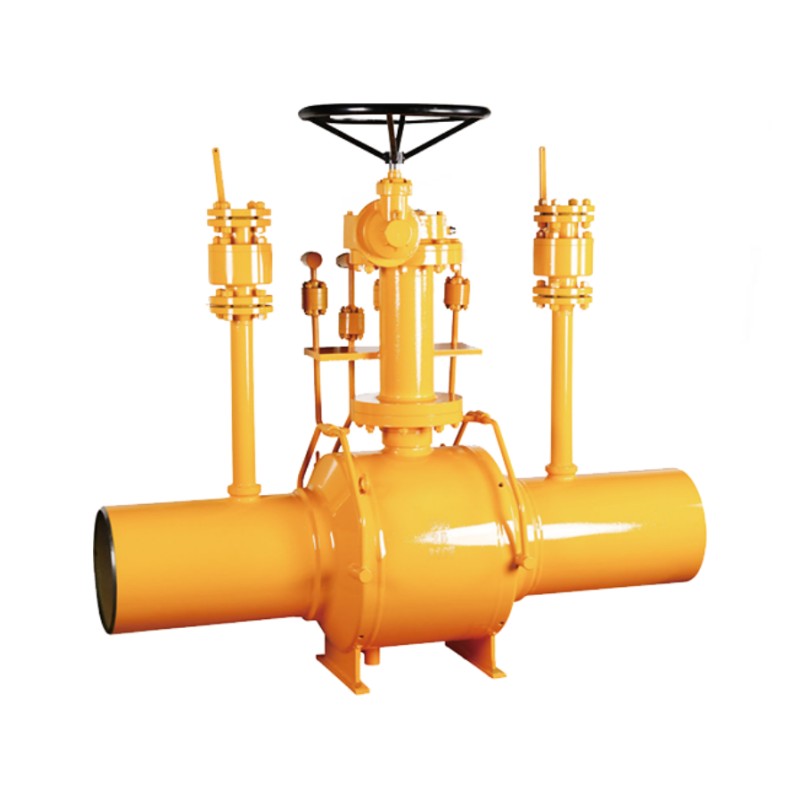
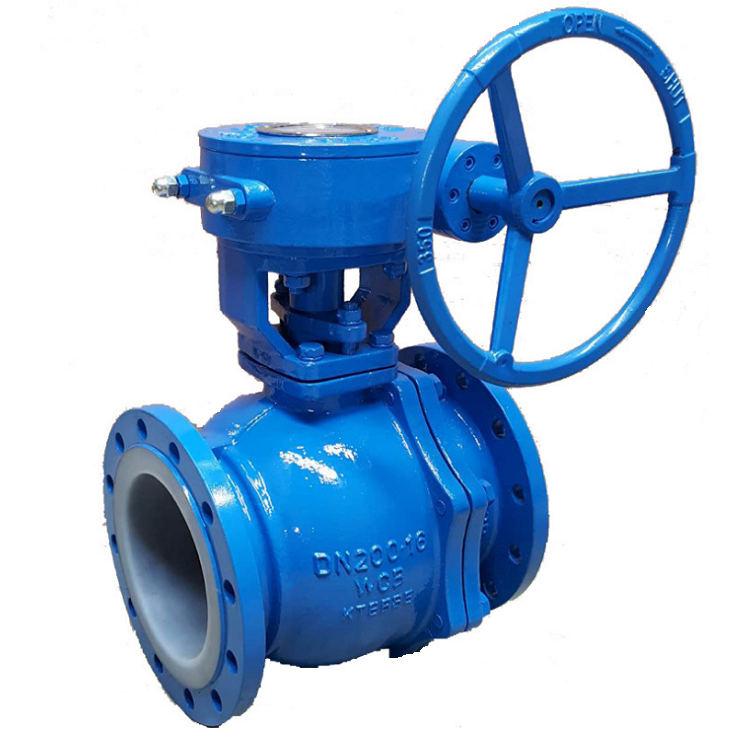
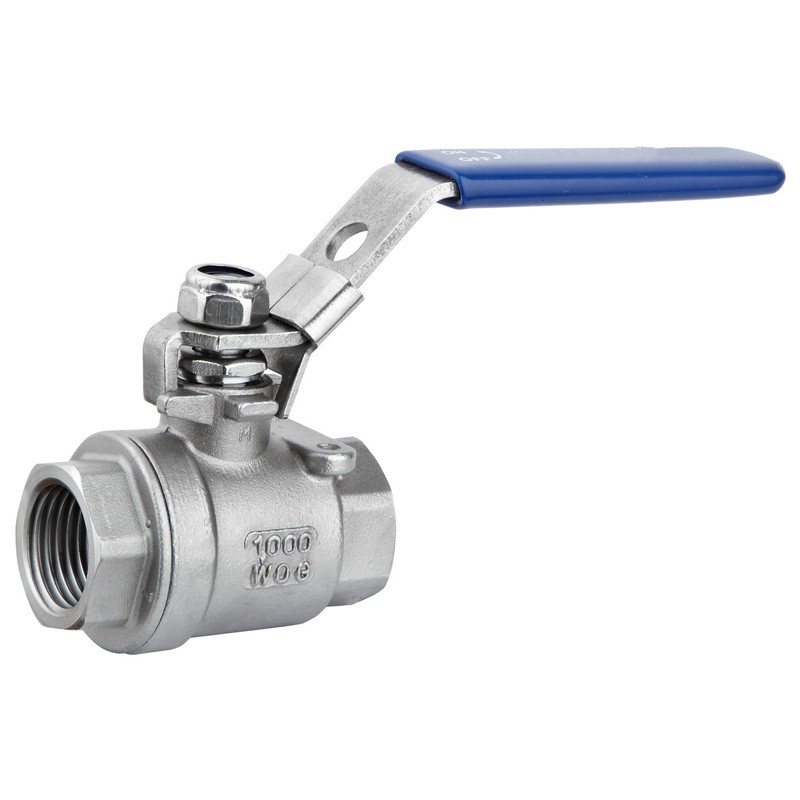
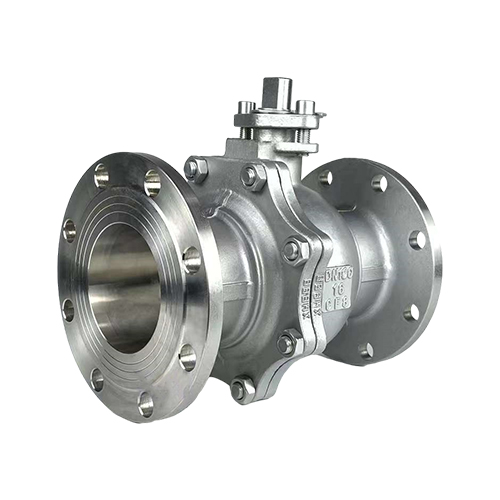
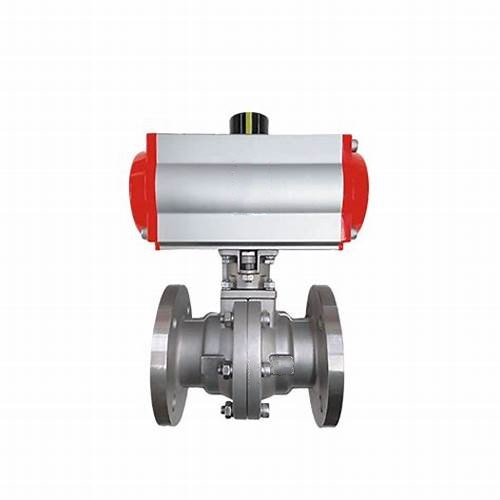
Ball valve is a type of quarter-turn valve that uses a hollow, perforated, and pivoting ball to control the flow of fluid through it. When the valve is in the open position, the ball is rotated 90 degrees by the valve handle, allowing the fluid to pass through the bore. Conversely, when the valve is closed, the ball is rotated back to its original position, blocking the flow of fluid completely. Ball valves are commonly used for on/off control of the flow and are well-suited for applications where quick operation, tight shut-off, and minimal pressure drop are important. They are widely used in various industries, including oil and gas, water and wastewater, chemical processing, and many others, due to their reliability, ease of operation, and versatility. Ball valves are available in various configurations, including floating ball valves and trunnion-mounted ball valves, and they can be constructed from a variety of materials to suit different operating conditions. Overall, ball valves are essential components in fluid control systems where efficient and reliable flow control is required.
What Is The Basic Principle Of A Ball Valve?
The basic principle of a ball valve involves the use of a hollow, perforated ball with a central bore to control the flow of fluid. When the valve is in the open position, the ball is rotated 90 degrees by the valve handle, aligning the bore with the flow path and allowing the fluid to pass through. Conversely, when the valve is closed, the ball is rotated back to its original position, perpendicular to the flow path, blocking the flow of fluid completely. This simple yet effective mechanism provides reliable on/off control of the flow and allows for quick operation with minimal pressure drop. The tight seal provided by the ball when closed ensures that the valve can effectively isolate the flow, making it suitable for a wide range of industrial applications. Ball valves are known for their durability, ease of operation, and versatility, and they are widely used in various industries where efficient and reliable flow control is essential.
Why Use Butterfly Valve Instead Of Gate Valve?
The main difference between a ball valve and a gate valve lies in their internal mechanisms and their respective applications.
A ball valve uses a hollow, perforated ball to control the flow of fluid through it. When the valve is open, the ball is rotated 90 degrees to allow fluid to pass through the bore, and when closed, the ball is rotated back to block the flow completely. Ball valves are primarily designed for on/off control and are well-suited for applications where quick operation, tight shut-off, and minimal pressure drop are important.On the other hand, a gate valve controls the flow of fluid using a gate or wedge that moves up and down to either fully open or fully close the flow path. Gate valves are typically used for on/off service and are not well-suited for regulating flow. They are commonly used in applications where a straight-line flow of fluid and minimal restriction is desired.In summary, the key difference between a ball valve and a gate valve is their internal mechanism and their primary function. Ball valves are designed for quick on/off control with minimal pressure drop, while gate valves are used for fully opening or closing the flow path. The selection between these valves depends on the specific requirements of the application, including factors such as flow control precision, pressure drop considerations, and operational speed.t.












































































