


 日本語
日本語
 アフリカ人
アフリカ人
 アルバニア人
 アムハラ語
アムハラ語
 アラビア語
アラビア語
 アルメニア語
 アゼルバイジャン語
 バスク語
バスク語
 ベラルーシ語
 ベンガル語
ベンガル語
 ボスニア語
ボスニア語
 ブルガリア語
 カタルーニャ語
 セブアノ語
セブアノ語
 コルシカ島
コルシカ島
 クロアチア語
 チェコ語
チェコ語
 デンマーク語
 オランダの
オランダの
 英語
英語
 エスペラント
 エストニア語
 フィンランド語
 フランス語
フランス語
 フリジア語
フリジア語
 ガリシア語
ガリシア語
 ジョージア語
 ドイツ人
ドイツ人
 ギリシャ語
ギリシャ語
 グジャラート語
 ハイチ クレオール
 ハウサ語
ハウサ語
 ハワイアン
ハワイアン
 ヘブライ語
ヘブライ語
 いいえ
いいえ
 ミャオ族
ミャオ族
 ハンガリー語
 アイスランド語
 イボ語
イボ語
 インドネシア語
 アイルランド人
 イタリアの
イタリアの
 ジャワ語
ジャワ語
 カンナダ語
カンナダ語
 カザフ語
カザフ語
 クメール語
クメール語
 ルワンダ語
ルワンダ語
 韓国語
韓国語
 クルド
クルド
 キルギス
キルギス
 結核
結核
 ラテン
ラテン
 ラトビア語
ラトビア語
 リトアニア語
 ルクセンブルク語
 マケドニアの
 マルガシ
マルガシ
 マレー語
マレー語
 マラヤーラム語
 マルタ語
マルタ語
 マオリ語
マオリ語
 マラーティー語
 モンゴル語
モンゴル語
 ミャンマー
ミャンマー
 ネパール語
ネパール語
 ノルウェー語
 ノルウェー語
 オック語
オック語
 パシュトゥー語
 ペルシア語
ペルシア語
 研磨
研磨
 ポルトガル語
 パンジャブ語
 ルーマニア語
 ロシア
ロシア
 サモア語
サモア語
 スコットランド・ゲール語
 セルビア語
セルビア語
 英語
英語
 ショナ
ショナ
 シンド語
シンド語
 シンハラ語
シンハラ語
 スロバキア語
 スロベニア語
 ソマリ語
ソマリ語
 スペイン語
スペイン語
 スンダ人
スンダ人
 スワヒリ語
スワヒリ語
 スウェーデンの
 タガログ語
タガログ語
 タジク語
タジク語
 タミル語
タミル語
 タタール語
タタール語
 テルグ語
テルグ語
 タイ語
タイ語
 トルコ語
トルコ語
 トルクメン語
 ウクライナ語
 ウルドゥー語
 ウイグル語
ウイグル語
 ウズベク語
ウズベク語
 ベトナム語
ベトナム語
 ウェールズ語
 ヘルプ
ヘルプ
 イディッシュ語
 ヨルバ語
ヨルバ語
 ズールー語
ズールー語


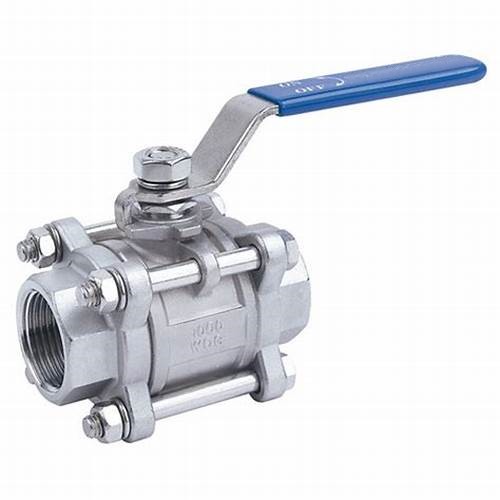
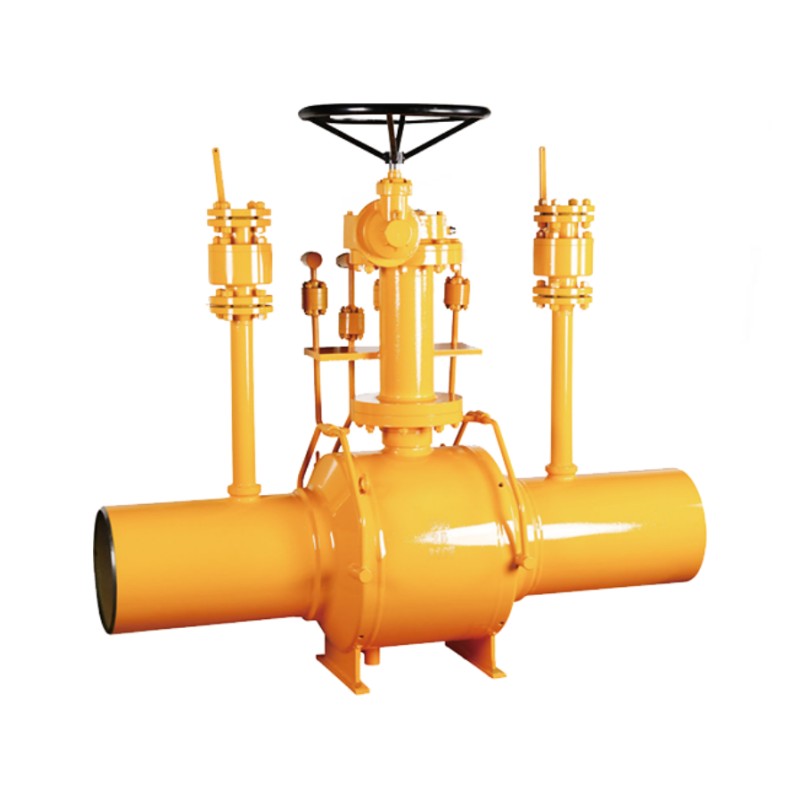
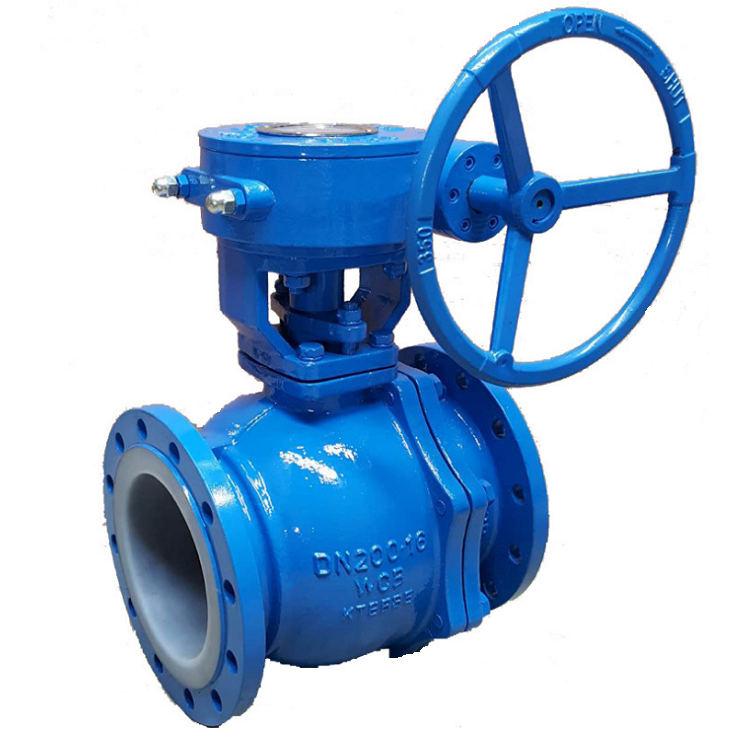
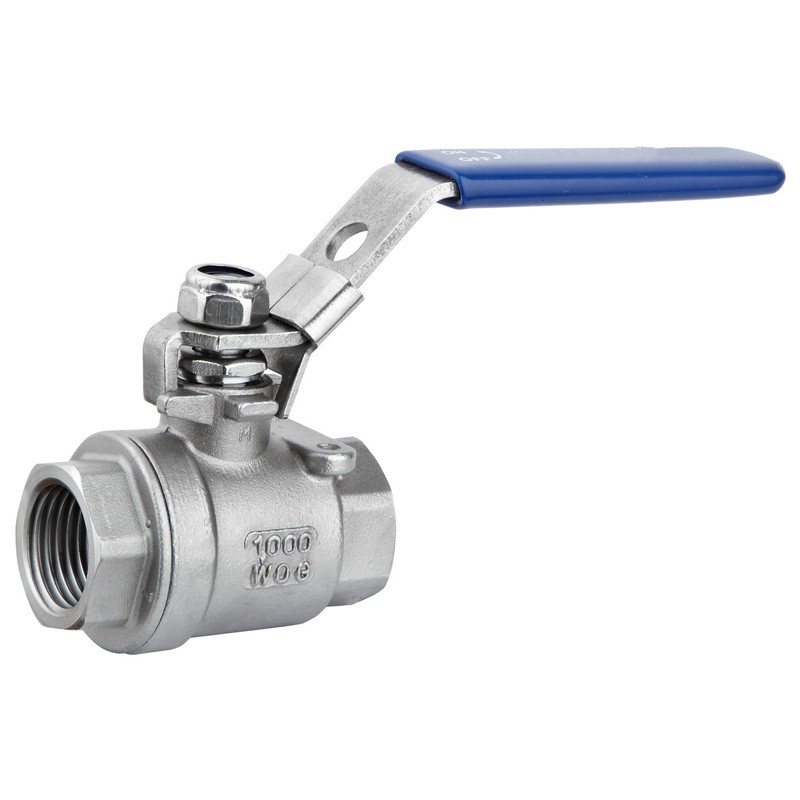
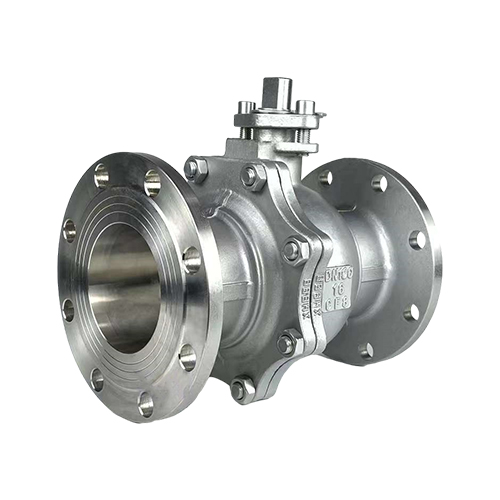
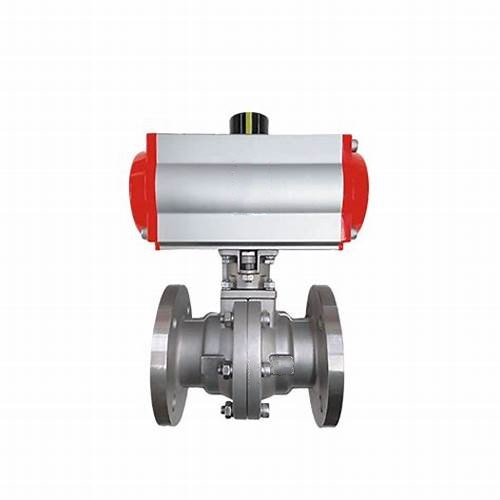
Ball valve is a type of quarter-turn valve that uses a hollow, perforated, and pivoting ball to control the flow of fluid through it. When the valve is in the open position, the ball is rotated 90 degrees by the valve handle, allowing the fluid to pass through the bore. Conversely, when the valve is closed, the ball is rotated back to its original position, blocking the flow of fluid completely. Ball valves are commonly used for on/off control of the flow and are well-suited for applications where quick operation, tight shut-off, and minimal pressure drop are important. They are widely used in various industries, including oil and gas, water and wastewater, chemical processing, and many others, due to their reliability, ease of operation, and versatility. Ball valves are available in various configurations, including floating ball valves and trunnion-mounted ball valves, and they can be constructed from a variety of materials to suit different operating conditions. Overall, ball valves are essential components in fluid control systems where efficient and reliable flow control is required.
What Is The Basic Principle Of A Ball Valve?
The basic principle of a ball valve involves the use of a hollow, perforated ball with a central bore to control the flow of fluid. When the valve is in the open position, the ball is rotated 90 degrees by the valve handle, aligning the bore with the flow path and allowing the fluid to pass through. Conversely, when the valve is closed, the ball is rotated back to its original position, perpendicular to the flow path, blocking the flow of fluid completely. This simple yet effective mechanism provides reliable on/off control of the flow and allows for quick operation with minimal pressure drop. The tight seal provided by the ball when closed ensures that the valve can effectively isolate the flow, making it suitable for a wide range of industrial applications. Ball valves are known for their durability, ease of operation, and versatility, and they are widely used in various industries where efficient and reliable flow control is essential.
Why Use Butterfly Valve Instead Of Gate Valve?
The main difference between a ball valve and a gate valve lies in their internal mechanisms and their respective applications.
A ball valve uses a hollow, perforated ball to control the flow of fluid through it. When the valve is open, the ball is rotated 90 degrees to allow fluid to pass through the bore, and when closed, the ball is rotated back to block the flow completely. Ball valves are primarily designed for on/off control and are well-suited for applications where quick operation, tight shut-off, and minimal pressure drop are important.On the other hand, a gate valve controls the flow of fluid using a gate or wedge that moves up and down to either fully open or fully close the flow path. Gate valves are typically used for on/off service and are not well-suited for regulating flow. They are commonly used in applications where a straight-line flow of fluid and minimal restriction is desired.In summary, the key difference between a ball valve and a gate valve is their internal mechanism and their primary function. Ball valves are designed for quick on/off control with minimal pressure drop, while gate valves are used for fully opening or closing the flow path. The selection between these valves depends on the specific requirements of the application, including factors such as flow control precision, pressure drop considerations, and operational speed.t.












































































