


 日本語
日本語
 アフリカ人
アフリカ人
 アルバニア人
 アムハラ語
アムハラ語
 アラビア語
アラビア語
 アルメニア語
 アゼルバイジャン語
 バスク語
バスク語
 ベラルーシ語
 ベンガル語
ベンガル語
 ボスニア語
ボスニア語
 ブルガリア語
 カタルーニャ語
 セブアノ語
セブアノ語
 コルシカ島
コルシカ島
 クロアチア語
 チェコ語
チェコ語
 デンマーク語
 オランダの
オランダの
 英語
英語
 エスペラント
 エストニア語
 フィンランド語
 フランス語
フランス語
 フリジア語
フリジア語
 ガリシア語
ガリシア語
 ジョージア語
 ドイツ人
ドイツ人
 ギリシャ語
ギリシャ語
 グジャラート語
 ハイチ クレオール
 ハウサ語
ハウサ語
 ハワイアン
ハワイアン
 ヘブライ語
ヘブライ語
 いいえ
いいえ
 ミャオ族
ミャオ族
 ハンガリー語
 アイスランド語
 イボ語
イボ語
 インドネシア語
 アイルランド人
 イタリアの
イタリアの
 ジャワ語
ジャワ語
 カンナダ語
カンナダ語
 カザフ語
カザフ語
 クメール語
クメール語
 ルワンダ語
ルワンダ語
 韓国語
韓国語
 クルド
クルド
 キルギス
キルギス
 結核
結核
 ラテン
ラテン
 ラトビア語
ラトビア語
 リトアニア語
 ルクセンブルク語
 マケドニアの
 マルガシ
マルガシ
 マレー語
マレー語
 マラヤーラム語
 マルタ語
マルタ語
 マオリ語
マオリ語
 マラーティー語
 モンゴル語
モンゴル語
 ミャンマー
ミャンマー
 ネパール語
ネパール語
 ノルウェー語
 ノルウェー語
 オック語
オック語
 パシュトゥー語
 ペルシア語
ペルシア語
 研磨
研磨
 ポルトガル語
 パンジャブ語
 ルーマニア語
 ロシア
ロシア
 サモア語
サモア語
 スコットランド・ゲール語
 セルビア語
セルビア語
 英語
英語
 ショナ
ショナ
 シンド語
シンド語
 シンハラ語
シンハラ語
 スロバキア語
 スロベニア語
 ソマリ語
ソマリ語
 スペイン語
スペイン語
 スンダ人
スンダ人
 スワヒリ語
スワヒリ語
 スウェーデンの
 タガログ語
タガログ語
 タジク語
タジク語
 タミル語
タミル語
 タタール語
タタール語
 テルグ語
テルグ語
 タイ語
タイ語
 トルコ語
トルコ語
 トルクメン語
 ウクライナ語
 ウルドゥー語
 ウイグル語
ウイグル語
 ウズベク語
ウズベク語
 ベトナム語
ベトナム語
 ウェールズ語
 ヘルプ
ヘルプ
 イディッシュ語
 ヨルバ語
ヨルバ語
 ズールー語
ズールー語


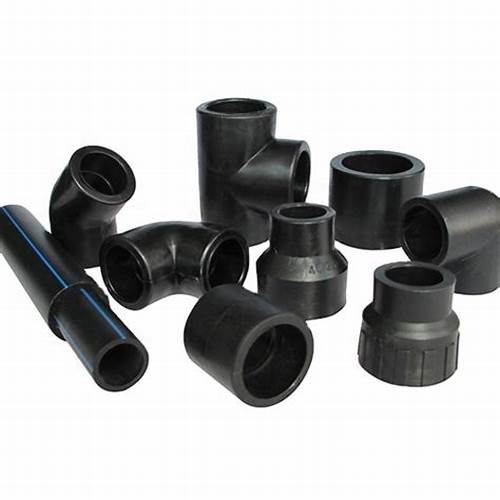
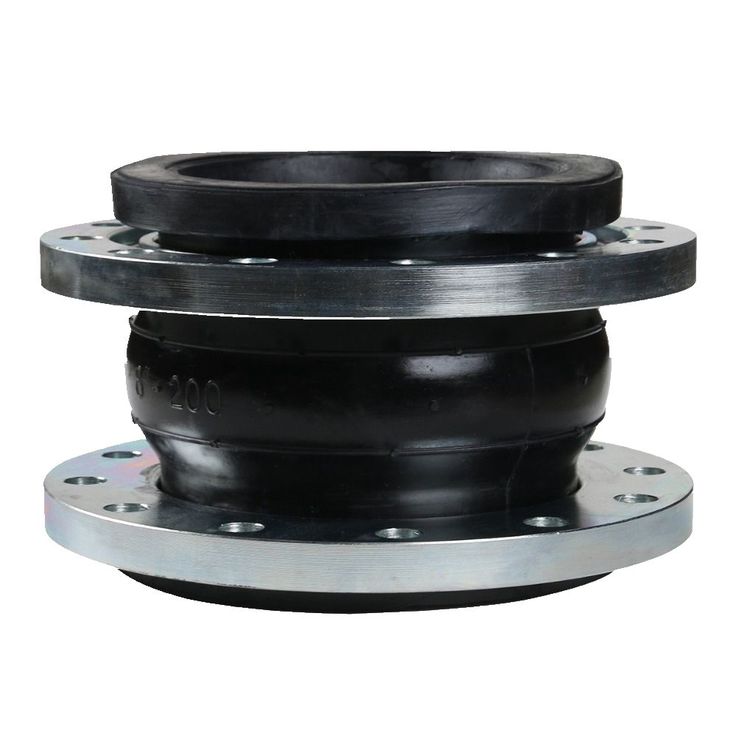
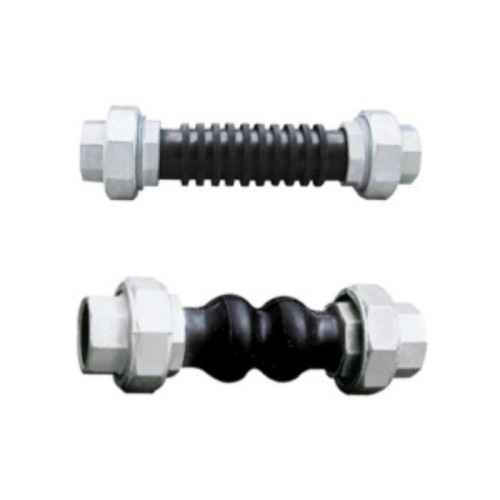
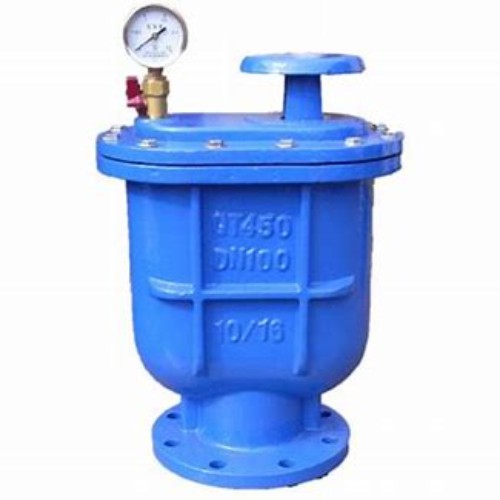
Pipe and pipe fittings are essential components in fluid conveyance systems, serving to transport liquids, gases, and solids in various industrial and commercial applications. Pipes are typically categorized based on their material composition, such as steel, copper, PVC, or other alloys, and are available in different sizes and pressure ratings to accommodate diverse operational requirements. Common types of pipes include seamless pipes, welded pipes, and ductile iron pipes, each offering specific advantages in terms of strength, corrosion resistance, and cost-effectiveness.Pipe fittings, on the other hand, are used to connect, control, and redirect the flow of fluids within the piping system. They come in a wide range of shapes, sizes, and materials to facilitate diverse functions, including elbows, tees, reducers, couplings, and valves. These fittings are crucial for ensuring proper alignment, sealing, and flow control within the piping network, and they are often designed to withstand high pressures, extreme temperatures, and corrosive environments.The selection of pipes and fittings depends on factors such as the nature of the conveyed fluid, operating conditions, system design, and regulatory requirements. Proper installation and maintenance of pipes and fittings are essential to ensure the integrity and efficiency of the fluid conveyance system.

What Is The Difference Between A Pipe And A Fitting?
The main difference between a pipe and a fitting lies in their respective functions within a fluid conveyance system. A pipe is a tubular structure used to transport fluids, gases, or solids from one point to another. It serves as the main conduit for the flow of the substance and is available in various materials, sizes, and pressure ratings to accommodate different operational requirements. Pipes are typically designed to withstand the pressure, temperature, and corrosive nature of the conveyed substance.
On the other hand, a fitting is a component used to connect, control, or adapt the flow within the piping system. Fittings come in a variety of shapes, sizes, and materials and are essential for joining pipes together, changing the direction of flow, regulating the flow rate, or terminating the pipe run. Common types of fittings include elbows, tees, reducers, couplings, and valves, each serving a specific purpose in the fluid conveyance system.In summary, while pipes serve as the primary channels for fluid transport, fittings are auxiliary components that facilitate the proper alignment, connection, and control of the flow within the piping network. Both pipes and fittings are integral to the efficient and safe operation of fluid conveyance systems, and their selection and installation are crucial for ensuring system integrity and performance.












































































