


 Slovenščina
 Afriški
 albanski
 amharščina
 arabsko
 armenski
 azerbajdžanski
 baskovščina
 beloruski
 bengalščina
 bosanski
 bolgarščina
 katalonski
 Cebuano
 korziški
 hrvaško
 češki
češki
 danščina
 nizozemščina
 angleščina
 Esperanto
 estonski
 finščina
 francosko
 frizijščina
 galicijski
 gruzijski
 nemški
 grški
grški
 gudžaratščina
 haitska kreolščina
 hiša
hiša
 havajski
 hebrejščina
 ne
ne
 Miao
Miao
 madžarski
 islandski
 igbo
igbo
 indonezijski
 irski
irski
 italijanščina
 japonska
 javanska
 kanadščina
 kazahstanski
 kmerski
 ruandski
 korejščina
 kurdski
 Kirgiz
 TB
TB
 latinsko
 latvijščina
 litovski
 luksemburški
 makedonski
 Malgaši
 malajščina
 malajalamščina
 maltežan
 maorski
 maratščina
 mongolski
 Mjanmar
 nepalsko
 norveški
 norveški
 okcitanščina
 paštu
paštu
 perzijsko
 poljski
 portugalščina
 pandžabščina
 romunščina
 ruski
ruski
 samoanska
 škotska gelščina
 srbsko
 angleščina
 Shona
Shona
 Sindhi
 singalščina
 slovaški
 somalski
 španski
 sundanski
 svahili
 švedščina
 Tagalog
 tadžikistanski
 tamilščina
 tatarščina
 telugu
 tajska
 turško
 turkmenski
 ukrajinski
 urdu
urdu
 ujgurski
 Uzbek
Uzbek
 vietnamski
 valižanščina
 pomoč
pomoč
 jidiš
jidiš
 joruba
 Zulu
Zulu


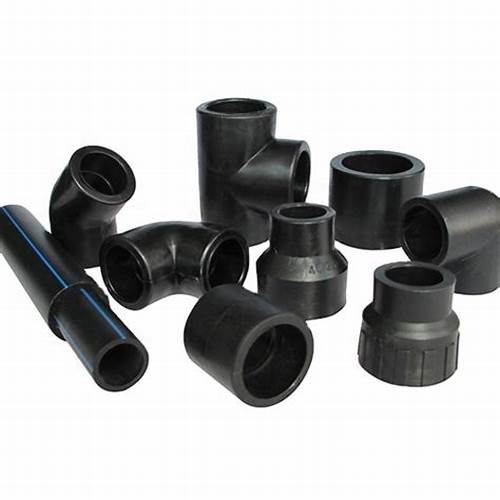
Pipe and pipe fittings are essential components in fluid conveyance systems, serving to transport liquids, gases, and solids in various industrial and commercial applications. Pipes are typically categorized based on their material composition, such as steel, copper, PVC, or other alloys, and are available in different sizes and pressure ratings to accommodate diverse operational requirements. Common types of pipes include seamless pipes, welded pipes, and ductile iron pipes, each offering specific advantages in terms of strength, corrosion resistance, and cost-effectiveness.Pipe fittings, on the other hand, are used to connect, control, and redirect the flow of fluids within the piping system. They come in a wide range of shapes, sizes, and materials to facilitate diverse functions, including elbows, tees, reducers, couplings, and valves. These fittings are crucial for ensuring proper alignment, sealing, and flow control within the piping network, and they are often designed to withstand high pressures, extreme temperatures, and corrosive environments.The selection of pipes and fittings depends on factors such as the nature of the conveyed fluid, operating conditions, system design, and regulatory requirements. Proper installation and maintenance of pipes and fittings are essential to ensure the integrity and efficiency of the fluid conveyance system.

What Is The Difference Between A Pipe And A Fitting?
The main difference between a pipe and a fitting lies in their respective functions within a fluid conveyance system. A pipe is a tubular structure used to transport fluids, gases, or solids from one point to another. It serves as the main conduit for the flow of the substance and is available in various materials, sizes, and pressure ratings to accommodate different operational requirements. Pipes are typically designed to withstand the pressure, temperature, and corrosive nature of the conveyed substance.
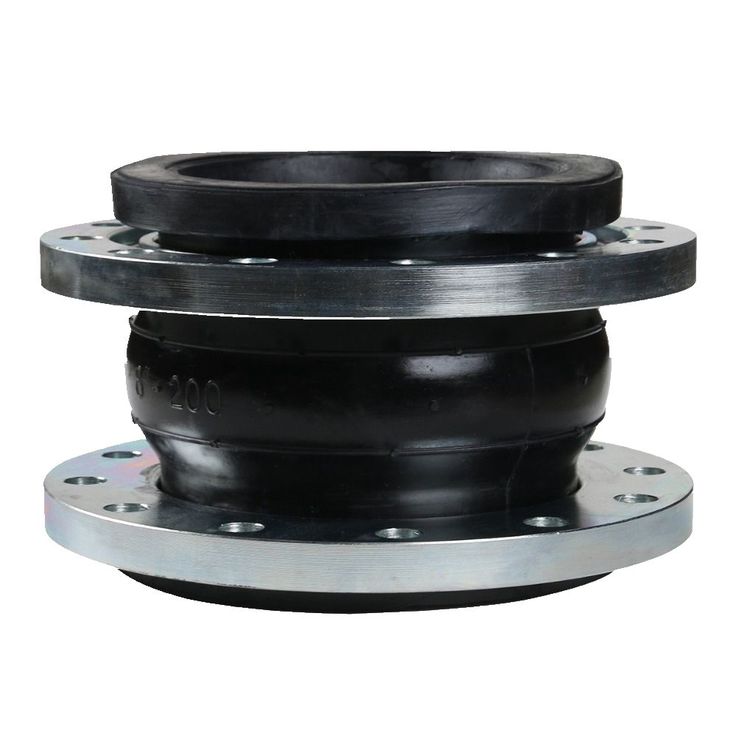
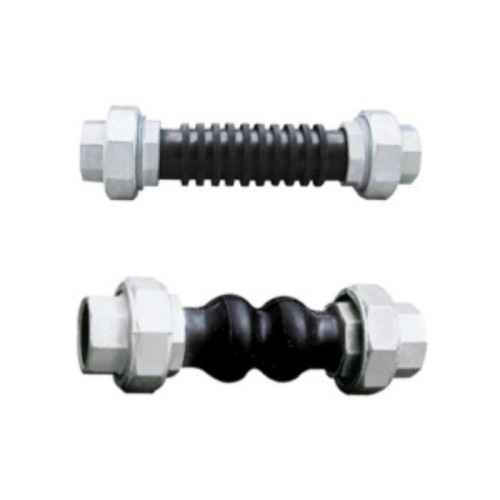
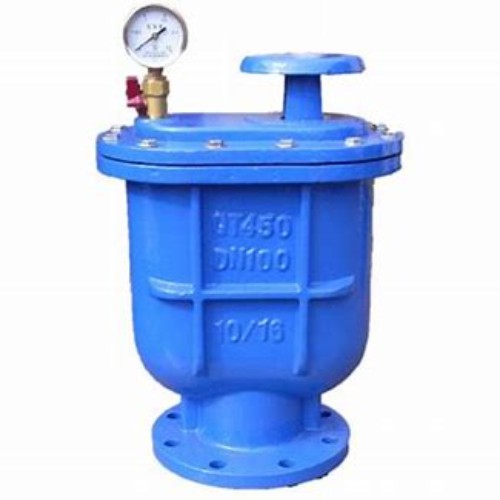
On the other hand, a fitting is a component used to connect, control, or adapt the flow within the piping system. Fittings come in a variety of shapes, sizes, and materials and are essential for joining pipes together, changing the direction of flow, regulating the flow rate, or terminating the pipe run. Common types of fittings include elbows, tees, reducers, couplings, and valves, each serving a specific purpose in the fluid conveyance system.In summary, while pipes serve as the primary channels for fluid transport, fittings are auxiliary components that facilitate the proper alignment, connection, and control of the flow within the piping network. Both pipes and fittings are integral to the efficient and safe operation of fluid conveyance systems, and their selection and installation are crucial for ensuring system integrity and performance.












































































