


 แบบไทย
 แอฟริกัน
 แอลเบเนีย
 อัมฮาริก
 ภาษาอาหรับ
 อาร์เมเนีย
 อาเซอร์ไบจัน
 บาสก์
บาสก์
 เบลารุส
 เบงกาลี
 บอสเนีย
 บัลแกเรีย
 คาตาลัน
 เซบู
เซบู
 คอร์ซิกา
 โครเอเชีย
 เช็ก
เช็ก
 ภาษาเดนมาร์ก
 ภาษาดัตช์
 ภาษาอังกฤษ
 เอสเปรันโต
 เอสโตเนีย
 ภาษาฟินแลนด์
 ภาษาฝรั่งเศส
 ฟริเซียน
 กาลิเซีย
 จอร์เจีย
 เยอรมัน
 กรีก
กรีก
 คุชราต
 ชาวเฮติครีโอล
 เฮาซา
เฮาซา
 ฮาวาย
ฮาวาย
 ภาษาฮีบรู
 ไม่
ไม่
 แม้ว
แม้ว
 ภาษาฮังการี
 ไอซ์แลนด์
 อิกโบ
อิกโบ
 ชาวอินโดนีเซีย
 ไอริช
ไอริช
 ภาษาอิตาลี
 ญี่ปุ่น
 ชวา
ชวา
 กันนาดา
 คาซัค
คาซัค
 เขมร
เขมร
 รวันดา
 เกาหลี
 เคิร์ด
 คีร์กีซ
 วัณโรค
 ละติน
ละติน
 ลัตเวีย
 ลิทัวเนีย
 ภาษาลักเซมเบิร์ก
 มาซิโดเนีย
 มัลกาชิ
 มาเลย์
 มาลายาลัม
 ภาษามอลตา
 ชาวเมารี
 ภาษามราฐี
 มองโกเลีย
 พม่า
พม่า
 เนปาล
เนปาล
 ภาษานอร์เวย์
 ภาษานอร์เวย์
 อ็อกซิตัน
 ปาสโต้
 เปอร์เซีย
 ขัด
ขัด
 โปรตุเกส
 ปัญจาบ
 โรมาเนีย
 ภาษารัสเซีย
 ซามัว
ซามัว
 เกลิคสก๊อตแลนด์
 เซอร์เบีย
 ภาษาอังกฤษ
 โชนา
โชนา
 สินธี
สินธี
 สิงหล
สิงหล
 สโลวัก
 ภาษาสโลเวเนีย
 โซมาเลีย
 สเปน
สเปน
 ซุนดา
ซุนดา
 สวาฮีลี
 ภาษาสวีเดน
 ตากาล็อก
 ทาจิกิสถาน
 ทมิฬ
ทมิฬ
 ตาตาร์
 เตลูกู
 ภาษาตุรกี
 เติร์กเมนิสถาน
 ภาษายูเครน
 ภาษาอูรดู
 อุยกูร์
 อุซเบก
 ภาษาเวียดนาม
 เวลส์
เวลส์
 ช่วย
ช่วย
 ภาษายิดดิช
 โยรูบา
 ซูลู
ซูลู


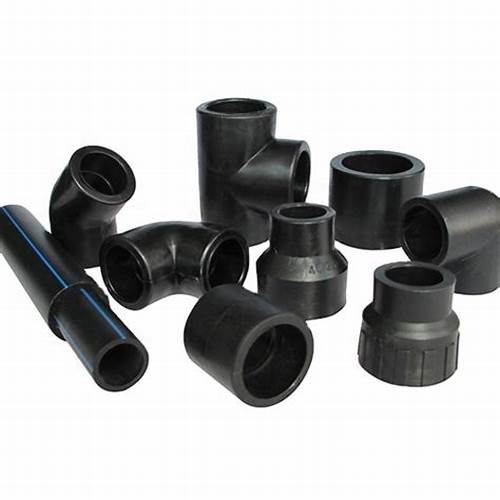
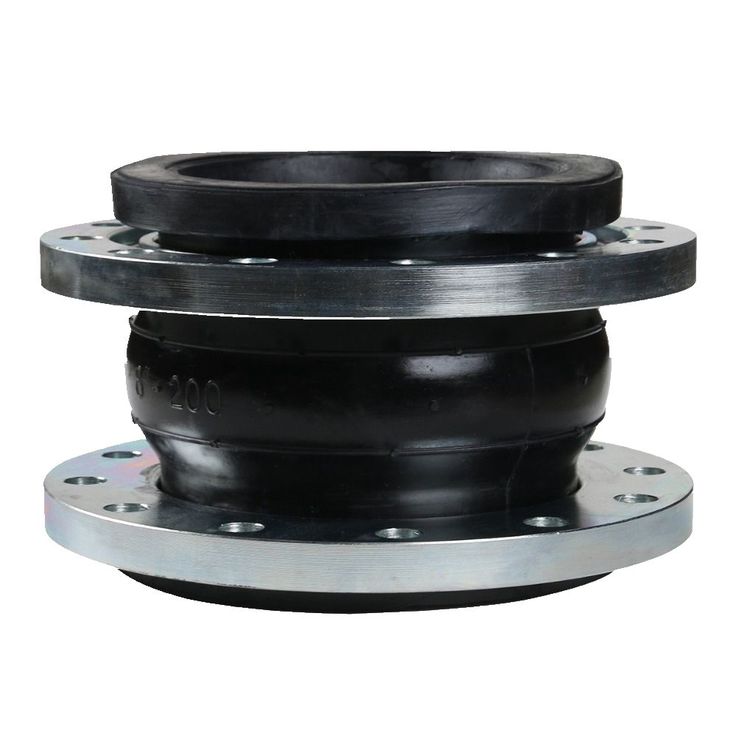
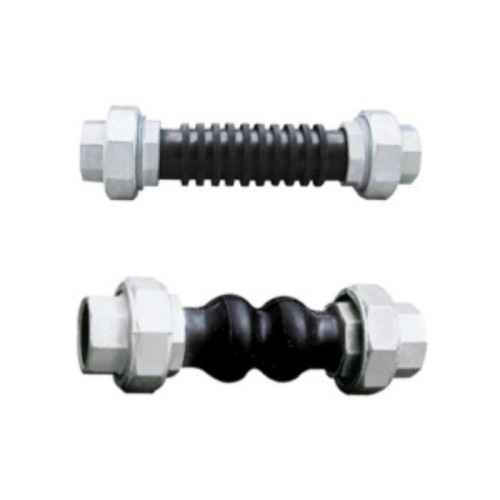
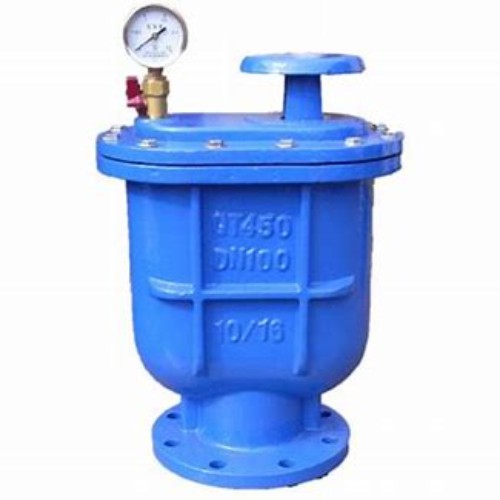
Pipe and pipe fittings are essential components in fluid conveyance systems, serving to transport liquids, gases, and solids in various industrial and commercial applications. Pipes are typically categorized based on their material composition, such as steel, copper, PVC, or other alloys, and are available in different sizes and pressure ratings to accommodate diverse operational requirements. Common types of pipes include seamless pipes, welded pipes, and ductile iron pipes, each offering specific advantages in terms of strength, corrosion resistance, and cost-effectiveness.Pipe fittings, on the other hand, are used to connect, control, and redirect the flow of fluids within the piping system. They come in a wide range of shapes, sizes, and materials to facilitate diverse functions, including elbows, tees, reducers, couplings, and valves. These fittings are crucial for ensuring proper alignment, sealing, and flow control within the piping network, and they are often designed to withstand high pressures, extreme temperatures, and corrosive environments.The selection of pipes and fittings depends on factors such as the nature of the conveyed fluid, operating conditions, system design, and regulatory requirements. Proper installation and maintenance of pipes and fittings are essential to ensure the integrity and efficiency of the fluid conveyance system.

What Is The Difference Between A Pipe And A Fitting?
The main difference between a pipe and a fitting lies in their respective functions within a fluid conveyance system. A pipe is a tubular structure used to transport fluids, gases, or solids from one point to another. It serves as the main conduit for the flow of the substance and is available in various materials, sizes, and pressure ratings to accommodate different operational requirements. Pipes are typically designed to withstand the pressure, temperature, and corrosive nature of the conveyed substance.
On the other hand, a fitting is a component used to connect, control, or adapt the flow within the piping system. Fittings come in a variety of shapes, sizes, and materials and are essential for joining pipes together, changing the direction of flow, regulating the flow rate, or terminating the pipe run. Common types of fittings include elbows, tees, reducers, couplings, and valves, each serving a specific purpose in the fluid conveyance system.In summary, while pipes serve as the primary channels for fluid transport, fittings are auxiliary components that facilitate the proper alignment, connection, and control of the flow within the piping network. Both pipes and fittings are integral to the efficient and safe operation of fluid conveyance systems, and their selection and installation are crucial for ensuring system integrity and performance.












































































