


 kiswahili
 Mwafrika
 Kialbeni
 Kiamhari
 Kiarabu
 Kiarmenia
 Kiazabajani
 Kibasque
 Kibelarusi
 Kibengali
 Kibosnia
 Kibulgaria
 Kikatalani
 Cebuano
 Kikosikani
 Kikroeshia
 Kicheki
 Kideni
 Kiholanzi
 Kiingereza
 Kiesperanto
 Kiestonia
 Kifini
 Kifaransa
 Kifrisia
 Kigalisia
 Kijojiajia
 Kijerumani
 Kigiriki
 Kigujarati
 Krioli ya Haiti
 hausa
hausa
 Kihawai
 Kiebrania
 Hapana
 Miao
Miao
 Kihungaria
 Kiaislandi
 igbo
igbo
 Kiindonesia
 irish
irish
 Kiitaliano
 Kijapani
 Kijava
 Kikanada
 kazakh
 Khmer
Khmer
 Mnyarwanda
 Kikorea
 Kikurdi
 Kirigizi
 TB
TB
 Kilatini
 Kilatvia
 Kilithuania
 Kilasembagi
 Kimasedonia
 Malgashi
 Kimalei
 Kimalayalam
 Kimalta
 Kimaori
 Marathi
 Kimongolia
 Myanmar
 Kinepali
 Kinorwe
 Kinorwe
 Oksitani
 Kipashto
 Kiajemi
 Kipolandi
 Kireno
 Kipunjabi
 Kiromania
 Kirusi
 Kisamoa
 Kigaeli cha Kiskoti
 Kiserbia
 Kiingereza
 Kishona
 Kisindhi
 Kisinhala
 Kislovakia
 Kislovenia
 Msomali
 Kihispania
 Kisunda
 Kiswidi
 Kitagalogi
 Tajiki
 Kitamil
 Kitatari
 Kitelugu
 Thai
Thai
 Kituruki
 Waturukimeni
 Kiukreni
 Kiurdu
 Uighur
 Kiuzbeki
 Kivietinamu
 Kiwelisi
 Msaada
 Kiyidi
 Kiyoruba
 Kizulu


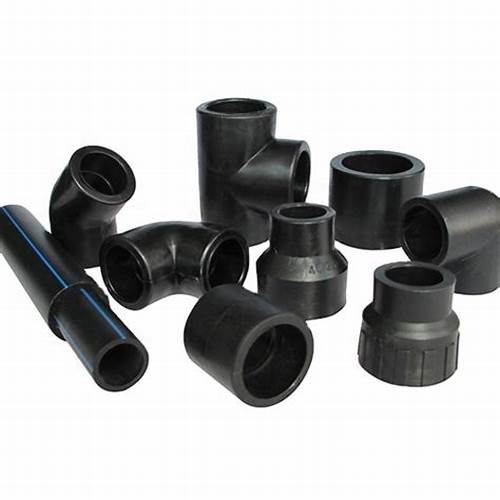
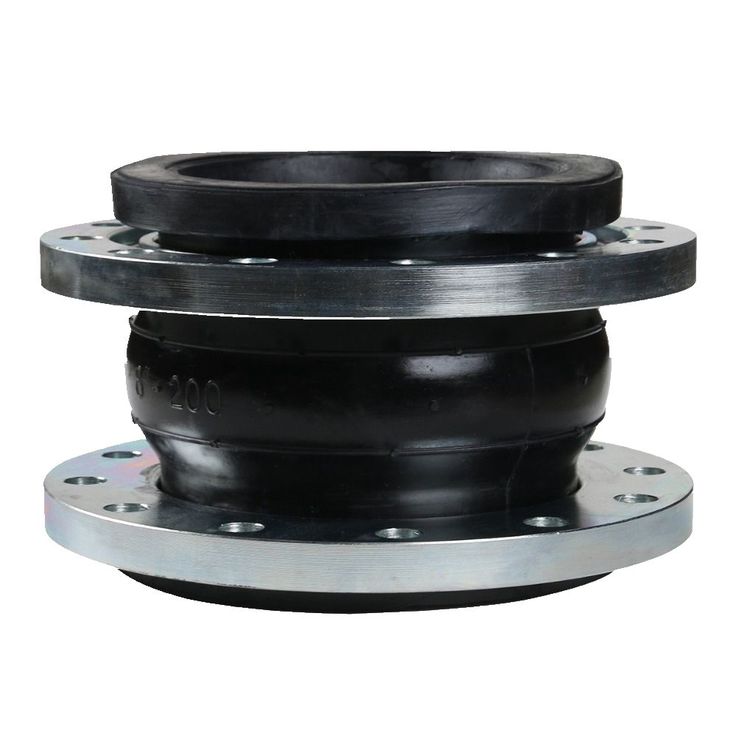
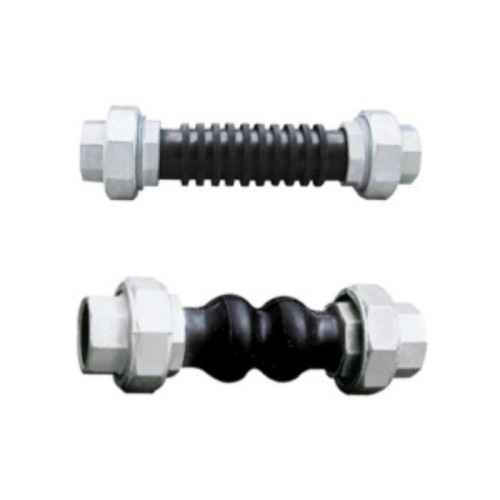
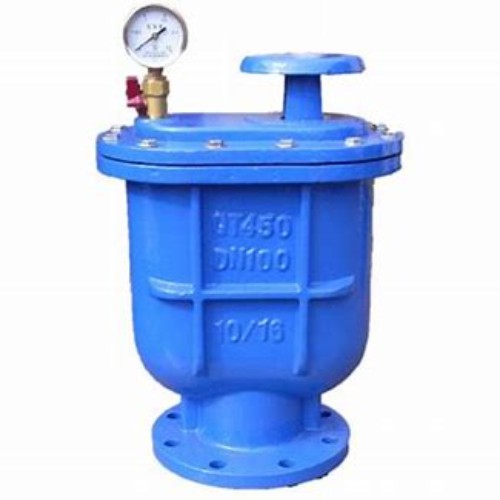
Pipe and pipe fittings are essential components in fluid conveyance systems, serving to transport liquids, gases, and solids in various industrial and commercial applications. Pipes are typically categorized based on their material composition, such as steel, copper, PVC, or other alloys, and are available in different sizes and pressure ratings to accommodate diverse operational requirements. Common types of pipes include seamless pipes, welded pipes, and ductile iron pipes, each offering specific advantages in terms of strength, corrosion resistance, and cost-effectiveness.Pipe fittings, on the other hand, are used to connect, control, and redirect the flow of fluids within the piping system. They come in a wide range of shapes, sizes, and materials to facilitate diverse functions, including elbows, tees, reducers, couplings, and valves. These fittings are crucial for ensuring proper alignment, sealing, and flow control within the piping network, and they are often designed to withstand high pressures, extreme temperatures, and corrosive environments.The selection of pipes and fittings depends on factors such as the nature of the conveyed fluid, operating conditions, system design, and regulatory requirements. Proper installation and maintenance of pipes and fittings are essential to ensure the integrity and efficiency of the fluid conveyance system.

What Is The Difference Between A Pipe And A Fitting?
The main difference between a pipe and a fitting lies in their respective functions within a fluid conveyance system. A pipe is a tubular structure used to transport fluids, gases, or solids from one point to another. It serves as the main conduit for the flow of the substance and is available in various materials, sizes, and pressure ratings to accommodate different operational requirements. Pipes are typically designed to withstand the pressure, temperature, and corrosive nature of the conveyed substance.
On the other hand, a fitting is a component used to connect, control, or adapt the flow within the piping system. Fittings come in a variety of shapes, sizes, and materials and are essential for joining pipes together, changing the direction of flow, regulating the flow rate, or terminating the pipe run. Common types of fittings include elbows, tees, reducers, couplings, and valves, each serving a specific purpose in the fluid conveyance system.In summary, while pipes serve as the primary channels for fluid transport, fittings are auxiliary components that facilitate the proper alignment, connection, and control of the flow within the piping network. Both pipes and fittings are integral to the efficient and safe operation of fluid conveyance systems, and their selection and installation are crucial for ensuring system integrity and performance.












































































