


 kiswahili
 Mwafrika
 Kialbeni
 Kiamhari
 Kiarabu
 Kiarmenia
 Kiazabajani
 Kibasque
 Kibelarusi
 Kibengali
 Kibosnia
 Kibulgaria
 Kikatalani
 Cebuano
 Kikosikani
 Kikroeshia
 Kicheki
 Kideni
 Kiholanzi
 Kiingereza
 Kiesperanto
 Kiestonia
 Kifini
 Kifaransa
 Kifrisia
 Kigalisia
 Kijojiajia
 Kijerumani
 Kigiriki
 Kigujarati
 Krioli ya Haiti
 hausa
hausa
 Kihawai
 Kiebrania
 Hapana
 Miao
Miao
 Kihungaria
 Kiaislandi
 igbo
igbo
 Kiindonesia
 irish
irish
 Kiitaliano
 Kijapani
 Kijava
 Kikanada
 kazakh
 Khmer
Khmer
 Mnyarwanda
 Kikorea
 Kikurdi
 Kirigizi
 TB
TB
 Kilatini
 Kilatvia
 Kilithuania
 Kilasembagi
 Kimasedonia
 Malgashi
 Kimalei
 Kimalayalam
 Kimalta
 Kimaori
 Marathi
 Kimongolia
 Myanmar
 Kinepali
 Kinorwe
 Kinorwe
 Oksitani
 Kipashto
 Kiajemi
 Kipolandi
 Kireno
 Kipunjabi
 Kiromania
 Kirusi
 Kisamoa
 Kigaeli cha Kiskoti
 Kiserbia
 Kiingereza
 Kishona
 Kisindhi
 Kisinhala
 Kislovakia
 Kislovenia
 Msomali
 Kihispania
 Kisunda
 Kiswidi
 Kitagalogi
 Tajiki
 Kitamil
 Kitatari
 Kitelugu
 Thai
Thai
 Kituruki
 Waturukimeni
 Kiukreni
 Kiurdu
 Uighur
 Kiuzbeki
 Kivietinamu
 Kiwelisi
 Msaada
 Kiyidi
 Kiyoruba
 Kizulu


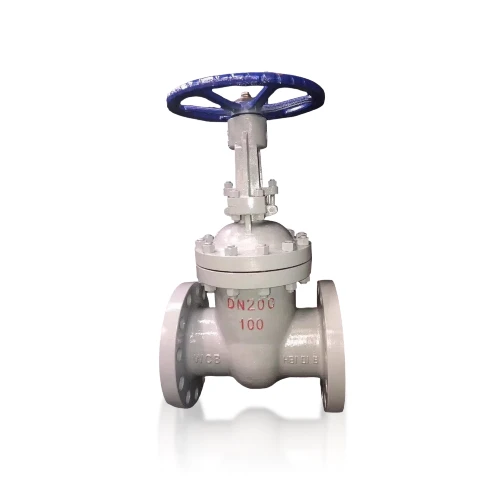
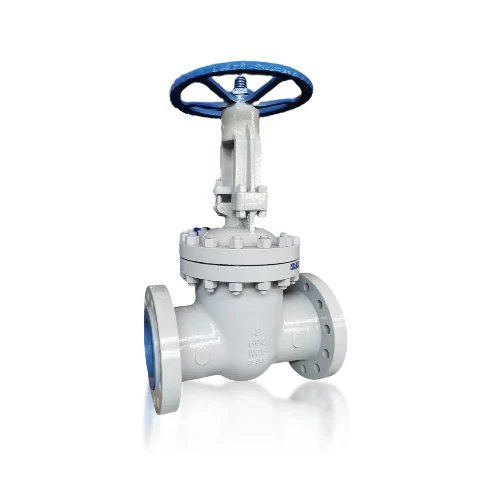
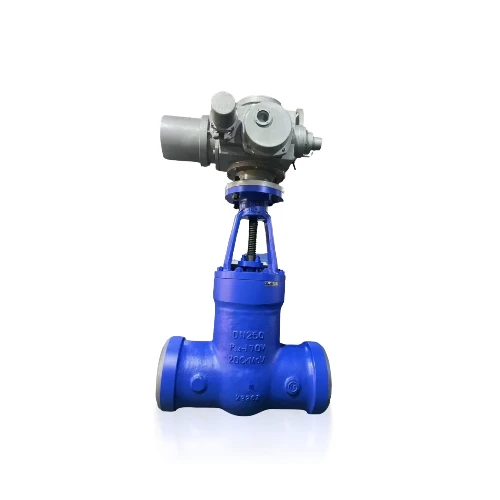
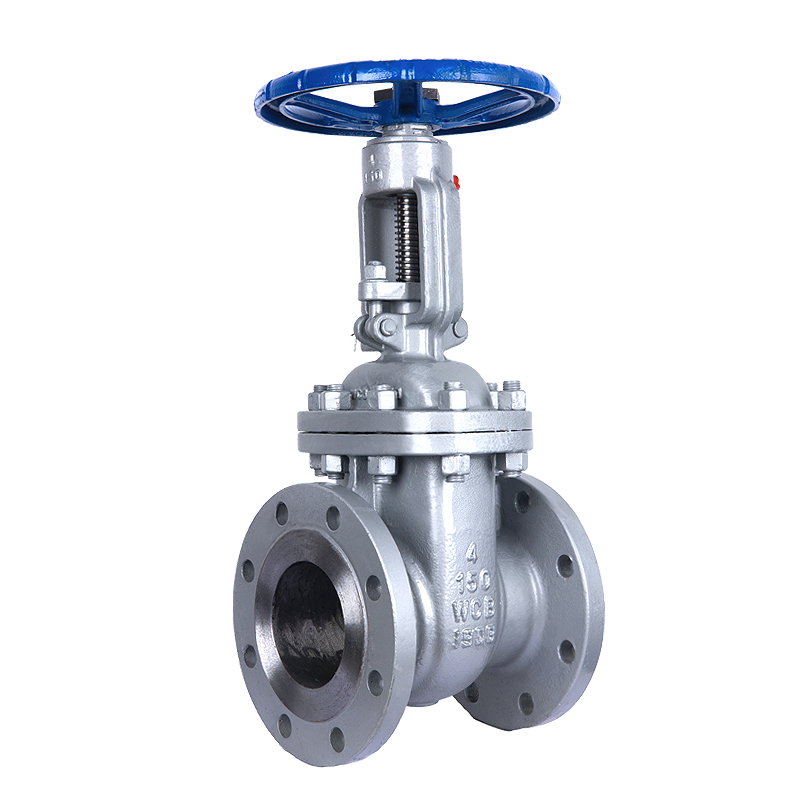
Gate valves are classified based on their structure, gate type, actuation, and application. Structurally, they can be categorized as flexible or rigid gate valves. The gate type can be flat gate or wedge gate.
Actuation can be manual or automatic. Application-wise, they can be general-purpose or special-purpose gate valves for specific conditions such as high pressure, high temperature, or corrosive media.In terms of structure, flexible gate valves feature an elastic sealing ring between the gate and the seat, making them suitable for low pressure, low temperature, or non-corrosive media applications. On the other hand, rigid gate valves do not have an elastic sealing ring and are suitable for high pressure, high temperature, or corrosive media.Gate valves can also be classified based on the type of gate they use. Flat gate valves have a flat gate, while wedge gate valves have a wedge-shaped gate. The choice between these types depends on the specific requirements of the application, such as pressure and flow characteristics.Actuation of gate valves can be either manual or automatic. Manual gate valves are operated by hand, while automatic gate valves are operated using electric, pneumatic, or hydraulic actuators. The choice of actuation depends on the need for remote operation, speed, and precision of control.
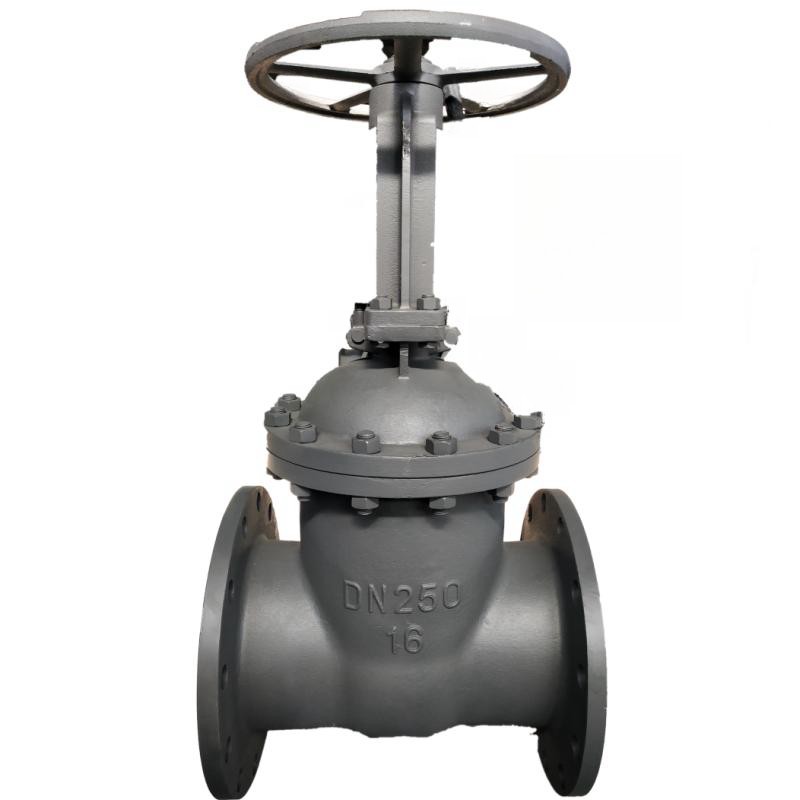
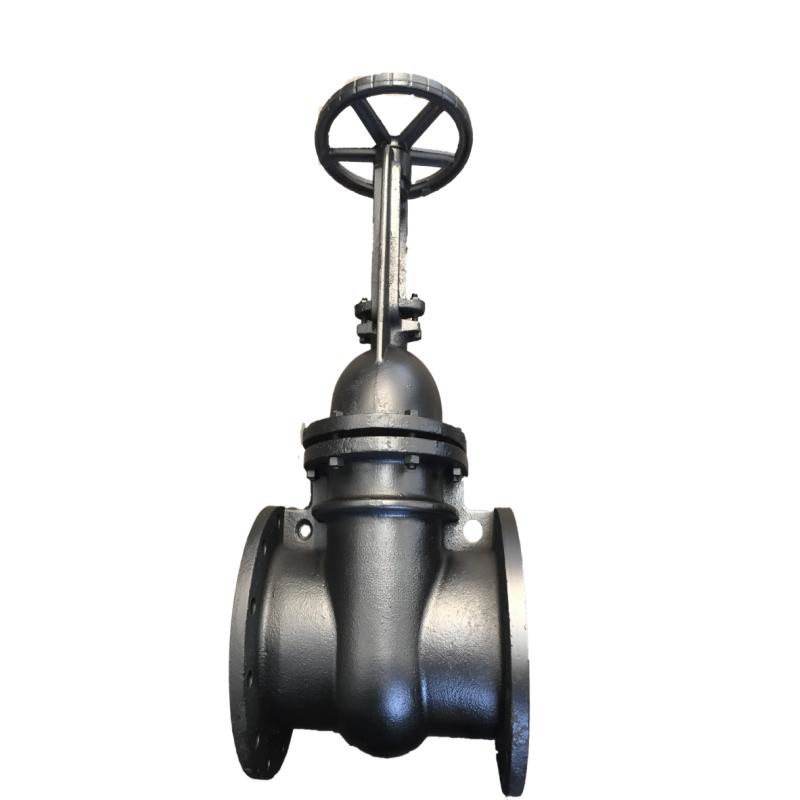
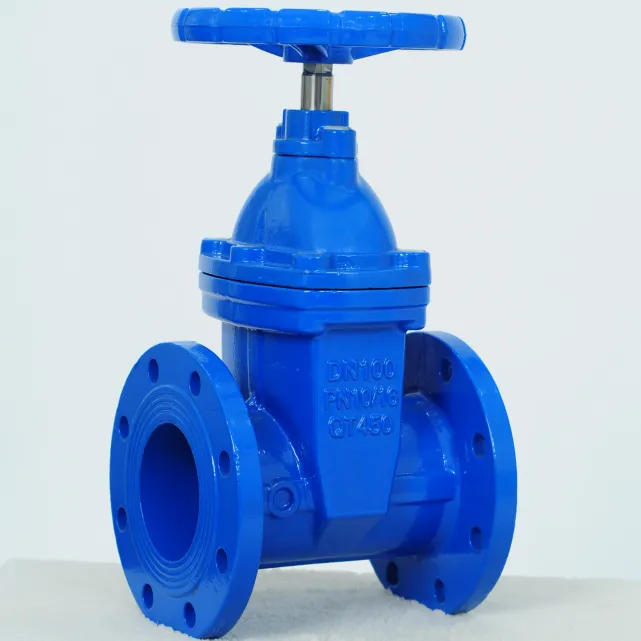
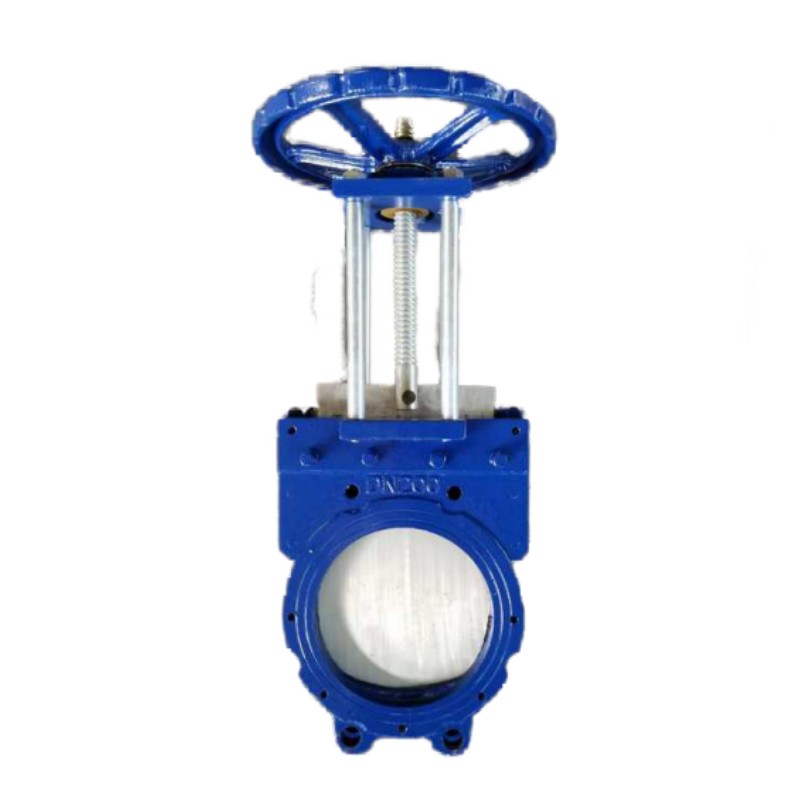
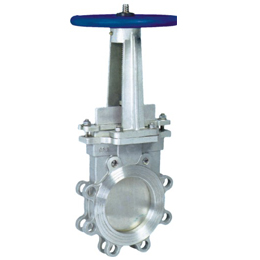
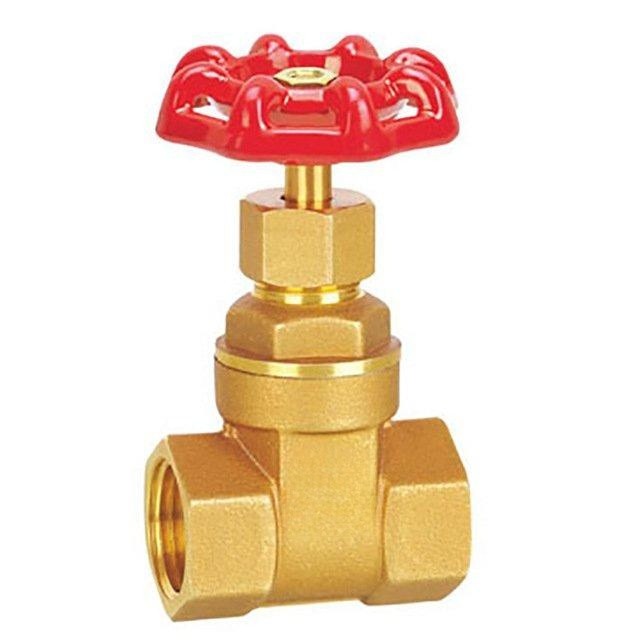
What Is A Gate Valve Used For?
Gate valve is used to control the flow of fluid in a pipeline. It is designed to either fully open to allow unrestricted flow or fully close to stop the flow completely. Gate valves are commonly used inapplications where a straight-line flow of fluid and minimum restriction is desired. They are suitable for a wide range of industries including oil and gas, water and wastewater, chemical and petrochemical, power generation, and many others. Gate valves are particularly well-suited for applications where a tight seal and low pressure drop are important, making them ideal for on/off control of the flow. Their simple and robust design allows for reliable operation and minimal maintenance, and they are often used in systems where infrequent operation is expected. Gate valves are not typically used for regulating flow, as their design is optimized for either fully open or fully closed positions, and they are not well-suited for throttling applications. Overall, gate valves are essential components in many industrial processes where efficient and reliable flow control is required.
How Do Valve Gates Work?
Work by using a flat or wedge-shaped gate to control the flow of fluid through a pipeline. When the valve is in the open position, the gate is lifted to allow the fluid
to pass through the valve unobstructed. Conversely, when the valve is closed, the gate is lowered to block the flow of fluid completely. This simple yet effective mechanism allows for precise control over the flow of liquids or gases in a pipeline. The gate is typically operated by a handwheel, actuator, or other control mechanism, which raises or lowers the gate to open or close the valve. When the gate is fully raised, it is completely clear of the flow path, minimizing pressure drop and allowing for unimpeded flow. Conversely, when the gate is fully lowered, it forms a tight seal against the valve seat, preventing any flow through the pipeline. This on/off functionality makes gate valves well-suited for applications where straight-line flow and minimal pressure drop are important.












































































