


 Frysk
Frysk
 Afrikaanske
 Albaneesk
 Amhaarsk
 Arabysk
 Armeensk
 Azerbeidzjaansk
 Baskysk
 Wytrussysk
 Bengaalsk
 Bosnysk
 Bulgaarsk
 Katalaansk
 Cebuano
 Korsikaansk
 Kroatysk
 Tsjechysk
 Deensk
 Nederlânsk
 Ingelsk
 Esperanto
 Estysk
 Finsk
Finsk
 Frânsk
 Galyskysk
 Georgysk
 Dútsk
Dútsk
 Gryksk
 Gujaratysk
 Haïtiaansk Kreaolsk
 Hausa
Hausa
 Hawaïaansk
 Hebrieuwsk
 Nee
Nee
 Miao
Miao
 Hongaarsk
 Yslânsk
 igbo
igbo
 Yndonesysk
 Iersk
Iersk
 Italiaansk
 Japansk
 Javaansk
 Kannada
 Kazachsk
 Khmer
Khmer
 Rwandan
 Koreaansk
 Koerdysk
 Kirgizysk
 TB
TB
 Latyn
Latyn
 Letsk
Letsk
 Litousk
 Lúksemboarchsk
 Masedoanysk
 Malgashi
 Maleisk
 Malayalam
 Malteesk
 Maori
Maori
 Maratysk
 Mongoalsk
 Birma
Birma
 Nepaleesk
 Noarsk
 Noarsk
 Oksitaansk
 Pashtu
 Perzysk
 Poalsk
 Portegeesk
 Pûndjaabsk
 Roemeensk
 Russysk
 Samoan
 Skotsk Gaelic
 Servysk
 Ingelsk
 Shona
Shona
 Sindysk
 Sinhala
 Slowaaksk
 Sloveensk
 Somalysk
 Spaansk
 Soendaneesk
 Swahily
 Sweedsk
 Tagaloch
 Tajik
Tajik
 Tamyl
Tamyl
 Tatar
Tatar
 Telugu
 Taisk
Taisk
 Turksk
 Turkmeensk
 Oekraynsk
 Urdu
Urdu
 Uighur
 Uzbek
Uzbek
 Fietnameesk
 Welsh
Welsh
 Help
Help
 Jiddysk
 Yoruba
 Zulu
Zulu


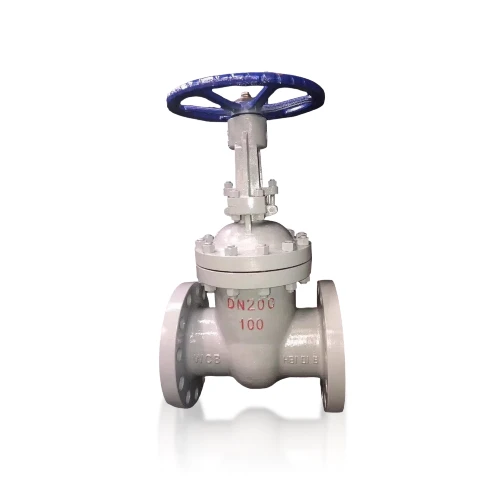
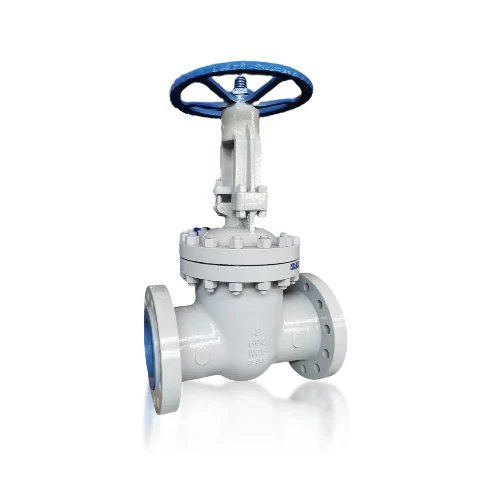
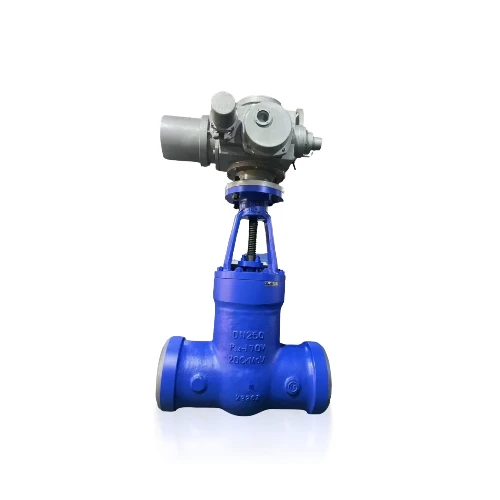
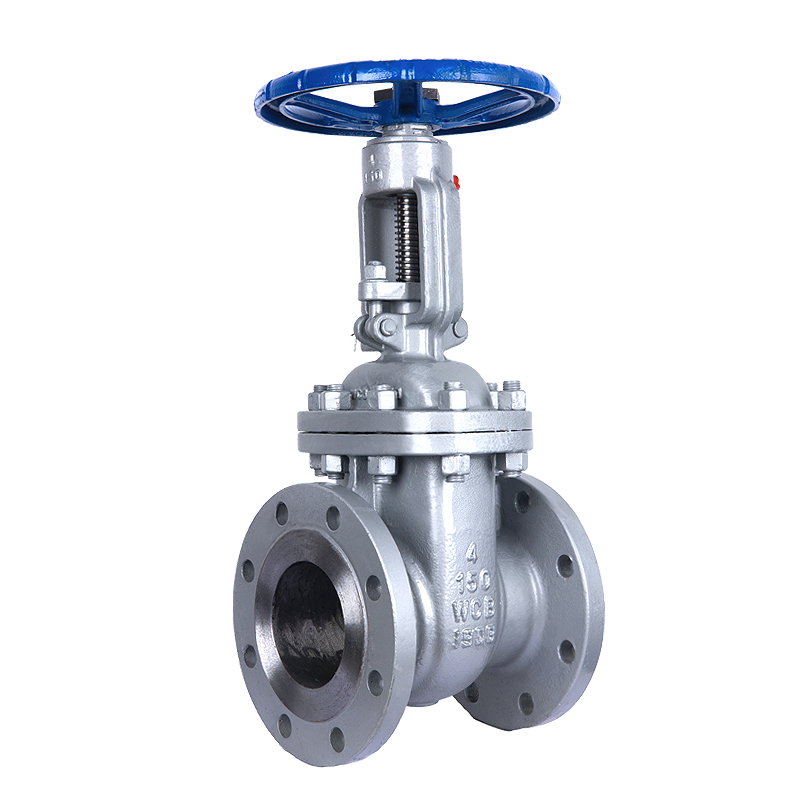
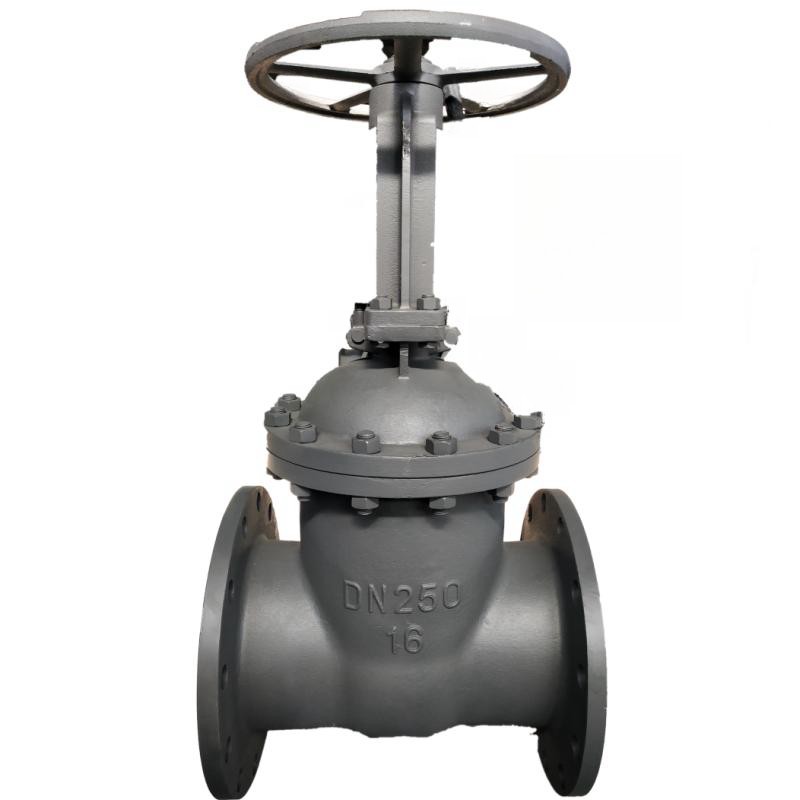
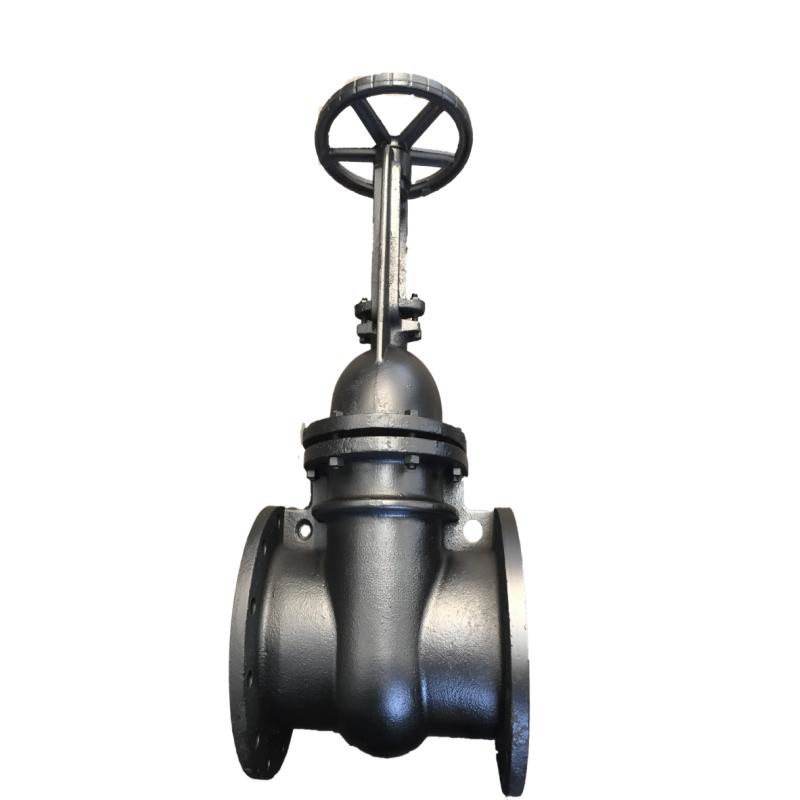
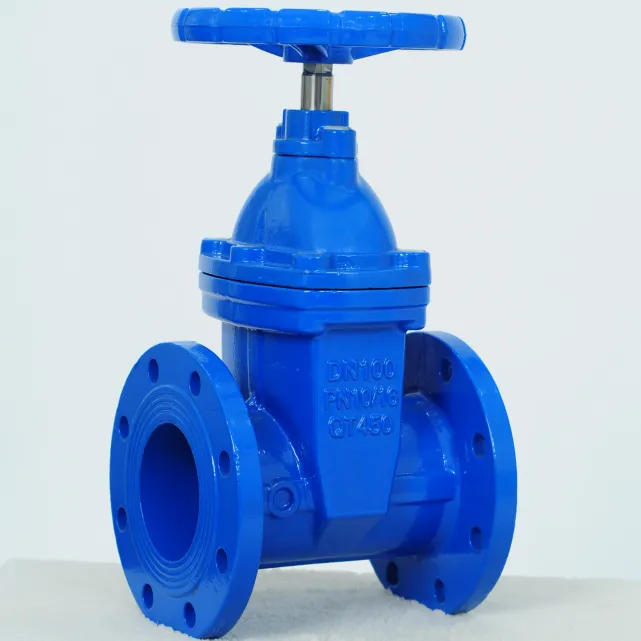
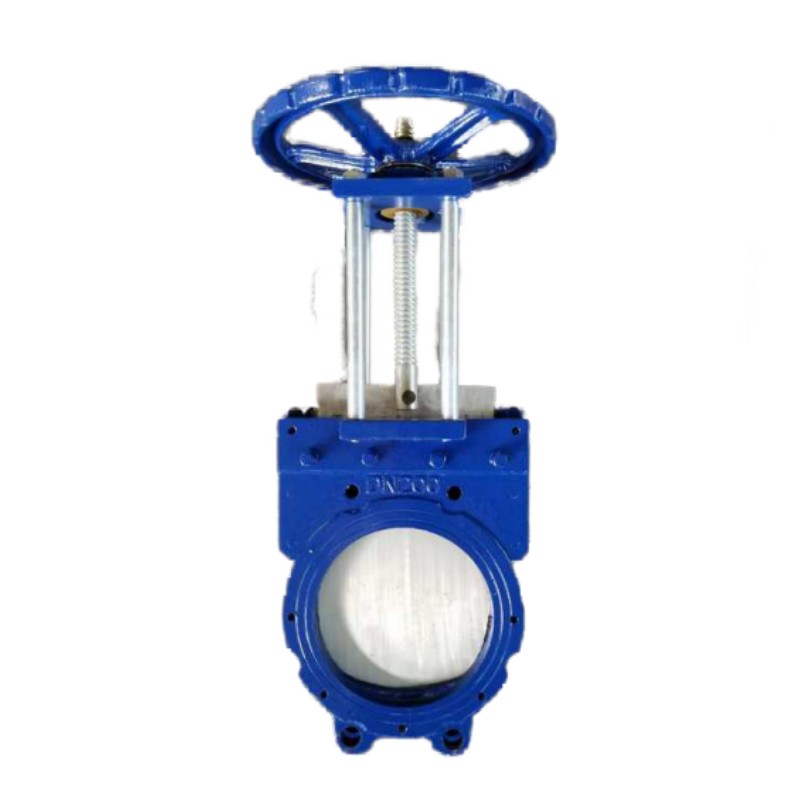
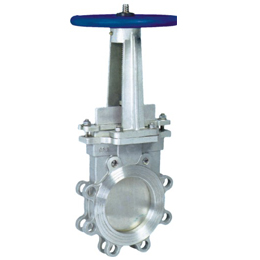
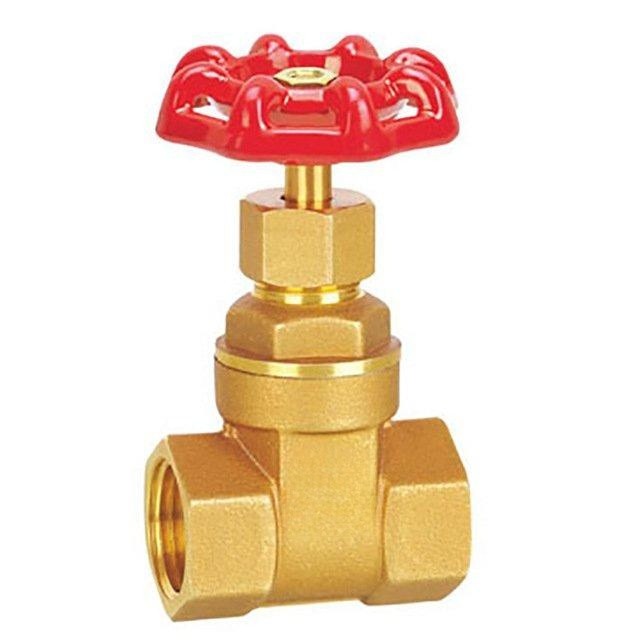
Gate valves are classified based on their structure, gate type, actuation, and application. Structurally, they can be categorized as flexible or rigid gate valves. The gate type can be flat gate or wedge gate.
Actuation can be manual or automatic. Application-wise, they can be general-purpose or special-purpose gate valves for specific conditions such as high pressure, high temperature, or corrosive media.In terms of structure, flexible gate valves feature an elastic sealing ring between the gate and the seat, making them suitable for low pressure, low temperature, or non-corrosive media applications. On the other hand, rigid gate valves do not have an elastic sealing ring and are suitable for high pressure, high temperature, or corrosive media.Gate valves can also be classified based on the type of gate they use. Flat gate valves have a flat gate, while wedge gate valves have a wedge-shaped gate. The choice between these types depends on the specific requirements of the application, such as pressure and flow characteristics.Actuation of gate valves can be either manual or automatic. Manual gate valves are operated by hand, while automatic gate valves are operated using electric, pneumatic, or hydraulic actuators. The choice of actuation depends on the need for remote operation, speed, and precision of control.
What Is A Gate Valve Used For?
Gate valve is used to control the flow of fluid in a pipeline. It is designed to either fully open to allow unrestricted flow or fully close to stop the flow completely. Gate valves are commonly used inapplications where a straight-line flow of fluid and minimum restriction is desired. They are suitable for a wide range of industries including oil and gas, water and wastewater, chemical and petrochemical, power generation, and many others. Gate valves are particularly well-suited for applications where a tight seal and low pressure drop are important, making them ideal for on/off control of the flow. Their simple and robust design allows for reliable operation and minimal maintenance, and they are often used in systems where infrequent operation is expected. Gate valves are not typically used for regulating flow, as their design is optimized for either fully open or fully closed positions, and they are not well-suited for throttling applications. Overall, gate valves are essential components in many industrial processes where efficient and reliable flow control is required.
How Do Valve Gates Work?
Work by using a flat or wedge-shaped gate to control the flow of fluid through a pipeline. When the valve is in the open position, the gate is lifted to allow the fluid
to pass through the valve unobstructed. Conversely, when the valve is closed, the gate is lowered to block the flow of fluid completely. This simple yet effective mechanism allows for precise control over the flow of liquids or gases in a pipeline. The gate is typically operated by a handwheel, actuator, or other control mechanism, which raises or lowers the gate to open or close the valve. When the gate is fully raised, it is completely clear of the flow path, minimizing pressure drop and allowing for unimpeded flow. Conversely, when the gate is fully lowered, it forms a tight seal against the valve seat, preventing any flow through the pipeline. This on/off functionality makes gate valves well-suited for applications where straight-line flow and minimal pressure drop are important.












































































