


 latviski
 Āfrikas
 albānis
 amharu
 arābu
arābu
 armēņu
 Azerbaidžāņu
 basku
basku
 baltkrievu
 bengāļu
 bosniešu
 bulgāru valoda
 katalāņu
 Cebuano
 Korsikānis
 horvātu
 čehu
čehu
 dāņu
dāņu
 holandiešu valoda
 Angļu
Angļu
 Esperanto
 igauņu
 somu
somu
 franču valoda
 frīzu valoda
 Galisiešu
 gruzīnu
 vācu
vācu
 grieķu valoda
 gudžaratu
 Haiti kreols
 hausa
hausa
 havajietis
 ivrits
 Nē
Nē
 Miao
Miao
 ungāru
 islandiešu
 igbo
igbo
 Indonēziešu
 īru
īru
 itāļu valoda
 japāņi
 javiešu
 kannada
 kazahu
 khmeru
 Ruandā
 korejiešu
 kurdu
kurdu
 Kirgizstānas
 TB
TB
 latīņu valoda
 lietuviešu
 luksemburgiešu
 maķedonietis
 Malgaši
 malajiešu
 malajalu
 maltiešu
 maori
maori
 maratu
 mongoļu valoda
 Mjanma
 Nepāliešu
 norvēģu
 norvēģu
 oksitāņu
 puštu
puštu
 persiešu
 poļu
poļu
 portugāļu
 pandžabu
 rumāņu
 krievu valoda
 Samoa
Samoa
 skotu gēlu valoda
 serbu
serbu
 Angļu
Angļu
 Šona
Šona
 Sindhi
 singalu valoda
 slovāku
 slovēņu
 somāliešu
 spāņu valoda
 sundāņu
 svahili
 zviedru
 tagalogs
 tadžiks
 tamilu
 tatārs
 telugu
 taju
taju
 Turku
Turku
 Turkmēņu
 ukraiņu
 urdu
urdu
 Uiguru
 uzbeku
 vjetnamietis
 velsiešu
 Palīdzība
 jidiša
 Joruba
 zulu
zulu


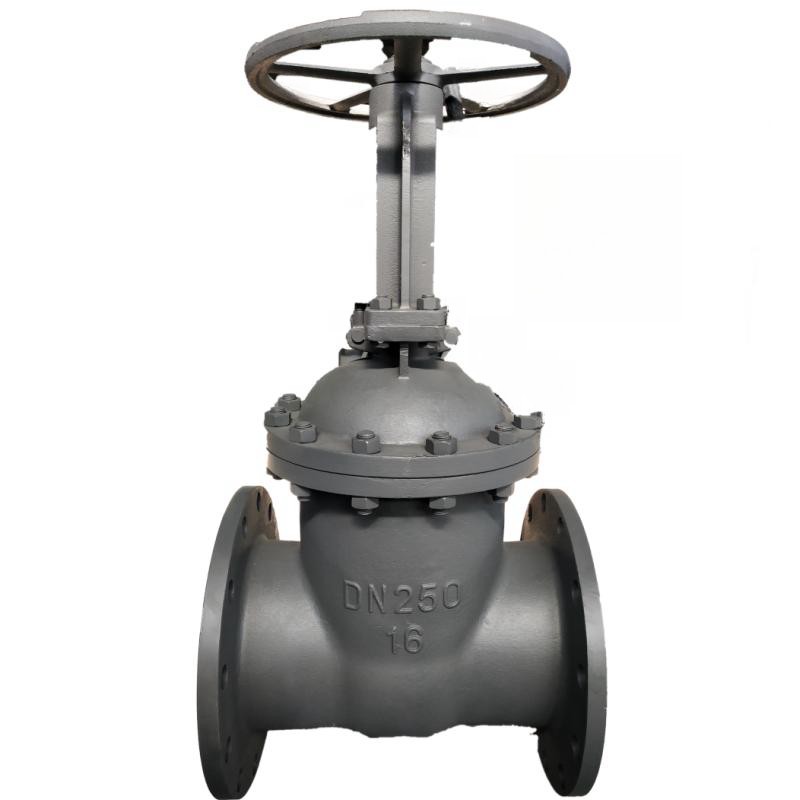
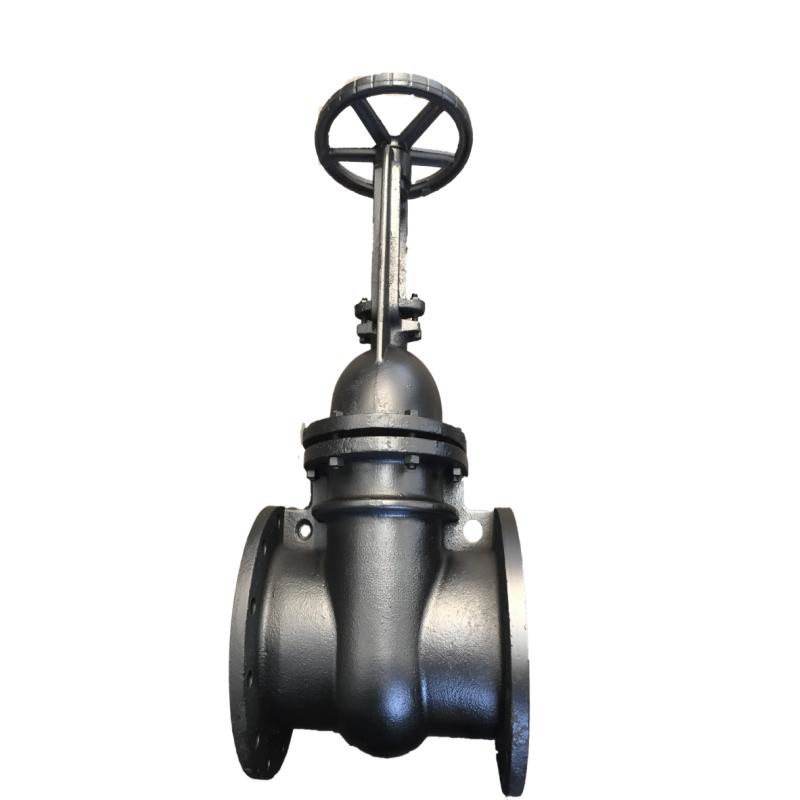
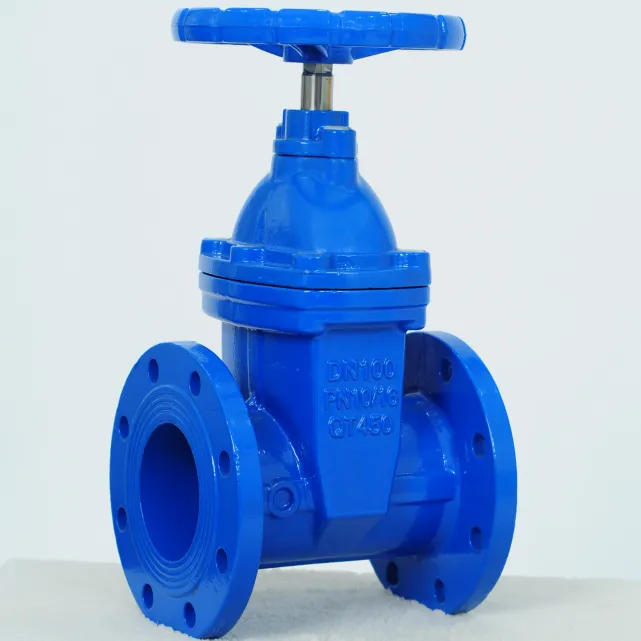
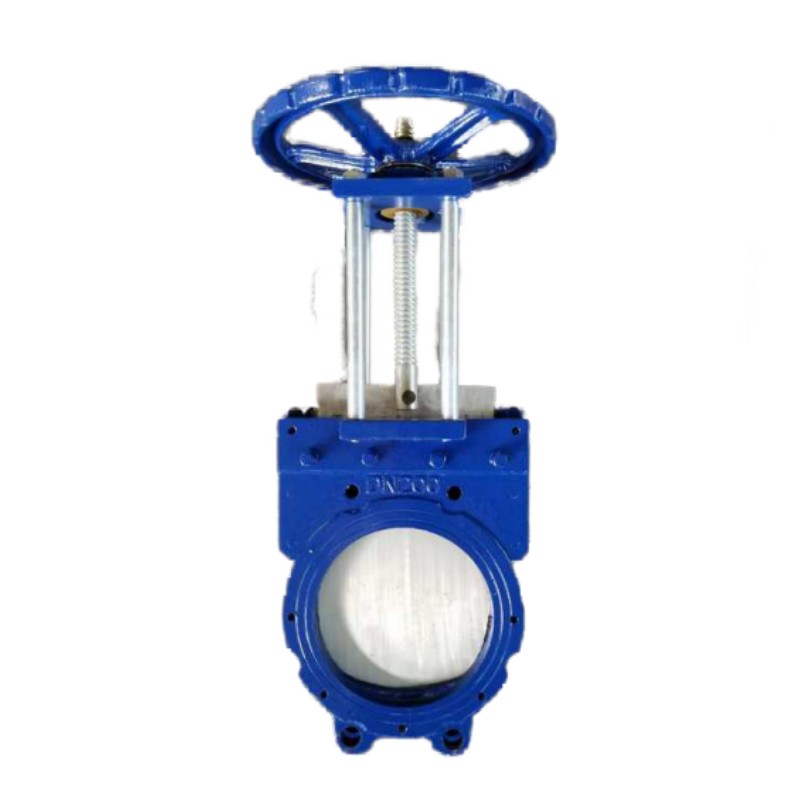
Gate valves are classified based on their structure, gate type, actuation, and application. Structurally, they can be categorized as flexible or rigid gate valves. The gate type can be flat gate or wedge gate.
Actuation can be manual or automatic. Application-wise, they can be general-purpose or special-purpose gate valves for specific conditions such as high pressure, high temperature, or corrosive media.In terms of structure, flexible gate valves feature an elastic sealing ring between the gate and the seat, making them suitable for low pressure, low temperature, or non-corrosive media applications. On the other hand, rigid gate valves do not have an elastic sealing ring and are suitable for high pressure, high temperature, or corrosive media.Gate valves can also be classified based on the type of gate they use. Flat gate valves have a flat gate, while wedge gate valves have a wedge-shaped gate. The choice between these types depends on the specific requirements of the application, such as pressure and flow characteristics.Actuation of gate valves can be either manual or automatic. Manual gate valves are operated by hand, while automatic gate valves are operated using electric, pneumatic, or hydraulic actuators. The choice of actuation depends on the need for remote operation, speed, and precision of control.
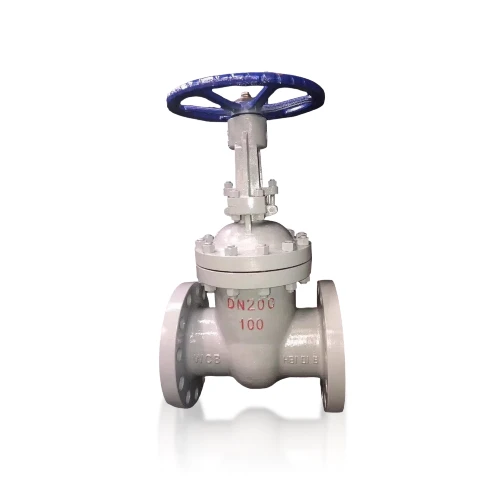
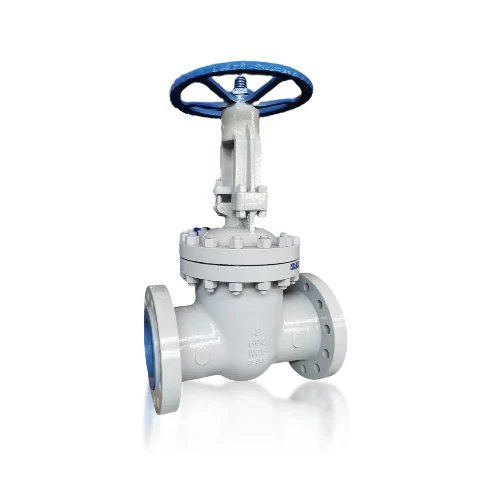
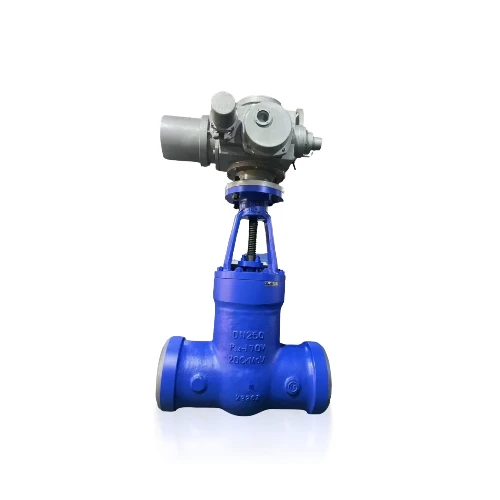
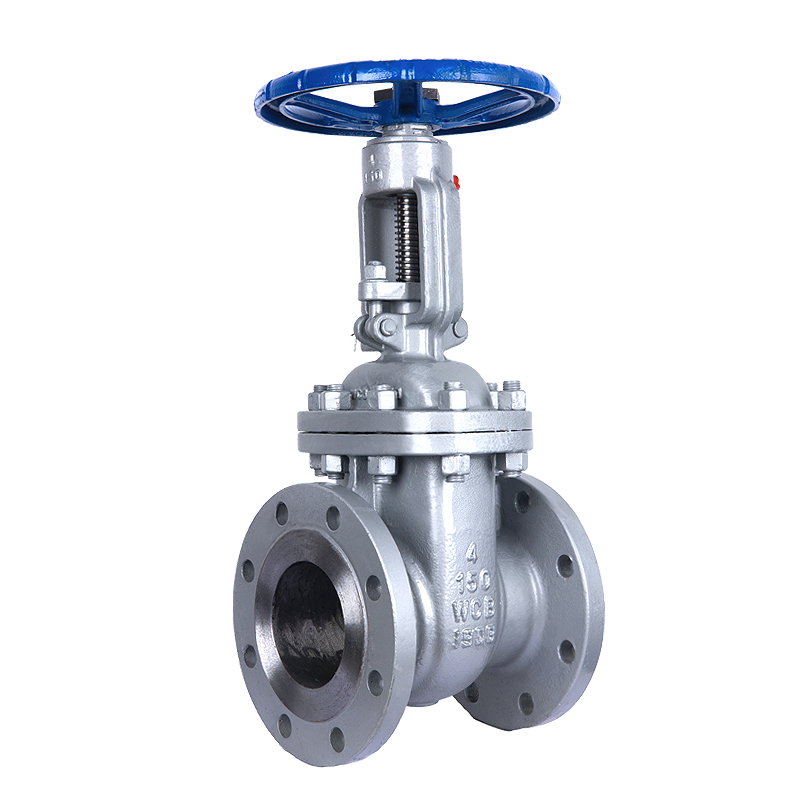
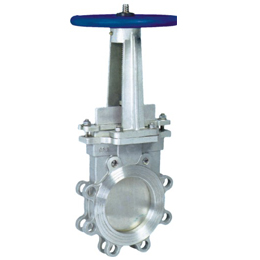
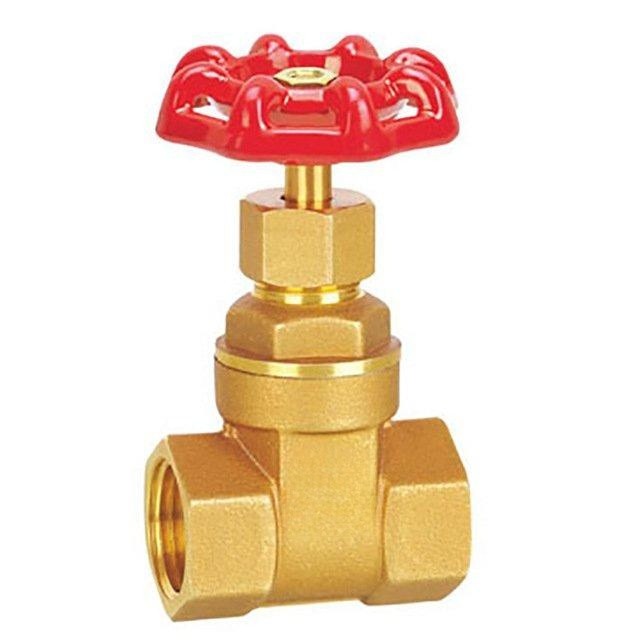
What Is A Gate Valve Used For?
Gate valve is used to control the flow of fluid in a pipeline. It is designed to either fully open to allow unrestricted flow or fully close to stop the flow completely. Gate valves are commonly used inapplications where a straight-line flow of fluid and minimum restriction is desired. They are suitable for a wide range of industries including oil and gas, water and wastewater, chemical and petrochemical, power generation, and many others. Gate valves are particularly well-suited for applications where a tight seal and low pressure drop are important, making them ideal for on/off control of the flow. Their simple and robust design allows for reliable operation and minimal maintenance, and they are often used in systems where infrequent operation is expected. Gate valves are not typically used for regulating flow, as their design is optimized for either fully open or fully closed positions, and they are not well-suited for throttling applications. Overall, gate valves are essential components in many industrial processes where efficient and reliable flow control is required.
How Do Valve Gates Work?
Work by using a flat or wedge-shaped gate to control the flow of fluid through a pipeline. When the valve is in the open position, the gate is lifted to allow the fluid
to pass through the valve unobstructed. Conversely, when the valve is closed, the gate is lowered to block the flow of fluid completely. This simple yet effective mechanism allows for precise control over the flow of liquids or gases in a pipeline. The gate is typically operated by a handwheel, actuator, or other control mechanism, which raises or lowers the gate to open or close the valve. When the gate is fully raised, it is completely clear of the flow path, minimizing pressure drop and allowing for unimpeded flow. Conversely, when the gate is fully lowered, it forms a tight seal against the valve seat, preventing any flow through the pipeline. This on/off functionality makes gate valves well-suited for applications where straight-line flow and minimal pressure drop are important.












































































