


 latviski
 Āfrikas
 albānis
 amharu
 arābu
arābu
 armēņu
 Azerbaidžāņu
 basku
basku
 baltkrievu
 bengāļu
 bosniešu
 bulgāru valoda
 katalāņu
 Cebuano
 Korsikānis
 horvātu
 čehu
čehu
 dāņu
dāņu
 holandiešu valoda
 Angļu
Angļu
 Esperanto
 igauņu
 somu
somu
 franču valoda
 frīzu valoda
 Galisiešu
 gruzīnu
 vācu
vācu
 grieķu valoda
 gudžaratu
 Haiti kreols
 hausa
hausa
 havajietis
 ivrits
 Nē
Nē
 Miao
Miao
 ungāru
 islandiešu
 igbo
igbo
 Indonēziešu
 īru
īru
 itāļu valoda
 japāņi
 javiešu
 kannada
 kazahu
 khmeru
 Ruandā
 korejiešu
 kurdu
kurdu
 Kirgizstānas
 TB
TB
 latīņu valoda
 lietuviešu
 luksemburgiešu
 maķedonietis
 Malgaši
 malajiešu
 malajalu
 maltiešu
 maori
maori
 maratu
 mongoļu valoda
 Mjanma
 Nepāliešu
 norvēģu
 norvēģu
 oksitāņu
 puštu
puštu
 persiešu
 poļu
poļu
 portugāļu
 pandžabu
 rumāņu
 krievu valoda
 Samoa
Samoa
 skotu gēlu valoda
 serbu
serbu
 Angļu
Angļu
 Šona
Šona
 Sindhi
 singalu valoda
 slovāku
 slovēņu
 somāliešu
 spāņu valoda
 sundāņu
 svahili
 zviedru
 tagalogs
 tadžiks
 tamilu
 tatārs
 telugu
 taju
taju
 Turku
Turku
 Turkmēņu
 ukraiņu
 urdu
urdu
 Uiguru
 uzbeku
 vjetnamietis
 velsiešu
 Palīdzība
 jidiša
 Joruba
 zulu
zulu


Control valve is a critical component in fluid systems that is used to regulate the flow, pressure, temperature, or level of a fluid within a process. It achieves this by varying the size of the flow passage as directed by a signal from a controller. Control valves are essential for maintaining precise control over the process conditions, ensuring that the system operates within specified parameters. They are widely used in industries such as oil and gas, chemical processing, power generation, and water treatment, where accurate control of fluid flow is crucial for operational efficiency and safety. Control valves come in various types, including globe valves, butterfly valves, ball valves, and diaphragm valves, each designed for specific applications and control requirements. The selection of a control valve depends on factors such as the type of fluid, flow rates, pressure and temperature conditions, and the desired level of control precision. Proper installation, calibration, and maintenance of control valves are essential to ensure their reliable and accurate performance within the fluid system.
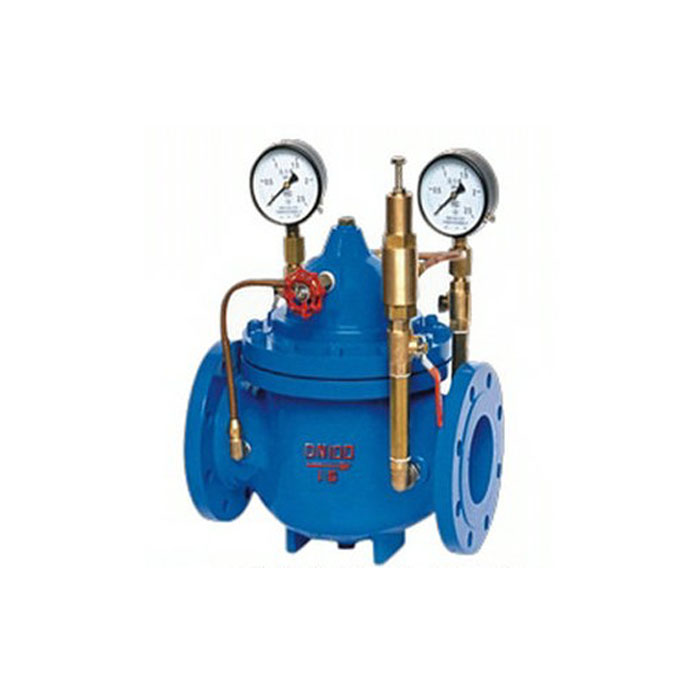
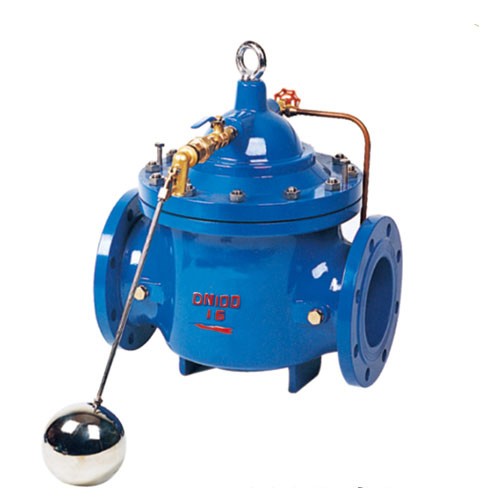
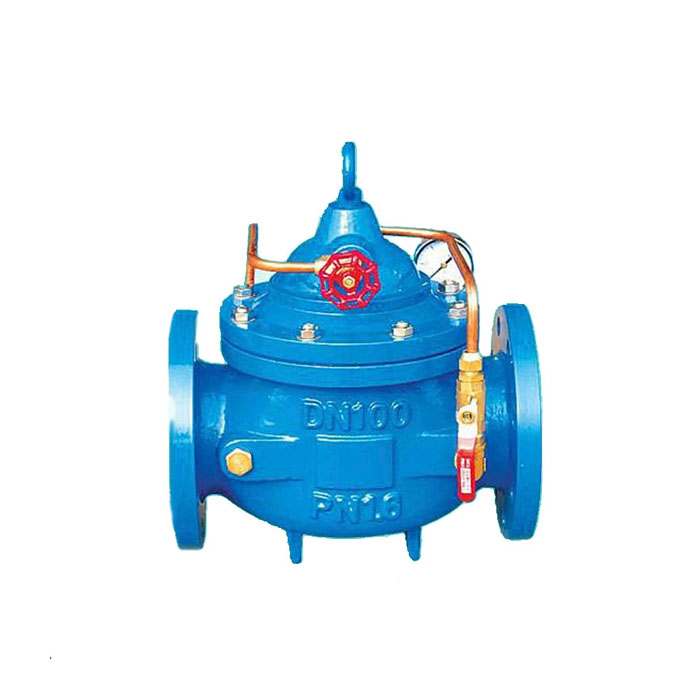
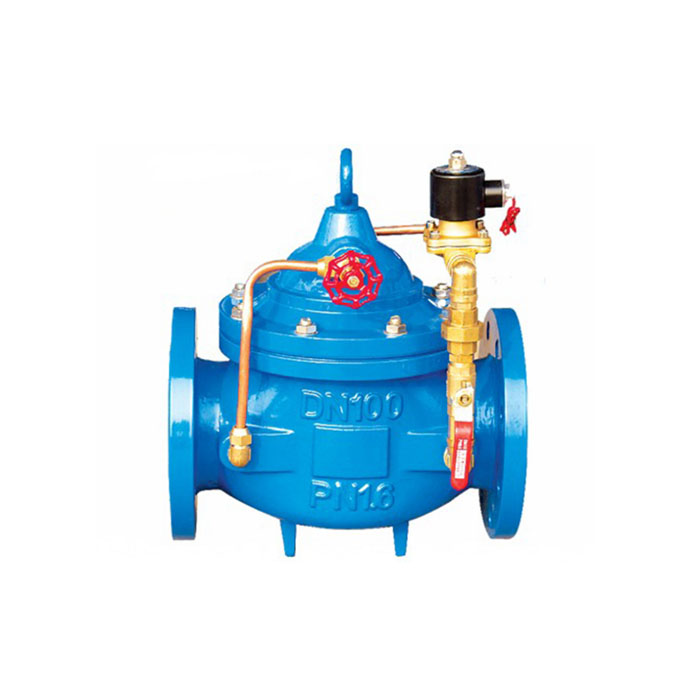
Why Use Control Valves?
Control valves are used to regulate the flow, pressure, temperature, or level of a fluid within a process. They are essential for maintaining precise control over the process conditions, ensuring that the system operates within specified parameters. Control valves are widely used in various industries such as oil and gas, chemical processing, power generation, and water treatment, where accurate control of fluid flow is crucial for operational efficiency and safety. By using control valves, operators can adjust the flow rates and other process parameters to meet the changing demands of the system, optimize energy usage, and maintain product quality. Additionally, control valves play a critical role in ensuring the safety and reliability of the overall process by providing the means to regulate and manage the flow of fluids in a controlled and efficient manner. Overall, the use of control valves is essential for achieving precise and effective control over fluid processes, contributing to improved system performance, energy efficiency, and operational safety.












































































