


 اردو
اردو
 افریقی
 البانوی
 امہاری
 عربی
عربی
 آرمینیائی
 آذربائیجانی
 باسکی
باسکی
 بیلاروسی
 بنگالی
 بوسنیائی
 بلغاریائی
 کاتالان
 سیبوانو
 کورسیکن
 کروشین
 چیک
چیک
 ڈینش
ڈینش
 ڈچ
ڈچ
 انگریزی
 ایسپرانٹو
 اسٹونین
 فنش
فنش
 فرانسیسی
 فریسیئن
 گالیشین
 جارجیائی
 جرمن
جرمن
 یونانی
 گجراتی
 ہیٹی کریول
 ہاؤسا
ہاؤسا
 ہوائی
ہوائی
 عبرانی
 nope کیا
 میاؤ
میاؤ
 ہنگری
ہنگری
 آئس لینڈی
 igbo
igbo
 انڈونیشین
 آئرش
آئرش
 اطالوی
 جاپانی
 جاویانی
 کنڑ
کنڑ
 قازق
قازق
 خمیر
خمیر
 روانڈا
 کورین
کورین
 کرد
کرد
 کرغیز
کرغیز
 ٹی بی
ٹی بی
 لاطینی
 لیٹوین
 لتھوانیائی
 لکسمبرگش
 مقدونیائی
 مالگاشی
 مالائی
 ملیالم
 مالٹیز
 ماوری
ماوری
 مراٹھی
 منگول
منگول
 میانمار
 نیپالی
 ناروے
ناروے
 ناروے
ناروے
 آکسیٹن
 پشتو
پشتو
 فارسی
فارسی
 پولش
پولش
 پرتگالی
 پنجابی
 رومانیہ
 روسی
روسی
 سامون
سامون
 سکاٹش گیلک
 سربیائی
 انگریزی
 شونا
شونا
 سندھی
سندھی
 سنہالا
 سلوواک
 سلووینیائی
 صومالی
 ہسپانوی
 سنڈانی
 سواحلی
 سویڈش
سویڈش
 ٹیگالوگ
 تاجک
تاجک
 تامل
تامل
 تاتار
تاتار
 تیلگو
تیلگو
 تھائی
تھائی
 ترکی
ترکی
 ترکمان
 یوکرینی
 ایغور
ایغور
 ازبک
ازبک
 ویتنامی
 ویلش
ویلش
 مدد
مدد
 یدش
یدش
 یوروبا
 زولو
زولو


Control valve is a critical component in fluid systems that is used to regulate the flow, pressure, temperature, or level of a fluid within a process. It achieves this by varying the size of the flow passage as directed by a signal from a controller. Control valves are essential for maintaining precise control over the process conditions, ensuring that the system operates within specified parameters. They are widely used in industries such as oil and gas, chemical processing, power generation, and water treatment, where accurate control of fluid flow is crucial for operational efficiency and safety. Control valves come in various types, including globe valves, butterfly valves, ball valves, and diaphragm valves, each designed for specific applications and control requirements. The selection of a control valve depends on factors such as the type of fluid, flow rates, pressure and temperature conditions, and the desired level of control precision. Proper installation, calibration, and maintenance of control valves are essential to ensure their reliable and accurate performance within the fluid system.
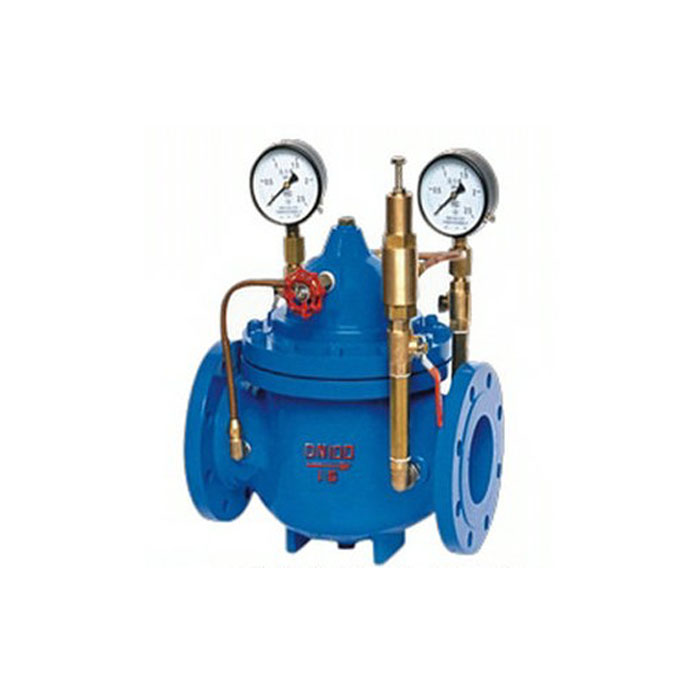
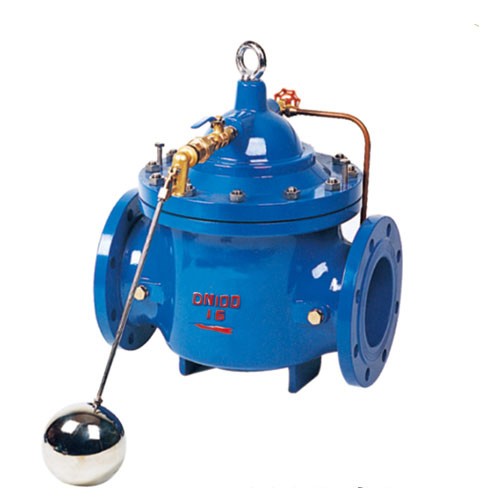
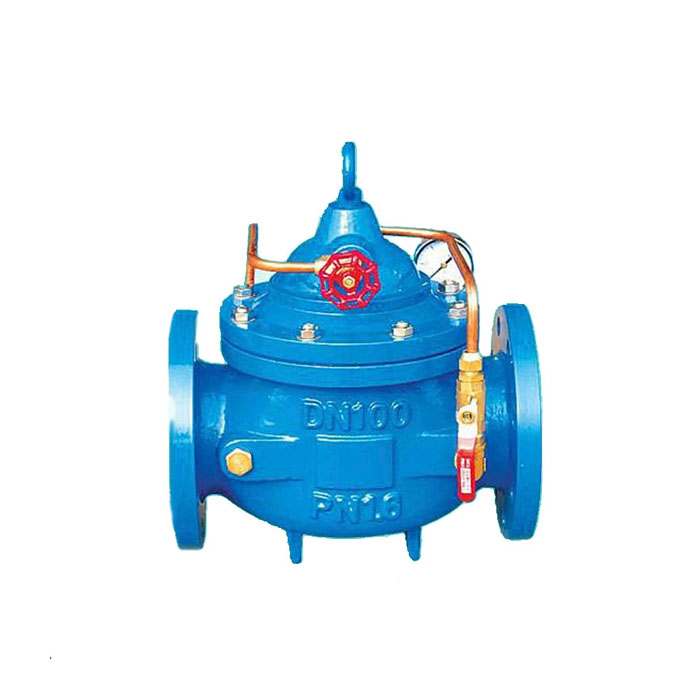
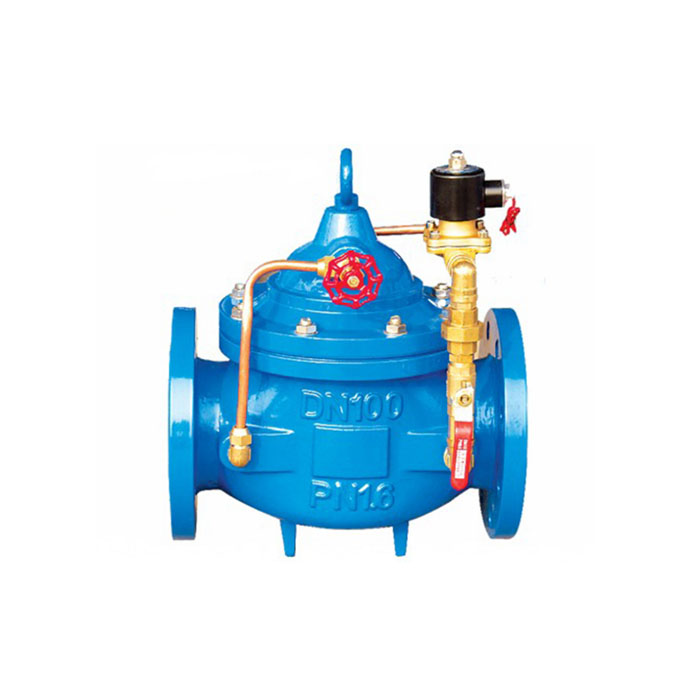
Why Use Control Valves?
Control valves are used to regulate the flow, pressure, temperature, or level of a fluid within a process. They are essential for maintaining precise control over the process conditions, ensuring that the system operates within specified parameters. Control valves are widely used in various industries such as oil and gas, chemical processing, power generation, and water treatment, where accurate control of fluid flow is crucial for operational efficiency and safety. By using control valves, operators can adjust the flow rates and other process parameters to meet the changing demands of the system, optimize energy usage, and maintain product quality. Additionally, control valves play a critical role in ensuring the safety and reliability of the overall process by providing the means to regulate and manage the flow of fluids in a controlled and efficient manner. Overall, the use of control valves is essential for achieving precise and effective control over fluid processes, contributing to improved system performance, energy efficiency, and operational safety.












































































