


 қазақ
қазақ
 африкалық
 албан
албан
 амхар
амхар
 араб
араб
 армян
армян
 әзірбайжан
 баск
баск
 белорус
 бенгал
 босниялық
 болгар
 каталон
 Себуано
 корсика
 хорват
 чех
чех
 дат
дат
 голланд
 Ағылшын
 эсперанто
 эстон
эстон
 фин
фин
 француз
 фриз
фриз
 галисиан
 грузин
 неміс
неміс
 грек
грек
 гуджарати
 Гаити креол
 хауса
хауса
 гавай
гавай
 иврит
иврит
 Жоқ
Жоқ
 Миао
Миао
 венгр
венгр
 исланд
 игбо
игбо
 индонезиялық
 ирланд
 итальян
 жапон
жапон
 Яван
Яван
 Каннада
 кхмер
кхмер
 Руанда
 корей
корей
 күрд
күрд
 қырғыз
 туберкулез
 латын
латын
 латыш
латыш
 литва
литва
 Люксембург
 македон
 Малгаши
 малай
малай
 малаялам
 мальталық
 маори
маори
 Марати
 моңғол
 Мьянма
 Непал
Непал
 норвег
 норвег
 Окситан
 пушту
пушту
 парсы
парсы
 поляк
поляк
 португал тілі
 Пенджаби
 румын
румын
 орыс
орыс
 самоа
самоа
 Шотландтық гал
 серб
серб
 Ағылшын
 Шона
Шона
 Синди
Синди
 Сингала
 словак
 словен
 Сомали
 испан
испан
 сундан
 суахили
 швед
швед
 Тагалог
 тәжік
тәжік
 Тамил
Тамил
 татар
татар
 телугу
 тай
тай
 түрік
түрік
 түрікмен
 украин
 урду
урду
 ұйғыр
ұйғыр
 өзбек
өзбек
 вьетнамдық
 Уэльс
Уэльс
 Көмектесіңдер
 идиш
идиш
 Йоруба
 Зулу
Зулу


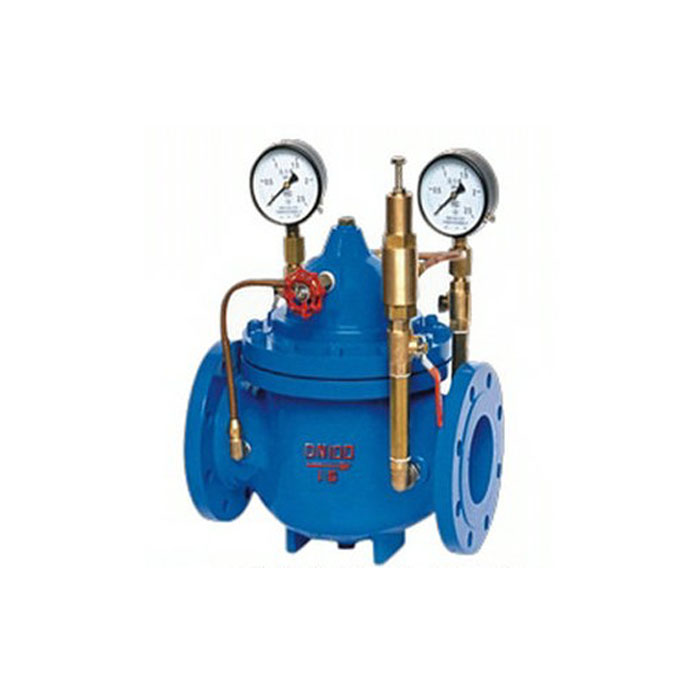
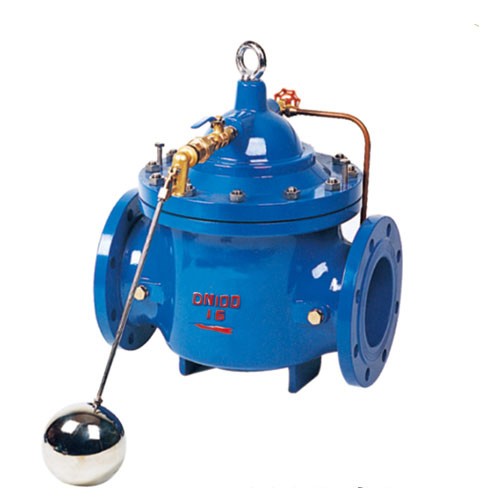
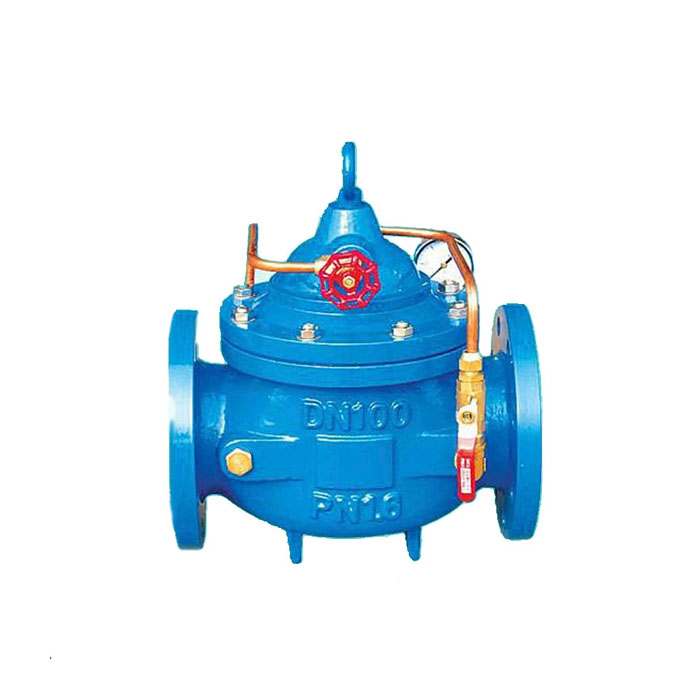
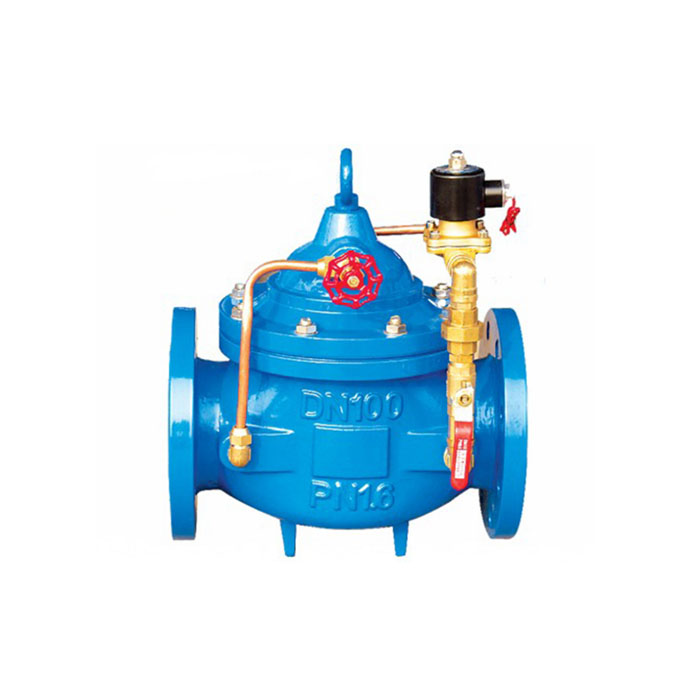
Control valve is a critical component in fluid systems that is used to regulate the flow, pressure, temperature, or level of a fluid within a process. It achieves this by varying the size of the flow passage as directed by a signal from a controller. Control valves are essential for maintaining precise control over the process conditions, ensuring that the system operates within specified parameters. They are widely used in industries such as oil and gas, chemical processing, power generation, and water treatment, where accurate control of fluid flow is crucial for operational efficiency and safety. Control valves come in various types, including globe valves, butterfly valves, ball valves, and diaphragm valves, each designed for specific applications and control requirements. The selection of a control valve depends on factors such as the type of fluid, flow rates, pressure and temperature conditions, and the desired level of control precision. Proper installation, calibration, and maintenance of control valves are essential to ensure their reliable and accurate performance within the fluid system.
Why Use Control Valves?
Control valves are used to regulate the flow, pressure, temperature, or level of a fluid within a process. They are essential for maintaining precise control over the process conditions, ensuring that the system operates within specified parameters. Control valves are widely used in various industries such as oil and gas, chemical processing, power generation, and water treatment, where accurate control of fluid flow is crucial for operational efficiency and safety. By using control valves, operators can adjust the flow rates and other process parameters to meet the changing demands of the system, optimize energy usage, and maintain product quality. Additionally, control valves play a critical role in ensuring the safety and reliability of the overall process by providing the means to regulate and manage the flow of fluids in a controlled and efficient manner. Overall, the use of control valves is essential for achieving precise and effective control over fluid processes, contributing to improved system performance, energy efficiency, and operational safety.












































































