


 galego
 africano
 albanés
 amárico
 árabe
árabe
 armenio
 azerbaiyano
 vasco
vasco
 bielorruso
 bengalí
 bosníaco
 búlgaro
 catalán
 Cebuano
 corso
corso
 croata
 checo
checo
 danés
danés
 holandés
 inglés
 Esperanto
 Estonio
 finés
finés
 francés
 frisona
 xeorxiano
 alemán
 grego
grego
 Gujarati
 crioulo haitiano
 hausa
hausa
 hawaiano
 hebreo
 non
non
 Miao
Miao
 húngaro
 islandés
 igbo
igbo
 indonesio
 irlandesa
 italiano
 xaponés
 xavanés
 Kannada
 casco
casco
 Khmer
Khmer
 Ruandés
 coreano
 kurdo
kurdo
 Kirguises
 TB
TB
 latín
latín
 letón
letón
 lituano
 luxemburgués
 macedonio
 Malgashi
 malaio
 malayalam
 maltés
 maorí
maorí
 Marathi
 mongol
 Myanmar
 nepalí
 noruegués
 noruegués
 occitano
 Pashto
 persa
persa
 polaco
 portugués
 Punjabi
 romanés
 ruso
ruso
 samoano
 Gaélico escocés
 serbio
 inglés
 Shona
Shona
 Sindhi
 cingalés
 eslovaco
 esloveno
 somalí
 español
 sundanés
 suahili
 sueco
sueco
 Tagalo
 taxico
 Tamil
Tamil
 tártaro
 Telugu
 tailandés
 turco
turco
 turcomano
 ucraíno
 Urdú
Urdú
 uigur
uigur
 uzbeco
 vietnamita
 galés
galés
 Axuda
Axuda
 yiddish
 ioruba
 Zulú
Zulú


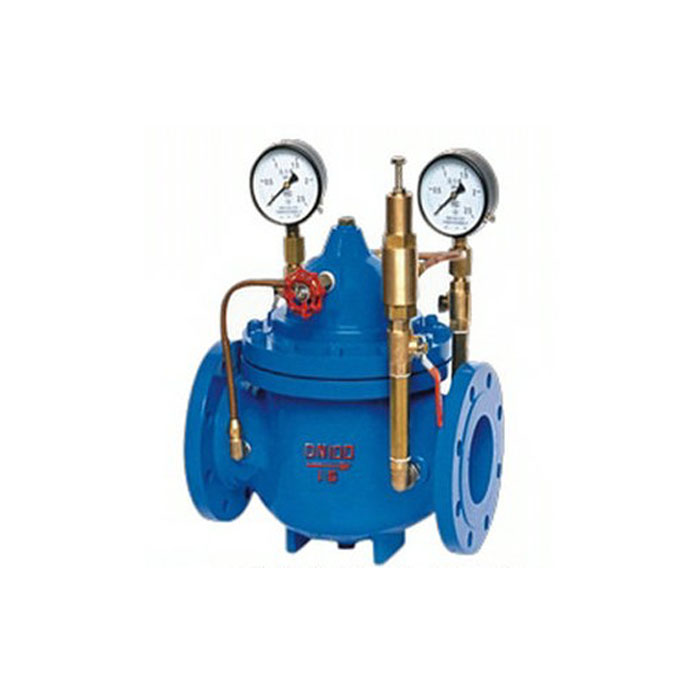
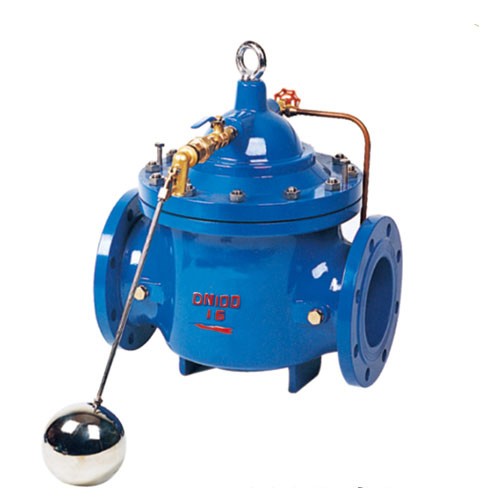
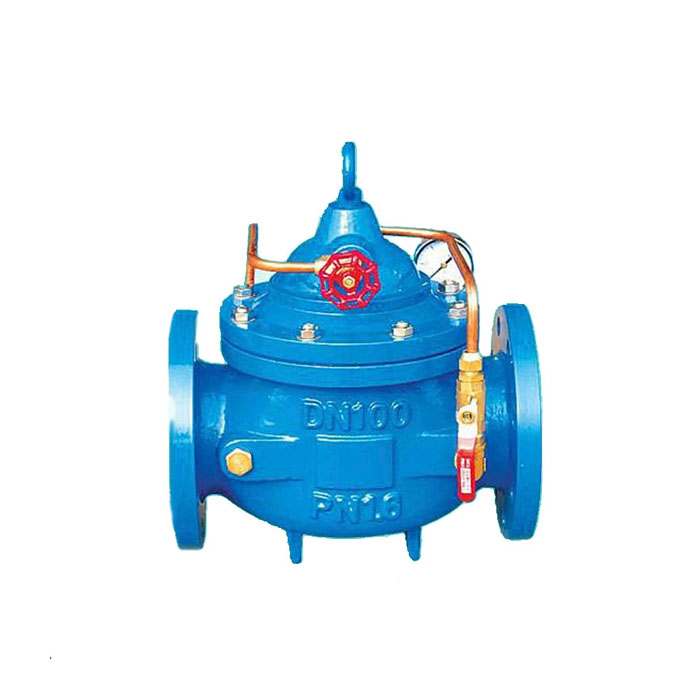
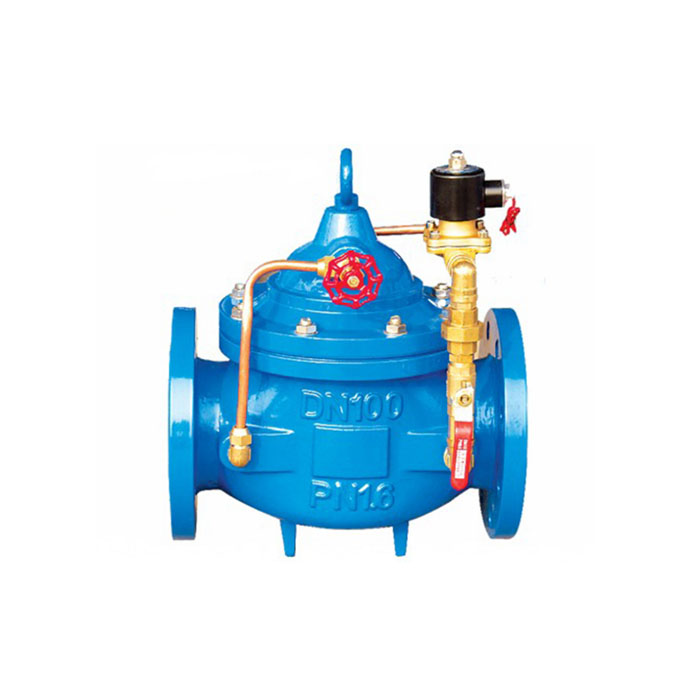
Control valve is a critical component in fluid systems that is used to regulate the flow, pressure, temperature, or level of a fluid within a process. It achieves this by varying the size of the flow passage as directed by a signal from a controller. Control valves are essential for maintaining precise control over the process conditions, ensuring that the system operates within specified parameters. They are widely used in industries such as oil and gas, chemical processing, power generation, and water treatment, where accurate control of fluid flow is crucial for operational efficiency and safety. Control valves come in various types, including globe valves, butterfly valves, ball valves, and diaphragm valves, each designed for specific applications and control requirements. The selection of a control valve depends on factors such as the type of fluid, flow rates, pressure and temperature conditions, and the desired level of control precision. Proper installation, calibration, and maintenance of control valves are essential to ensure their reliable and accurate performance within the fluid system.
Why Use Control Valves?
Control valves are used to regulate the flow, pressure, temperature, or level of a fluid within a process. They are essential for maintaining precise control over the process conditions, ensuring that the system operates within specified parameters. Control valves are widely used in various industries such as oil and gas, chemical processing, power generation, and water treatment, where accurate control of fluid flow is crucial for operational efficiency and safety. By using control valves, operators can adjust the flow rates and other process parameters to meet the changing demands of the system, optimize energy usage, and maintain product quality. Additionally, control valves play a critical role in ensuring the safety and reliability of the overall process by providing the means to regulate and manage the flow of fluids in a controlled and efficient manner. Overall, the use of control valves is essential for achieving precise and effective control over fluid processes, contributing to improved system performance, energy efficiency, and operational safety.












































































