


 Deutsch
 afrikanisch
 albanisch
 Amharisch
 Arabisch
 Armenisch
 Aserbaidschanisch
 baskisch
 Belarussisch
 Bengali
 bosnisch
 bulgarisch
 katalanisch
 Cebuano
 Korsisch
 kroatisch
 Tschechisch
 dänisch
 Niederländisch
 Englisch
 Esperanto
 estnisch
 finnisch
 Französisch
 Friesisch
 galizisch
 georgisch
 griechisch
 Gujarati
 Haitianisches Kreol
 Hausa
Hausa
 hawaiisch
 hebräisch
 Nein
Nein
 Miao
Miao
 ungarisch
 isländisch
 igbo
igbo
 Indonesisch
 irisch
 Italienisch
 japanisch
 Javanisch
 Kannada
 kasachisch
 Khmer
Khmer
 Ruandisch
 Koreanisch
 kurdisch
 Kirgisisch
 TB
TB
 Latein
 lettisch
 litauisch
 Luxemburgisch
 mazedonisch
 Malgashi
 malaiisch
 Malayalam
 maltesisch
 Maori
Maori
 Marathi
 mongolisch
 Myanmar
 Nepali
 norwegisch
 norwegisch
 Okzitanisch
 Paschtu
 persisch
 Polieren
 Portugiesisch
 Punjabi
 rumänisch
 Russisch
 Samoaner
 schottisch Gälisch
 serbisch
 Englisch
 Shona
Shona
 Sindhi
 Singhalesisch
 slowakisch
 Slowenisch
 somali
 Spanisch
 Sundanesisch
 Suaheli
 Schwedisch
 Tagalog
 Tadschikisch
 Tamilisch
 Tatarisch
 Telugu
 Thailändisch
 Türkisch
 Turkmenisch
 ukrainisch
 Urdu
Urdu
 Uigur
Uigur
 Usbekisch
 Vietnamesisch
 Walisisch
 Helfen
 Jiddisch
 Yoruba
 Zulu
Zulu


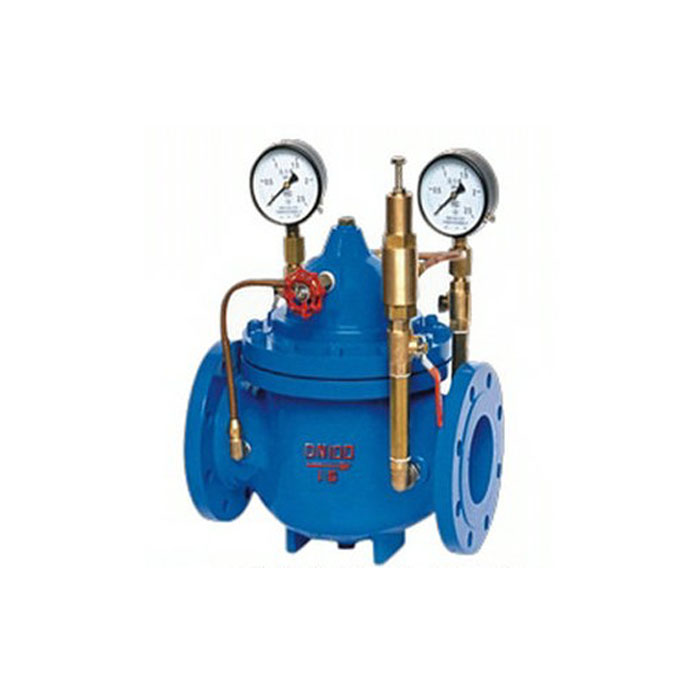
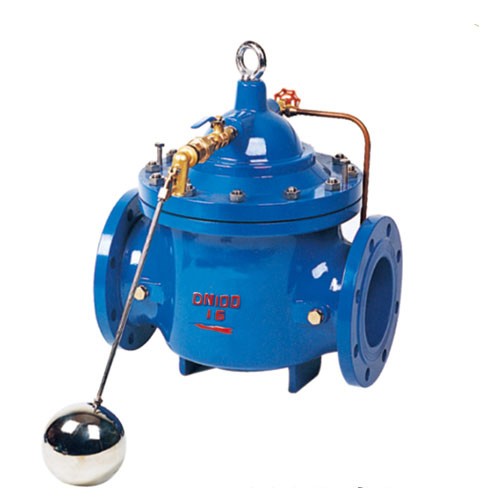
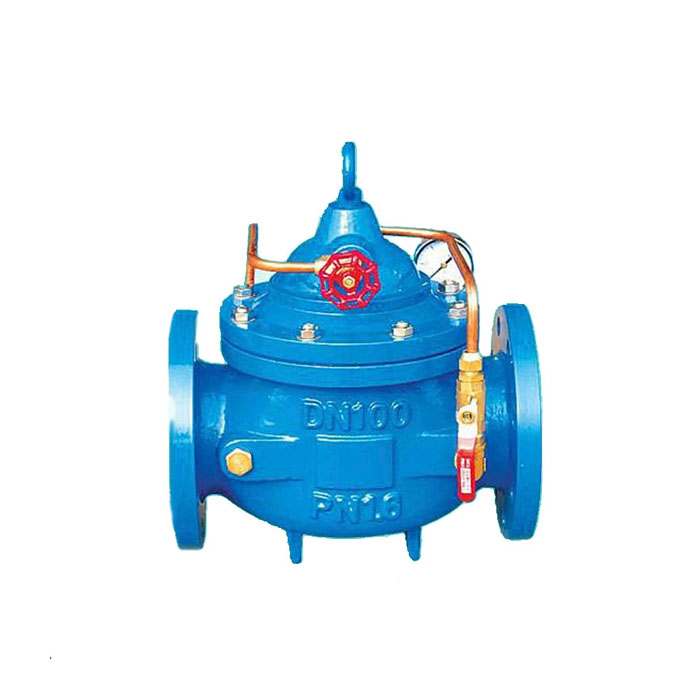
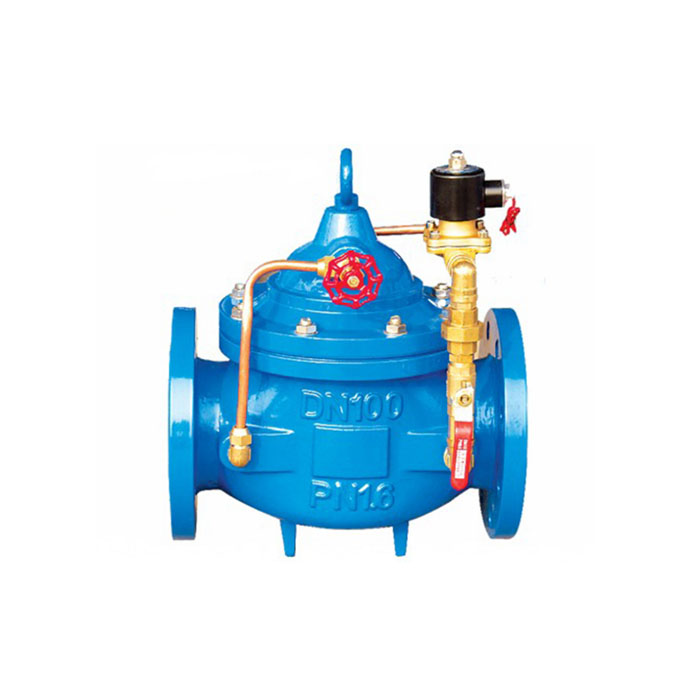
Control valve is a critical component in fluid systems that is used to regulate the flow, pressure, temperature, or level of a fluid within a process. It achieves this by varying the size of the flow passage as directed by a signal from a controller. Control valves are essential for maintaining precise control over the process conditions, ensuring that the system operates within specified parameters. They are widely used in industries such as oil and gas, chemical processing, power generation, and water treatment, where accurate control of fluid flow is crucial for operational efficiency and safety. Control valves come in various types, including globe valves, butterfly valves, ball valves, and diaphragm valves, each designed for specific applications and control requirements. The selection of a control valve depends on factors such as the type of fluid, flow rates, pressure and temperature conditions, and the desired level of control precision. Proper installation, calibration, and maintenance of control valves are essential to ensure their reliable and accurate performance within the fluid system.
Why Use Control Valves?
Control valves are used to regulate the flow, pressure, temperature, or level of a fluid within a process. They are essential for maintaining precise control over the process conditions, ensuring that the system operates within specified parameters. Control valves are widely used in various industries such as oil and gas, chemical processing, power generation, and water treatment, where accurate control of fluid flow is crucial for operational efficiency and safety. By using control valves, operators can adjust the flow rates and other process parameters to meet the changing demands of the system, optimize energy usage, and maintain product quality. Additionally, control valves play a critical role in ensuring the safety and reliability of the overall process by providing the means to regulate and manage the flow of fluids in a controlled and efficient manner. Overall, the use of control valves is essential for achieving precise and effective control over fluid processes, contributing to improved system performance, energy efficiency, and operational safety.












































































