


 Română
 african
 albanez
 amharică
 arabic
 armean
 Azerbaidjan
 bască
bască
 Belarus
 bengaleză
 Bosniac
 bulgară
 catalan
 Cebuano
 corsicană
 croat
croat
 ceh
ceh
 danez
danez
 olandeză
 Engleză
 esperanto
 estonă
 finlandeză
 limba franceza
 frizonă
 Galician
 georgian
 limba germana
 greacă
 Gujarati
 creolul haitian
 hausa
hausa
 hawaian
 ebraică
 nu
nu
 Miao
Miao
 maghiară
 islandez
 igbo
igbo
 indoneziană
 irlandez
 Italiană
 japonez
 javaneză
 Kannada
 kazah
kazah
 Khmer
Khmer
 ruandez
 coreeană
 kurdă
kurdă
 Kârgâz
 TB
TB
 latin
latin
 letonă
 lituanian
 luxemburghez
 macedonean
 Malgashi
 Malaeză
 Malayalam
 malteză
 maori
maori
 marathi
 mongol
 Myanmar
 nepaleză
 norvegian
 norvegian
 occitană
 Pashto
 persană
 Lustrui
 portugheză
 punjabi
 Rusă
Rusă
 samoană
 gaelic scoțian
 sârb
sârb
 Engleză
 Shona
Shona
 Sindhi
 Sinhala
 slovacă
 slovenă
 somalez
 Spaniolă
 Sundaneza
 Swahili
 suedez
 tagalog
 Tadjik
 tamil
tamil
 tătar
tătar
 Telugu
 thailandez
 turc
turc
 turkmeni
 ucrainean
 Urdu
Urdu
 Uighur
 uzbec
uzbec
 vietnamez
 galeză
 Ajutor
 idiş
idiş
 Yoruba
 Zulu
Zulu


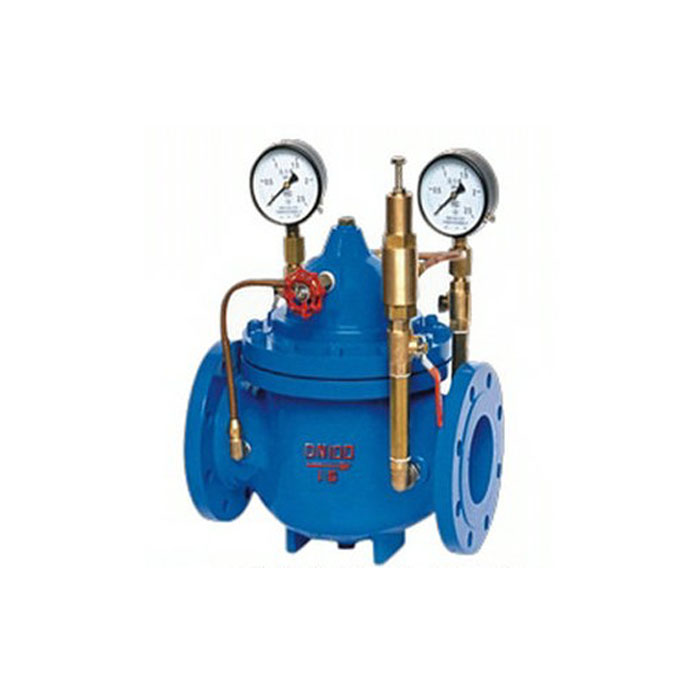
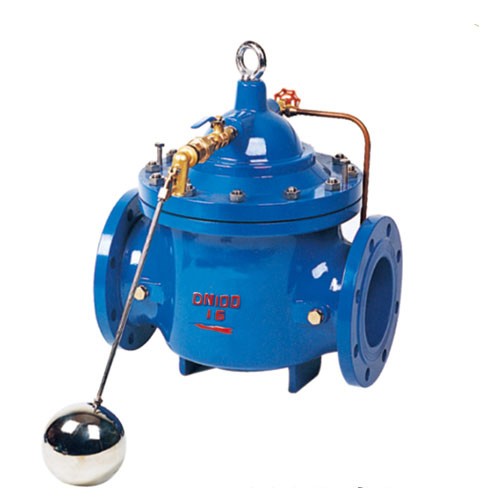
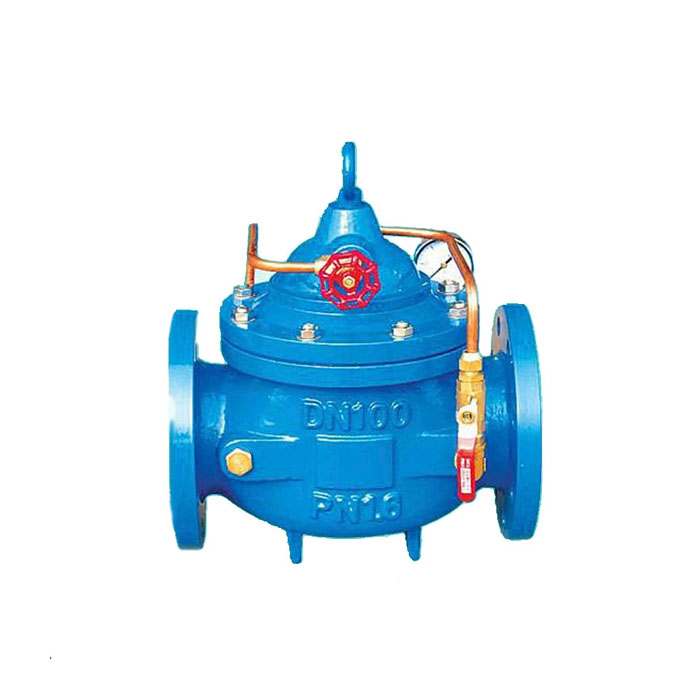
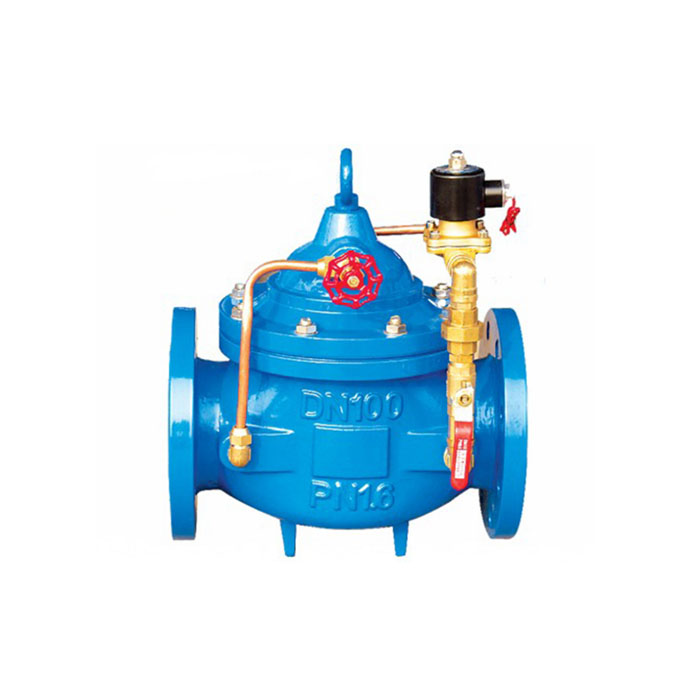
Control valve is a critical component in fluid systems that is used to regulate the flow, pressure, temperature, or level of a fluid within a process. It achieves this by varying the size of the flow passage as directed by a signal from a controller. Control valves are essential for maintaining precise control over the process conditions, ensuring that the system operates within specified parameters. They are widely used in industries such as oil and gas, chemical processing, power generation, and water treatment, where accurate control of fluid flow is crucial for operational efficiency and safety. Control valves come in various types, including globe valves, butterfly valves, ball valves, and diaphragm valves, each designed for specific applications and control requirements. The selection of a control valve depends on factors such as the type of fluid, flow rates, pressure and temperature conditions, and the desired level of control precision. Proper installation, calibration, and maintenance of control valves are essential to ensure their reliable and accurate performance within the fluid system.
Why Use Control Valves?
Control valves are used to regulate the flow, pressure, temperature, or level of a fluid within a process. They are essential for maintaining precise control over the process conditions, ensuring that the system operates within specified parameters. Control valves are widely used in various industries such as oil and gas, chemical processing, power generation, and water treatment, where accurate control of fluid flow is crucial for operational efficiency and safety. By using control valves, operators can adjust the flow rates and other process parameters to meet the changing demands of the system, optimize energy usage, and maintain product quality. Additionally, control valves play a critical role in ensuring the safety and reliability of the overall process by providing the means to regulate and manage the flow of fluids in a controlled and efficient manner. Overall, the use of control valves is essential for achieving precise and effective control over fluid processes, contributing to improved system performance, energy efficiency, and operational safety.












































































