


 català
 africana
 albanès
 amàric
 àrab
àrab
 armeni
 azerbaidjana
 basc
basc
 Bielorús
 bengalí
 bosnià
 búlgar
 Cebuà
Cebuà
 Cors
Cors
 croat
croat
 txec
txec
 danès
danès
 holandès
 Anglès
 esperanto
 estonià
 finès
finès
 francès
 frisó
frisó
 gallec
 georgiana
 alemany
 grec
grec
 Gujarati
 crioll haitiano
 hausa
hausa
 hawaià
 hebreu
 No
No
 Miao
Miao
 hongarès
 islandès
 igbo
igbo
 indonesi
 irlandesa
 italià
 japonès
 javanès
 Kannada
 kazakh
 Khmer
Khmer
 Ruandès
 coreà
coreà
 kurd
kurd
 kirguis
 TB
TB
 llatí
llatí
 letó
letó
 lituà
lituà
 luxemburguesa
 macedoni
 Malgashi
 Malai
Malai
 malayalam
 maltès
 Maori
Maori
 Marathi
 mongol
 Myanmar
 nepalí
 noruec
 noruec
 occità
 Pashto
 persa
persa
 polonès
 portuguès
 panjabi
 romanès
 rus
rus
 samoà
samoà
 Gaèlic escocès
 serbi
serbi
 Anglès
 Shona
Shona
 Sindhi
 Sinhala
 eslovac
 eslovè
 Somali
 espanyol
 Sundanès
 suahili
 suec
suec
 Tagalog
 Tadjik
 Tamil
Tamil
 Tàrtar
 Telugu
 tailandès
 turc
turc
 turcomà
 Ucraïnès
 Urdú
Urdú
 uigur
uigur
 Uzbek
Uzbek
 vietnamita
 gal·lès
 Ajuda
Ajuda
 Yiddish
 ioruba
 Zulu
Zulu


Control valve is a critical component in fluid systems that is used to regulate the flow, pressure, temperature, or level of a fluid within a process. It achieves this by varying the size of the flow passage as directed by a signal from a controller. Control valves are essential for maintaining precise control over the process conditions, ensuring that the system operates within specified parameters. They are widely used in industries such as oil and gas, chemical processing, power generation, and water treatment, where accurate control of fluid flow is crucial for operational efficiency and safety. Control valves come in various types, including globe valves, butterfly valves, ball valves, and diaphragm valves, each designed for specific applications and control requirements. The selection of a control valve depends on factors such as the type of fluid, flow rates, pressure and temperature conditions, and the desired level of control precision. Proper installation, calibration, and maintenance of control valves are essential to ensure their reliable and accurate performance within the fluid system.
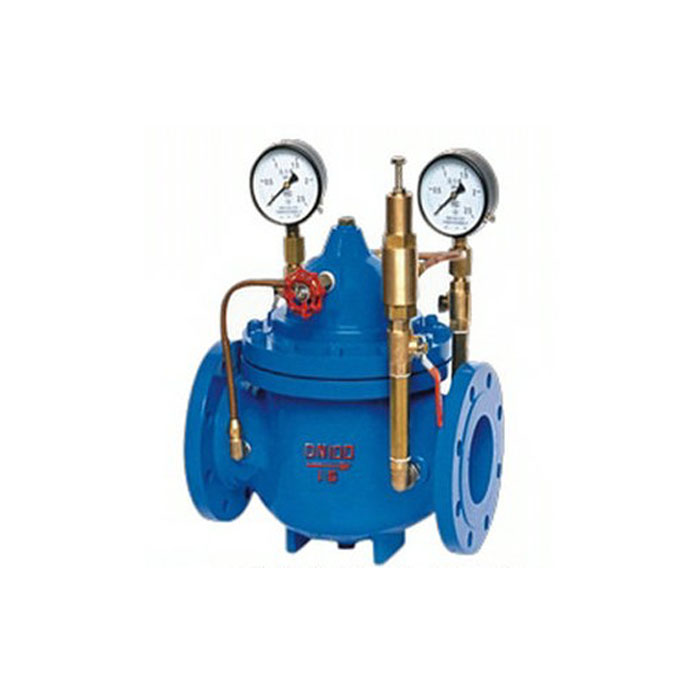
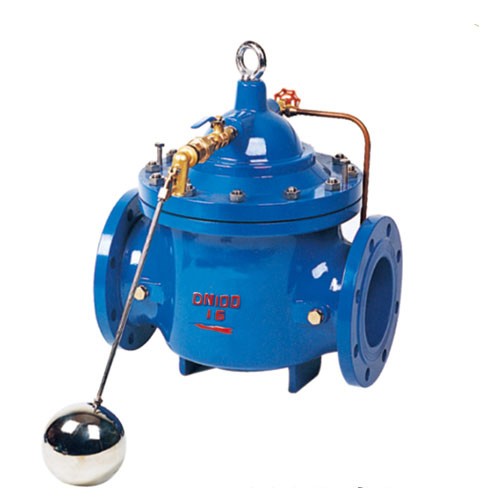
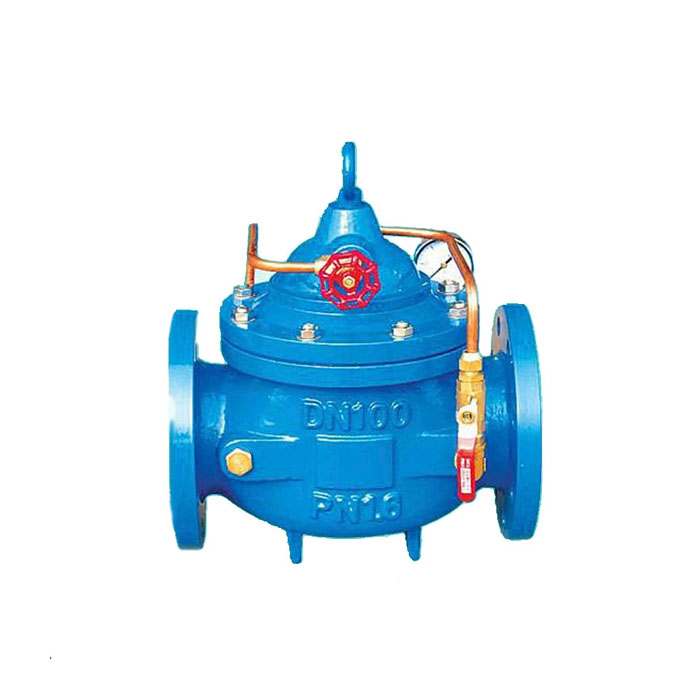
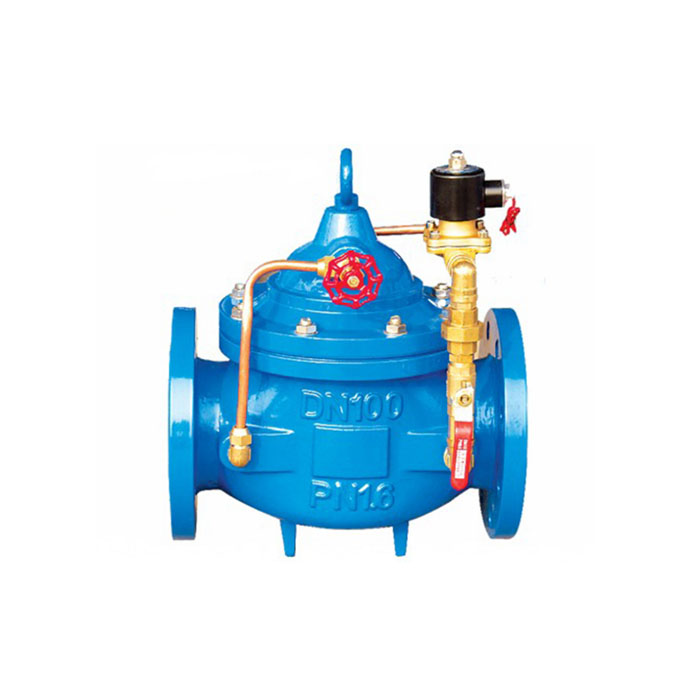
Why Use Control Valves?
Control valves are used to regulate the flow, pressure, temperature, or level of a fluid within a process. They are essential for maintaining precise control over the process conditions, ensuring that the system operates within specified parameters. Control valves are widely used in various industries such as oil and gas, chemical processing, power generation, and water treatment, where accurate control of fluid flow is crucial for operational efficiency and safety. By using control valves, operators can adjust the flow rates and other process parameters to meet the changing demands of the system, optimize energy usage, and maintain product quality. Additionally, control valves play a critical role in ensuring the safety and reliability of the overall process by providing the means to regulate and manage the flow of fluids in a controlled and efficient manner. Overall, the use of control valves is essential for achieving precise and effective control over fluid processes, contributing to improved system performance, energy efficiency, and operational safety.












































































