


 فارسی
فارسی
 آفریقایی
 آلبانیایی
 آمهری
آمهری
 عربی
عربی
 ارمنی
ارمنی
 آذربایجانی
 باسکی
باسکی
 بلاروسی
 بنگالی
 بوسنیایی
 بلغاری
 کاتالان
 سبوانو
 کورسی
کورسی
 کروات
کروات
 کشور چک
 دانمارکی
 هلندی
هلندی
 انگلیسی
 اسپرانتو
 استونیایی
 فنلاندی
 فرانسوی
 فریزی
فریزی
 گالیسیایی
 گرجی
گرجی
 آلمانی
 یونانی
 گجراتی
 کریول هائیتی
 هاوسا
هاوسا
 هاوایی
 عبری
عبری
 جواب منفی
 میائو
میائو
 مجارستانی
 ایسلندی
 igbo
igbo
 اندونزیایی
 ایرلندی
 ایتالیایی
 ژاپنی
ژاپنی
 جاوه ای
 کانادا
 قزاقی
قزاقی
 خمر
خمر
 رواندا
 کره ای
 کردی
کردی
 قرقیزستان
 سل
سل
 لاتین
لاتین
 لتونی
لتونی
 لیتوانیایی
 لوگزامبورگی
 مقدونی
 مالگاشی
 مالایی
 مالایایی
 مالتی
مالتی
 مائوری
 مراتی
مراتی
 مغولی
مغولی
 میانمار
 نپالی
نپالی
 نروژی
نروژی
 نروژی
نروژی
 اکسیتان
 پشتو
پشتو
 لهستانی
 پرتغالی
 پنجابی
 رومانیایی
 روسی
روسی
 ساموآ
ساموآ
 گیلیک اسکاتلندی
 صربی
صربی
 انگلیسی
 شونا
شونا
 سندی
سندی
 سینهالی
 اسلواکی
 اسلوونیایی
 سومالی
 اسپانیایی
 ساندانی
 سواحیلی
 سوئدی
سوئدی
 تاگالوگ
 تاجیک
تاجیک
 تامیل
تامیل
 تاتاری
 تلوگو
تلوگو
 تایلندی
 ترکی
ترکی
 ترکمن
ترکمن
 اوکراینی
 اردو
اردو
 اویغور
 ازبکستان
 ویتنامی
 ولز
ولز
 کمک
کمک
 ییدیش
ییدیش
 یوروبا
 زولو
زولو


Control valve is a critical component in fluid systems that is used to regulate the flow, pressure, temperature, or level of a fluid within a process. It achieves this by varying the size of the flow passage as directed by a signal from a controller. Control valves are essential for maintaining precise control over the process conditions, ensuring that the system operates within specified parameters. They are widely used in industries such as oil and gas, chemical processing, power generation, and water treatment, where accurate control of fluid flow is crucial for operational efficiency and safety. Control valves come in various types, including globe valves, butterfly valves, ball valves, and diaphragm valves, each designed for specific applications and control requirements. The selection of a control valve depends on factors such as the type of fluid, flow rates, pressure and temperature conditions, and the desired level of control precision. Proper installation, calibration, and maintenance of control valves are essential to ensure their reliable and accurate performance within the fluid system.
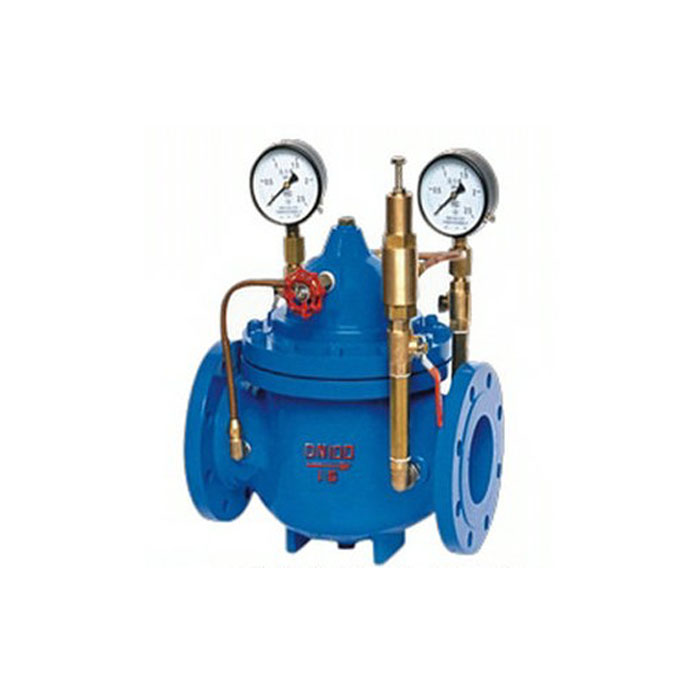
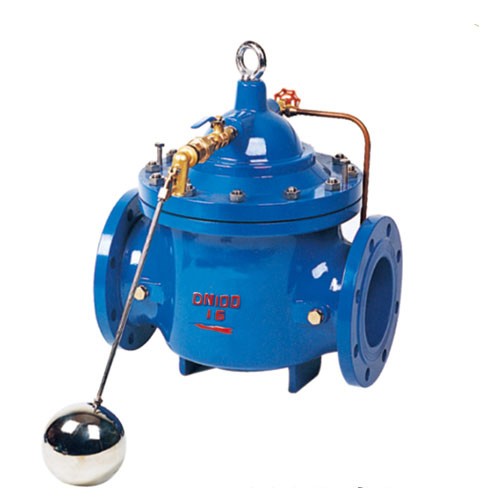
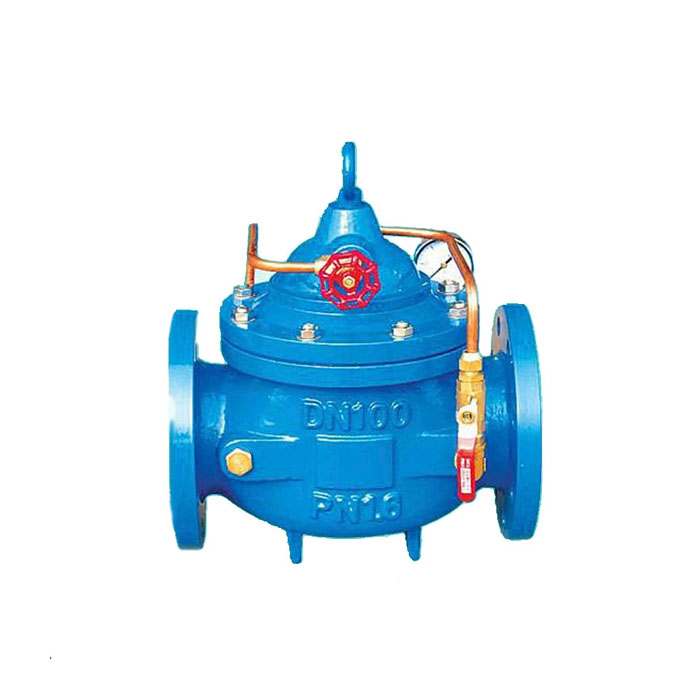
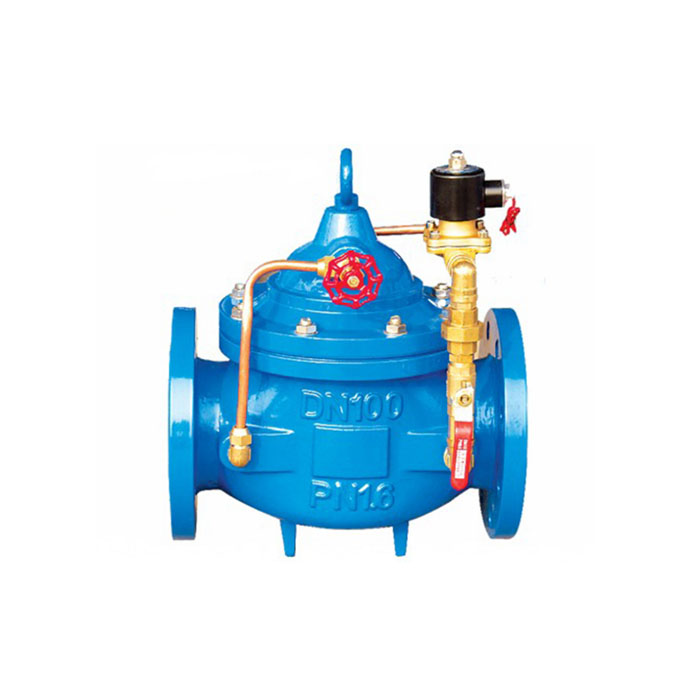
Why Use Control Valves?
Control valves are used to regulate the flow, pressure, temperature, or level of a fluid within a process. They are essential for maintaining precise control over the process conditions, ensuring that the system operates within specified parameters. Control valves are widely used in various industries such as oil and gas, chemical processing, power generation, and water treatment, where accurate control of fluid flow is crucial for operational efficiency and safety. By using control valves, operators can adjust the flow rates and other process parameters to meet the changing demands of the system, optimize energy usage, and maintain product quality. Additionally, control valves play a critical role in ensuring the safety and reliability of the overall process by providing the means to regulate and manage the flow of fluids in a controlled and efficient manner. Overall, the use of control valves is essential for achieving precise and effective control over fluid processes, contributing to improved system performance, energy efficiency, and operational safety.












































































