


 فارسی
فارسی
 آفریقایی
 آلبانیایی
 آمهری
آمهری
 عربی
عربی
 ارمنی
ارمنی
 آذربایجانی
 باسکی
باسکی
 بلاروسی
 بنگالی
 بوسنیایی
 بلغاری
 کاتالان
 سبوانو
 کورسی
کورسی
 کروات
کروات
 کشور چک
 دانمارکی
 هلندی
هلندی
 انگلیسی
 اسپرانتو
 استونیایی
 فنلاندی
 فرانسوی
 فریزی
فریزی
 گالیسیایی
 گرجی
گرجی
 آلمانی
 یونانی
 گجراتی
 کریول هائیتی
 هاوسا
هاوسا
 هاوایی
 عبری
عبری
 جواب منفی
 میائو
میائو
 مجارستانی
 ایسلندی
 igbo
igbo
 اندونزیایی
 ایرلندی
 ایتالیایی
 ژاپنی
ژاپنی
 جاوه ای
 کانادا
 قزاقی
قزاقی
 خمر
خمر
 رواندا
 کره ای
 کردی
کردی
 قرقیزستان
 سل
سل
 لاتین
لاتین
 لتونی
لتونی
 لیتوانیایی
 لوگزامبورگی
 مقدونی
 مالگاشی
 مالایی
 مالایایی
 مالتی
مالتی
 مائوری
 مراتی
مراتی
 مغولی
مغولی
 میانمار
 نپالی
نپالی
 نروژی
نروژی
 نروژی
نروژی
 اکسیتان
 پشتو
پشتو
 لهستانی
 پرتغالی
 پنجابی
 رومانیایی
 روسی
روسی
 ساموآ
ساموآ
 گیلیک اسکاتلندی
 صربی
صربی
 انگلیسی
 شونا
شونا
 سندی
سندی
 سینهالی
 اسلواکی
 اسلوونیایی
 سومالی
 اسپانیایی
 ساندانی
 سواحیلی
 سوئدی
سوئدی
 تاگالوگ
 تاجیک
تاجیک
 تامیل
تامیل
 تاتاری
 تلوگو
تلوگو
 تایلندی
 ترکی
ترکی
 ترکمن
ترکمن
 اوکراینی
 اردو
اردو
 اویغور
 ازبکستان
 ویتنامی
 ولز
ولز
 کمک
کمک
 ییدیش
ییدیش
 یوروبا
 زولو
زولو


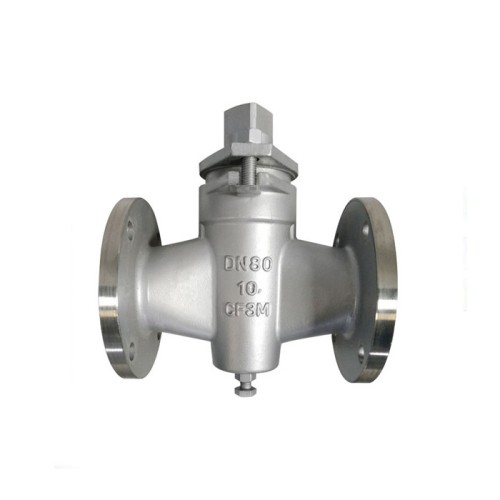
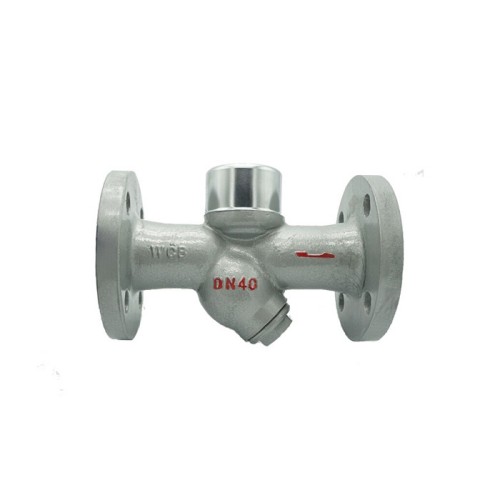
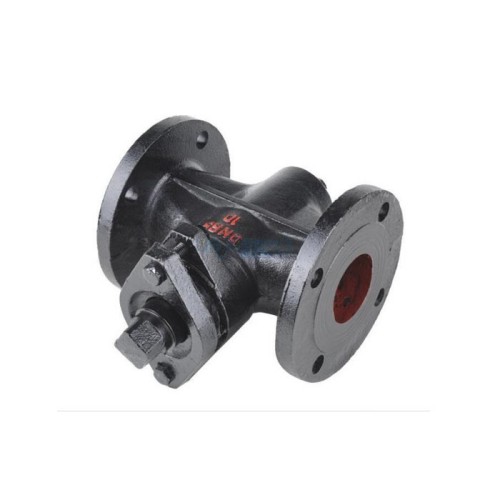
Plug valve is a type of quarter-turn valve that uses a cylindrical or tapered plug to control the flow of fluid through the valve. The plug can be rotated within the valve body to allow or block the flow, making it a versatile and reliable option for various applications. Plug valves are commonly used in industries such as oil and gas, chemical processing, and water treatment, where they are valued for their ability to provide tight shutoff and low maintenance requirements. These valves are suitable for on/off and throttling applications, and they are often used in systems where frequent operation and positive shutoff are essential. The design of plug valves allows for quick and easy operation, making them well-suited for applications that require rapid response to flow control changes. Additionally, plug valves are available in various configurations, including lubricated plug valves, non-lubricated plug valves, and sleeved plug valves, each offering specific advantages for different operating conditions. Proper selection and maintenance of plug valves are essential to ensure their reliable performance and longevity within the fluid system.
What Is The Difference Between A Plug Valve And A Gate Valve?
The main difference between a plug valve and a gate valve lies in their internal mechanisms and how they control the flow of fluid.
Plug valve uses a cylindrical or tapered plug to control the flow. The plug can be rotated within the valve body to allow or block the flow, making it a versatile option for various applications. Plug valves are commonly used for on/off and throttling applications, and they are known for their tight shutoff capabilities and low maintenance requirements.
On the other hand, gate valve controls the flow of fluid using a gate or wedge that moves up and down to either block or allow the flow. Gate valves are typically used for fully open or fully closed applications, rather than for throttling. They are known for their ability to provide a tight seal when fully closed, but they may not offer the same level of control as plug valves in throttling applications.
In summary, the key difference is that plug valves use a cylindrical or tapered plug to control flow and are suitable for both on/off and throttling applications, while gate valves use a gate or wedge to control flow and are primarily used for fully open or fully closed applications.












































































