


 TB
TB
 ອາຟຣິກາ
 ອານບານີ
 Amharic
 ອາຣັບ
ອາຣັບ
 ອາເມເນຍ
 ອາເຊີໄບຈັນ
 Basque
 ເບລາຣຸດ
 ເບັງກາລີ
 ໂບສເນຍ
 ບຸນກາຣີ
 ຄາຕາລານ
 ເຊບູອາໂນ
 Corsican
 ໂຄຣເອເຊຍ
 ເຊັກ
ເຊັກ
 ເດັນມາກ
 ໂຮນລັງ
 ພາສາອັງກິດ
 ເອສເປີຣັນໂຕ
 ເອສໂຕເນຍ
 ຟິນແລນ
 ພາສາຝຣັ່ງ
 Frisian
 ກາລິຊຽນ
 ຈໍເຈຍ
ຈໍເຈຍ
 ເຢຍລະມັນ
 ກຣີກ
ກຣີກ
 ກູຈາຣາຕີ
 ເຮຕີ ຄຣີໂອ
 ໂຮຊາ
ໂຮຊາ
 ຮາວາຍ
ຮາວາຍ
 ເຮັບເຣີ
 ບໍ່
ບໍ່
 ມວຍ
ມວຍ
 ຮັງກາຣີ
 ໄອສແລນຕິກ
 ອິກໂບ
ອິກໂບ
 ອິນໂດເນເຊຍ
 ໄອແລນ
ໄອແລນ
 ອິຕາລຽນ
 ພາສາຍີ່ປຸ່ນ
 ພາສາ Javanese
 ແຄນນາດາ
 ຄາຊັກ
ຄາຊັກ
 ຂະເໝນ
ຂະເໝນ
 ຣູວັນດາ
 ເກົາຫຼີ
 ຊາວເຄີດ
 ກີຈີສ
ກີຈີສ
 ລາຕິນ
ລາຕິນ
 ລັດເວຍ
 ລິທົວເນຍ
 Luxembourgish
 ມາເຊໂດເນຍ
 ມາລກາຊິ
 ມາເລ
ມາເລ
 ມາລາຢາລາມ
 Maltese
 Maori
Maori
 Marathi
 ມົງໂກລີ
 ມຽນມາ
ມຽນມາ
 ເນປານ
ເນປານ
 ນໍເວ
ນໍເວ
 ນໍເວ
ນໍເວ
 ໂອຊິຕັນ
 ພາສໂຕ
ພາສໂຕ
 ເປີເຊຍ
 ໂປໂລຍ
ໂປໂລຍ
 ພາສາປອກຕຸຍການ
 ປັນຈາບີ
 ໂຣມາເນຍ
 ພາສາລັດເຊຍ
 ຊາມົວ
ຊາມົວ
 Scottish Gaelic
 ເຊີເບຍ
 ພາສາອັງກິດ
 ໂຊນາ
ໂຊນາ
 ຊິນດີ
ຊິນດີ
 Sinhala
 ສະໂລວັກ
 ສະໂລເວເນຍ
 ໂຊມາລີ
 ແອສປາໂຍນ
 ຊູດານ
ຊູດານ
 ສະວາຮິລີ
 ຊູແອັດ
 ພາສາຕາກາລັອກ
 ທາຈິກ
ທາຈິກ
 ທະມິນ
ທະມິນ
 ທາຕາ
ທາຕາ
 ເຕລູກູ
 ໄທ
ໄທ
 ຕວກກີ
ຕວກກີ
 ເຕີກເມັນ
 ອູແກຣນ
 ພາສາອູດູ
 ອູຍເກີ
 ອຸສເບກ
 ຫວຽດນາມ
 ເວນ
ເວນ
 ຊ່ວຍເຫຼືອ
 ຍິດ
ຍິດ
 ໂຢຣູບາ
 ຊູລູ
ຊູລູ


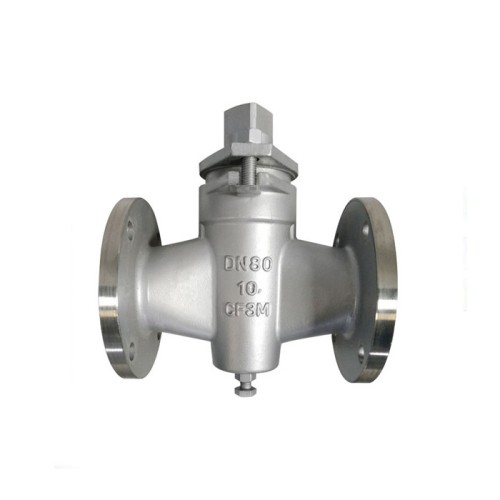
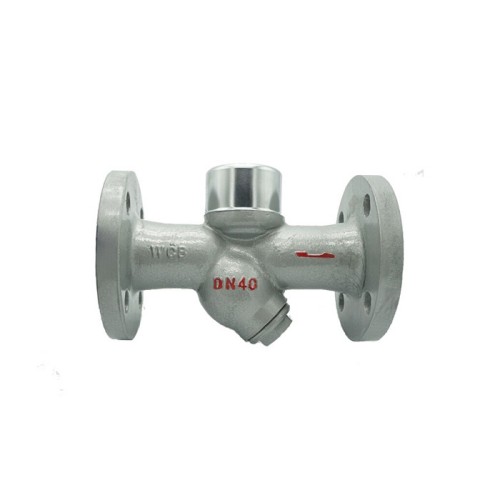
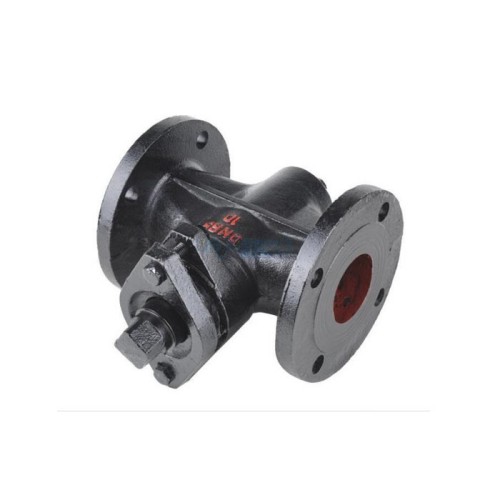
Plug valve is a type of quarter-turn valve that uses a cylindrical or tapered plug to control the flow of fluid through the valve. The plug can be rotated within the valve body to allow or block the flow, making it a versatile and reliable option for various applications. Plug valves are commonly used in industries such as oil and gas, chemical processing, and water treatment, where they are valued for their ability to provide tight shutoff and low maintenance requirements. These valves are suitable for on/off and throttling applications, and they are often used in systems where frequent operation and positive shutoff are essential. The design of plug valves allows for quick and easy operation, making them well-suited for applications that require rapid response to flow control changes. Additionally, plug valves are available in various configurations, including lubricated plug valves, non-lubricated plug valves, and sleeved plug valves, each offering specific advantages for different operating conditions. Proper selection and maintenance of plug valves are essential to ensure their reliable performance and longevity within the fluid system.
What Is The Difference Between A Plug Valve And A Gate Valve?
The main difference between a plug valve and a gate valve lies in their internal mechanisms and how they control the flow of fluid.
Plug valve uses a cylindrical or tapered plug to control the flow. The plug can be rotated within the valve body to allow or block the flow, making it a versatile option for various applications. Plug valves are commonly used for on/off and throttling applications, and they are known for their tight shutoff capabilities and low maintenance requirements.
On the other hand, gate valve controls the flow of fluid using a gate or wedge that moves up and down to either block or allow the flow. Gate valves are typically used for fully open or fully closed applications, rather than for throttling. They are known for their ability to provide a tight seal when fully closed, but they may not offer the same level of control as plug valves in throttling applications.
In summary, the key difference is that plug valves use a cylindrical or tapered plug to control flow and are suitable for both on/off and throttling applications, while gate valves use a gate or wedge to control flow and are primarily used for fully open or fully closed applications.












































































