


 euskara
 afrikarra
 Albaniarra
 Amharikoa
 arabiera
 armeniarra
 Azerbaijangoa
 bielorrusiera
 bengalera
 bosniarra
 bulgariera
 katalana
 Cebuano
 Korsikera
 kroaziera
 Txekiar
 Danimarka
 holandarra
 ingelesa
 esperantoa
 Estoniarra
 Finlandiera
 frantsesa
 frisiera
 galegoa
 georgiarra
 alemana
 grekoa
 gujaratera
 Haitiko kreolera
 hausa
hausa
 hawaiarra
 hebreera
 Ezetz
Ezetz
 Miao
Miao
 hungariera
 islandiera
 igbo
igbo
 Indonesian
 irlandera
 italiarra
 japoniarra
 javera
 Kannada
 kazakh
 Khmer
Khmer
 Ruanda
 Korean
 kurduera
 kirgizera
 TB
TB
 latina
 letoniera
 Lituaniera
 Luxenburgera
 Mazedoniera
 Malgashi
 malaysiera
 malayalamera
 maltera
 maoria
 Marathia
 Mongoliera
 Myanmar
 Nepaliarra
 Norvegiara
 Norvegiara
 okzitaniera
 Paxtuera
 pertsiera
 poloniarra
 portugesa
 punjabera
 errumaniera
 errusiera
 samoarra
 Eskoziako gaelikoa
 serbiarra
 ingelesa
 Shona
Shona
 Sindhia
 Sinhalera
 eslovakiera
 Esloveniera
 somaliera
 gaztelania
 Sundanera
 Swahilia
 Suediera
 Tagalog
 Tajik
Tajik
 Tamila
 tatariarra
 Telugu
 thailandiera
 turkiera
 Turkmenera
 Ukrainara
 Urdu
Urdu
 uigurrera
 uzbekera
 Vietnamera
 galesera
 Laguntza
 Jiddisha
 Yoruba
 Zulua
Zulua


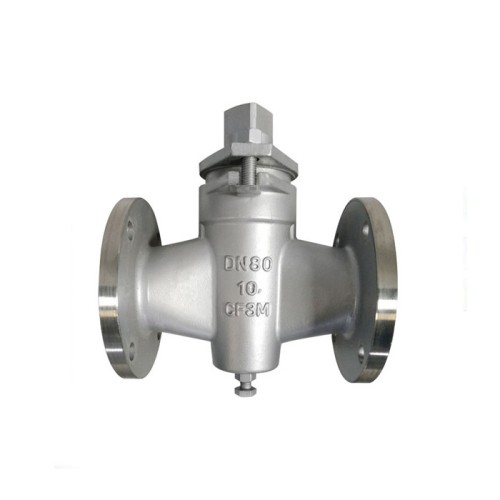
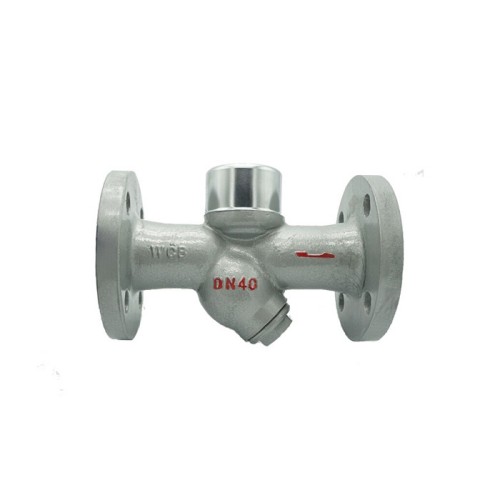
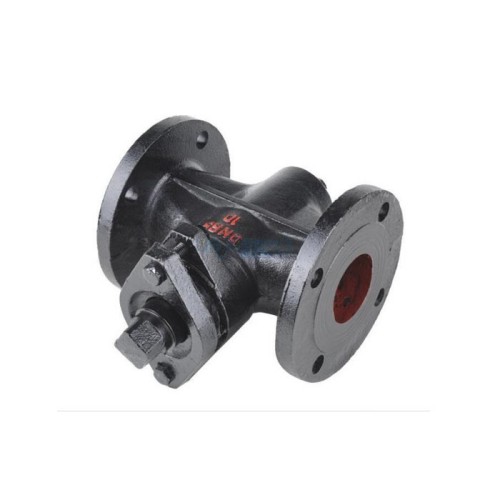
Plug valve is a type of quarter-turn valve that uses a cylindrical or tapered plug to control the flow of fluid through the valve. The plug can be rotated within the valve body to allow or block the flow, making it a versatile and reliable option for various applications. Plug valves are commonly used in industries such as oil and gas, chemical processing, and water treatment, where they are valued for their ability to provide tight shutoff and low maintenance requirements. These valves are suitable for on/off and throttling applications, and they are often used in systems where frequent operation and positive shutoff are essential. The design of plug valves allows for quick and easy operation, making them well-suited for applications that require rapid response to flow control changes. Additionally, plug valves are available in various configurations, including lubricated plug valves, non-lubricated plug valves, and sleeved plug valves, each offering specific advantages for different operating conditions. Proper selection and maintenance of plug valves are essential to ensure their reliable performance and longevity within the fluid system.
What Is The Difference Between A Plug Valve And A Gate Valve?
The main difference between a plug valve and a gate valve lies in their internal mechanisms and how they control the flow of fluid.
Plug valve uses a cylindrical or tapered plug to control the flow. The plug can be rotated within the valve body to allow or block the flow, making it a versatile option for various applications. Plug valves are commonly used for on/off and throttling applications, and they are known for their tight shutoff capabilities and low maintenance requirements.
On the other hand, gate valve controls the flow of fluid using a gate or wedge that moves up and down to either block or allow the flow. Gate valves are typically used for fully open or fully closed applications, rather than for throttling. They are known for their ability to provide a tight seal when fully closed, but they may not offer the same level of control as plug valves in throttling applications.
In summary, the key difference is that plug valves use a cylindrical or tapered plug to control flow and are suitable for both on/off and throttling applications, while gate valves use a gate or wedge to control flow and are primarily used for fully open or fully closed applications.












































































