


 euskara
 afrikarra
 Albaniarra
 Amharikoa
 arabiera
 armeniarra
 Azerbaijangoa
 bielorrusiera
 bengalera
 bosniarra
 bulgariera
 katalana
 Cebuano
 Korsikera
 kroaziera
 Txekiar
 Danimarka
 holandarra
 ingelesa
 esperantoa
 Estoniarra
 Finlandiera
 frantsesa
 frisiera
 galegoa
 georgiarra
 alemana
 grekoa
 gujaratera
 Haitiko kreolera
 hausa
hausa
 hawaiarra
 hebreera
 Ezetz
Ezetz
 Miao
Miao
 hungariera
 islandiera
 igbo
igbo
 Indonesian
 irlandera
 italiarra
 japoniarra
 javera
 Kannada
 kazakh
 Khmer
Khmer
 Ruanda
 Korean
 kurduera
 kirgizera
 TB
TB
 latina
 letoniera
 Lituaniera
 Luxenburgera
 Mazedoniera
 Malgashi
 malaysiera
 malayalamera
 maltera
 maoria
 Marathia
 Mongoliera
 Myanmar
 Nepaliarra
 Norvegiara
 Norvegiara
 okzitaniera
 Paxtuera
 pertsiera
 poloniarra
 portugesa
 punjabera
 errumaniera
 errusiera
 samoarra
 Eskoziako gaelikoa
 serbiarra
 ingelesa
 Shona
Shona
 Sindhia
 Sinhalera
 eslovakiera
 Esloveniera
 somaliera
 gaztelania
 Sundanera
 Swahilia
 Suediera
 Tagalog
 Tajik
Tajik
 Tamila
 tatariarra
 Telugu
 thailandiera
 turkiera
 Turkmenera
 Ukrainara
 Urdu
Urdu
 uigurrera
 uzbekera
 Vietnamera
 galesera
 Laguntza
 Jiddisha
 Yoruba
 Zulua
Zulua


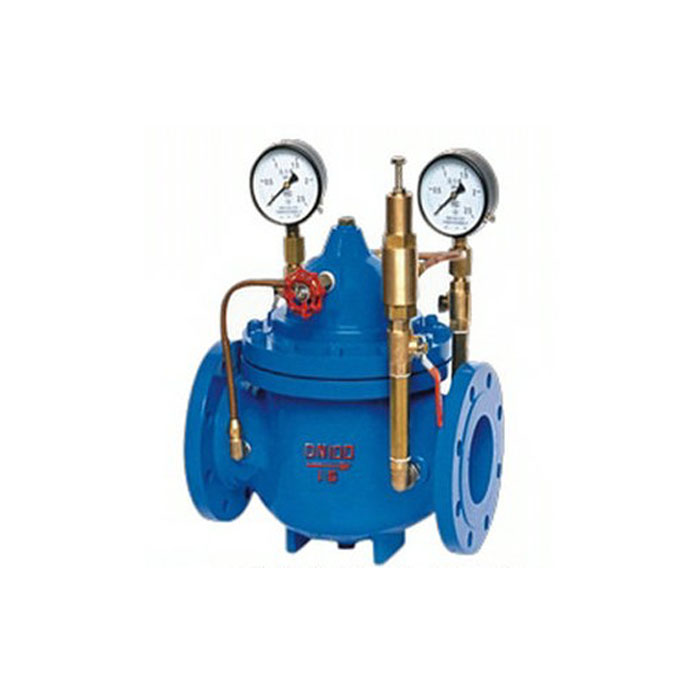
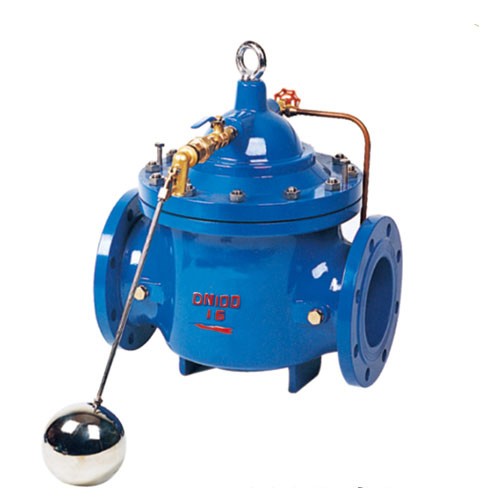
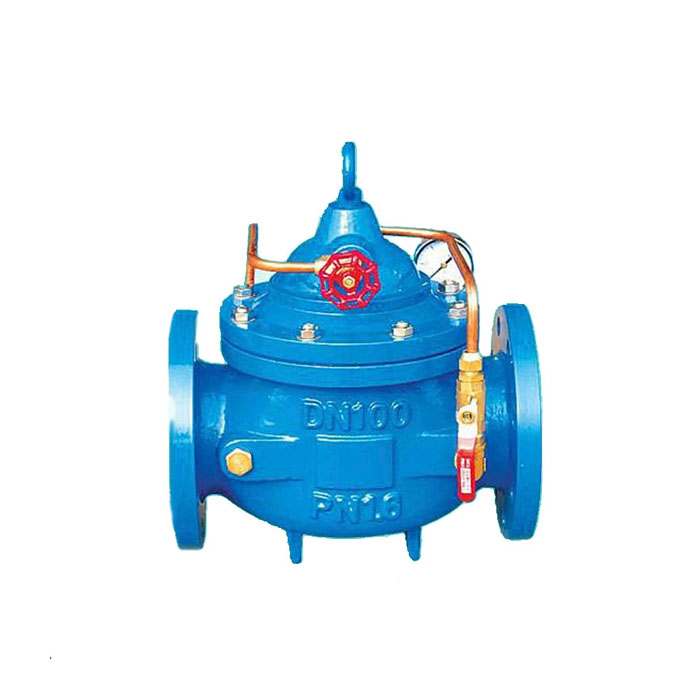
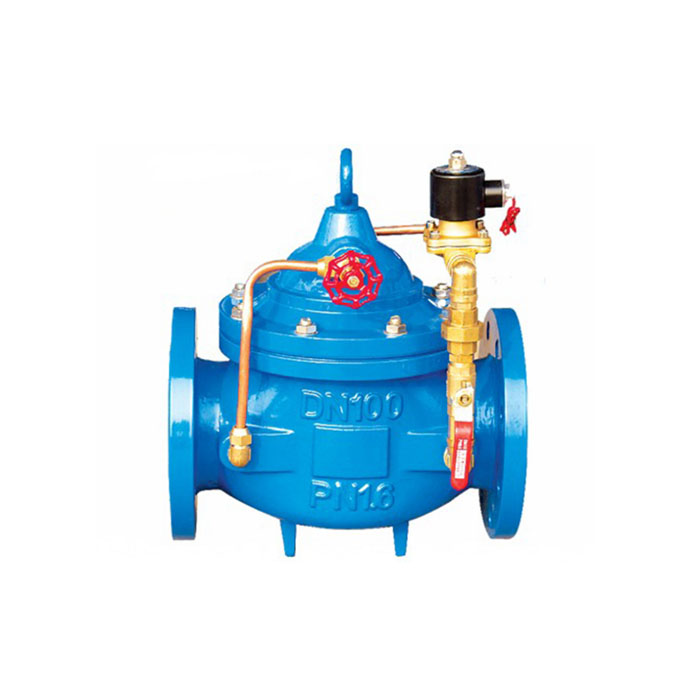
Control valve is a critical component in fluid systems that is used to regulate the flow, pressure, temperature, or level of a fluid within a process. It achieves this by varying the size of the flow passage as directed by a signal from a controller. Control valves are essential for maintaining precise control over the process conditions, ensuring that the system operates within specified parameters. They are widely used in industries such as oil and gas, chemical processing, power generation, and water treatment, where accurate control of fluid flow is crucial for operational efficiency and safety. Control valves come in various types, including globe valves, butterfly valves, ball valves, and diaphragm valves, each designed for specific applications and control requirements. The selection of a control valve depends on factors such as the type of fluid, flow rates, pressure and temperature conditions, and the desired level of control precision. Proper installation, calibration, and maintenance of control valves are essential to ensure their reliable and accurate performance within the fluid system.
Why Use Control Valves?
Control valves are used to regulate the flow, pressure, temperature, or level of a fluid within a process. They are essential for maintaining precise control over the process conditions, ensuring that the system operates within specified parameters. Control valves are widely used in various industries such as oil and gas, chemical processing, power generation, and water treatment, where accurate control of fluid flow is crucial for operational efficiency and safety. By using control valves, operators can adjust the flow rates and other process parameters to meet the changing demands of the system, optimize energy usage, and maintain product quality. Additionally, control valves play a critical role in ensuring the safety and reliability of the overall process by providing the means to regulate and manage the flow of fluids in a controlled and efficient manner. Overall, the use of control valves is essential for achieving precise and effective control over fluid processes, contributing to improved system performance, energy efficiency, and operational safety.












































































