


 lietuvių
 Afrikos
 albanų
 amharų
 arabiškas
 armėnų
 Azerbaidžaniečių
 baskų
baskų
 baltarusių
 bengalų
 bosnių
 bulgarų
 katalonų
 Cebuano
 Korsikos
 kroatų
 čekų
čekų
 danų
danų
 olandų
 Anglų
Anglų
 Esperanto
 Estų
Estų
 suomių
 Prancūzų kalba
 fryzų
fryzų
 Galisų
 gruzinų
 vokiečių kalba
 graikų
 gudžaratų
 Haičio kreolų
 hausa
hausa
 havajietis
 hebrajų
 Ne
Ne
 Miao
Miao
 vengrų
 islandų
 igbo
igbo
 Indoneziečių
 airių
airių
 italų
italų
 japonų
 javiečių
 kanada
 kazachų
 khmerų
 Ruandos
 korėjiečių
 kurdų
kurdų
 Kirgizų
 TB
TB
 lotynų kalba
 latvių
 liuksemburgiečių
 Makedonietis
 Malgashi
 malajiečių
 malajalių
 maltiečių
 maorių
 marati
 mongolų
 Mianmaras
 Nepaliečių
 norvegų
 norvegų
 oksitanų
 puštūnų
 persų
persų
 lenkas
 portugalų
 Pandžabų
 rumunų
 rusų
rusų
 samoiečių
 škotų gėlų
 serbų
serbų
 Anglų
Anglų
 Šona
Šona
 Sindų
Sindų
 Sinhala
 slovakų
 slovėnų
 Somalis
 ispanų
 Sundanai
 suahilių
 Švedijos
 tagalogų
 tadžikų
 tamilų
 totorių
 telugų
 tajų
tajų
 turkų
turkų
 turkmėnų
 ukrainiečių
 urdu
urdu
 Uigūras
 uzbekas
 vietnamiečių
 valų
valų
 Pagalba
 jidiš
jidiš
 Joruba
 Zulu
Zulu


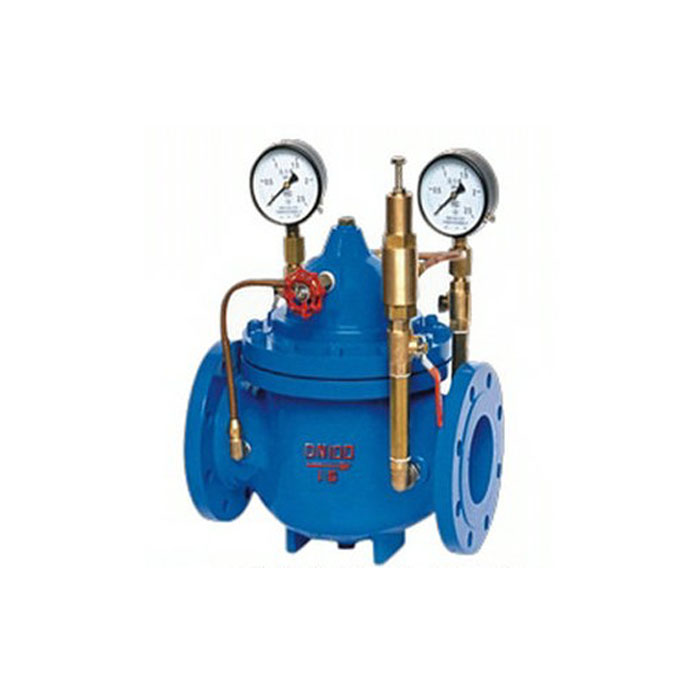
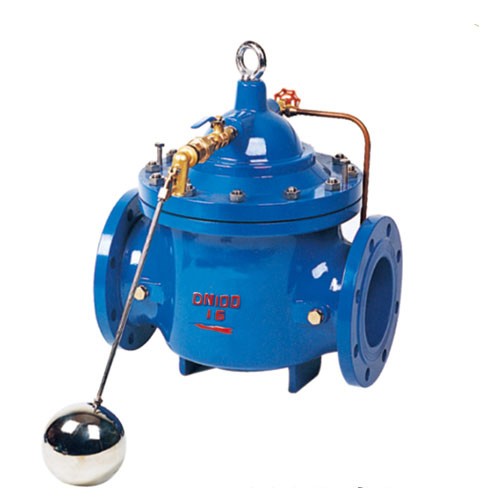
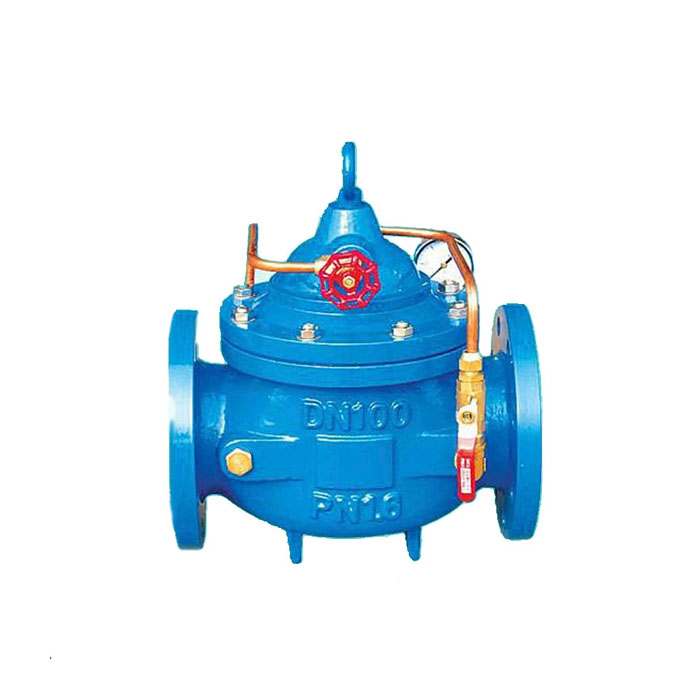
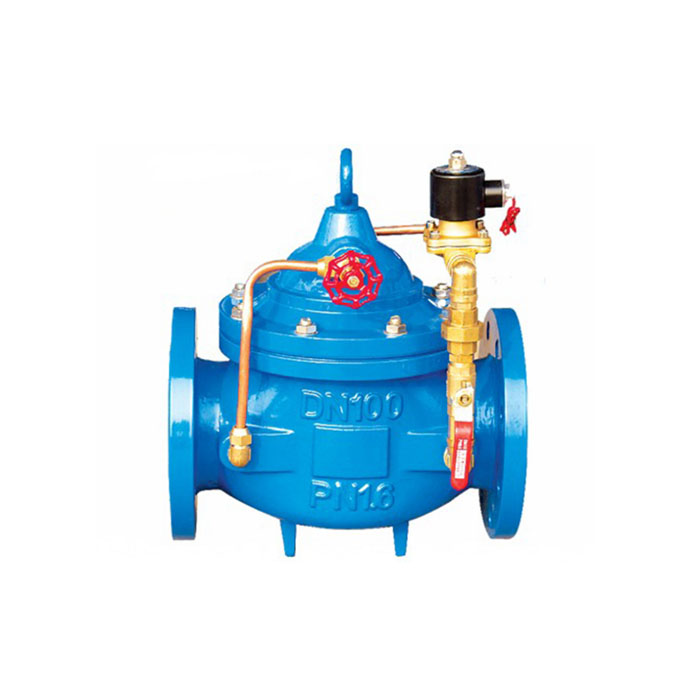
Control valve is a critical component in fluid systems that is used to regulate the flow, pressure, temperature, or level of a fluid within a process. It achieves this by varying the size of the flow passage as directed by a signal from a controller. Control valves are essential for maintaining precise control over the process conditions, ensuring that the system operates within specified parameters. They are widely used in industries such as oil and gas, chemical processing, power generation, and water treatment, where accurate control of fluid flow is crucial for operational efficiency and safety. Control valves come in various types, including globe valves, butterfly valves, ball valves, and diaphragm valves, each designed for specific applications and control requirements. The selection of a control valve depends on factors such as the type of fluid, flow rates, pressure and temperature conditions, and the desired level of control precision. Proper installation, calibration, and maintenance of control valves are essential to ensure their reliable and accurate performance within the fluid system.
Why Use Control Valves?
Control valves are used to regulate the flow, pressure, temperature, or level of a fluid within a process. They are essential for maintaining precise control over the process conditions, ensuring that the system operates within specified parameters. Control valves are widely used in various industries such as oil and gas, chemical processing, power generation, and water treatment, where accurate control of fluid flow is crucial for operational efficiency and safety. By using control valves, operators can adjust the flow rates and other process parameters to meet the changing demands of the system, optimize energy usage, and maintain product quality. Additionally, control valves play a critical role in ensuring the safety and reliability of the overall process by providing the means to regulate and manage the flow of fluids in a controlled and efficient manner. Overall, the use of control valves is essential for achieving precise and effective control over fluid processes, contributing to improved system performance, energy efficiency, and operational safety.












































































