


 Português
 africano
 albanês
 amárico
 árabe
árabe
 Armênio
 Azerbaijano
 Basco
Basco
 Bielorrusso
 bengali
 Bósnio
 búlgaro
 catalão
 Cebuano
 Córsega
 croata
 Tcheco
 dinamarquês
 Holandês
 Inglês
 esperanto
 estoniano
 finlandês
 Francês
 Frísio
 Galego
 Georgiano
 Alemão
 grego
grego
 Gujarati
 crioulo haitiano
 hausa
hausa
 havaiano
 hebraico
 Não
Não
 Miao
Miao
 húngaro
 islandês
 igbo
igbo
 indonésio
 irlandês
 italiano
 japonês
 Javanês
 Kannada
 cazaque
 Khmer
Khmer
 Ruanda
 coreano
 curdo
curdo
 Quirguistão
 tb
tb
 Latim
Latim
 letão
letão
 lituano
 Luxemburguês
 Macedônio
 malgashi
 malaio
 malaiala
 maltês
 maori
maori
 Marathi
 mongol
 Mianmar
 nepalês
 norueguês
 norueguês
 Occitano
 pashto
 persa
persa
 polonês
 punjabi
 romena
 russo
russo
 samoano
 gaélico escocês
 sérvio
 Inglês
 Shona
Shona
 Sindi
Sindi
 Cingalês
 Eslovaco
 esloveno
 somali
 Espanhol
 Sudanês
 suaíli
 sueco
sueco
 tagalo
 tadjique
 tâmil
tâmil
 Tártaro
 Telugu
 tailandês
 turco
turco
 turcomano
 ucraniano
 urdu
urdu
 Uigur
Uigur
 Usbeque
 vietnamita
 galês
galês
 Ajuda
Ajuda
 iídiche
 Iorubá
 zulu
zulu


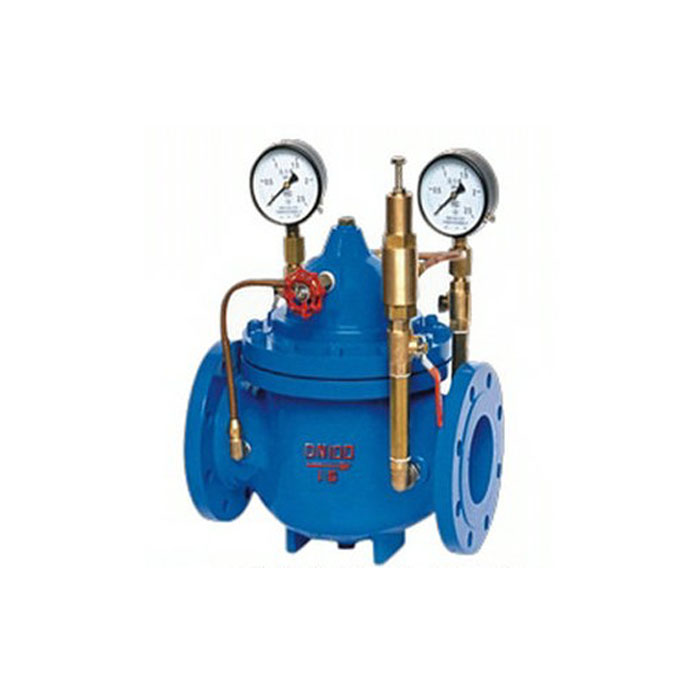
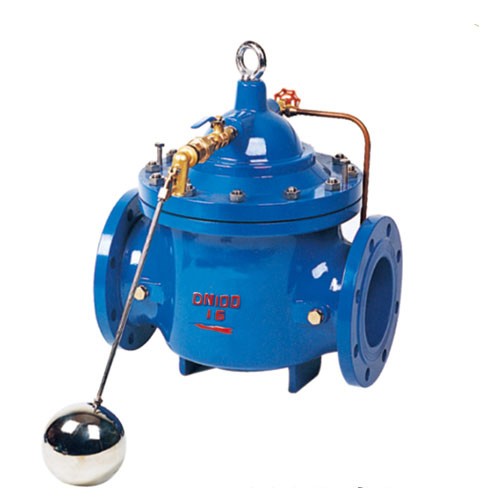
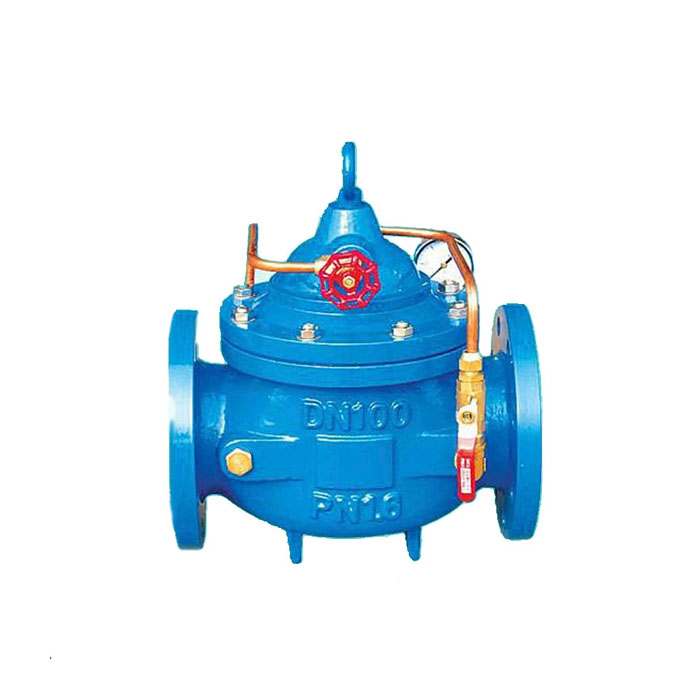
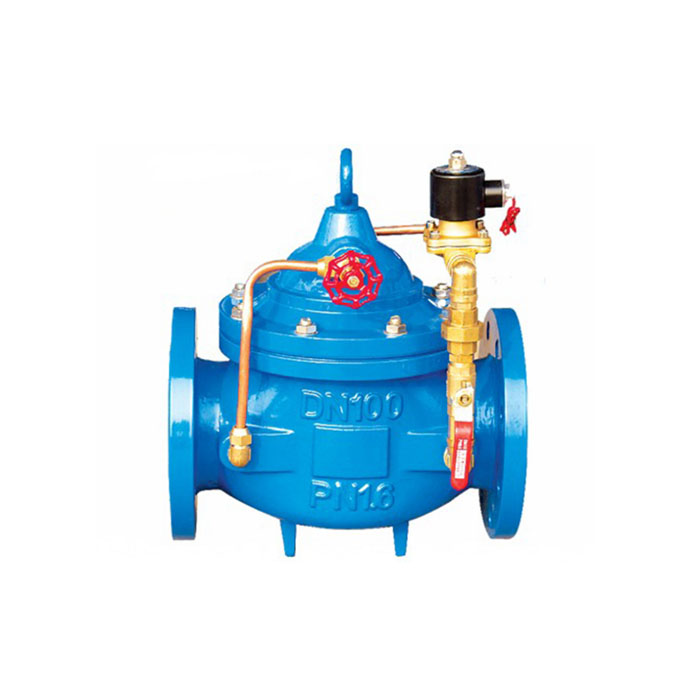
Control valve is a critical component in fluid systems that is used to regulate the flow, pressure, temperature, or level of a fluid within a process. It achieves this by varying the size of the flow passage as directed by a signal from a controller. Control valves are essential for maintaining precise control over the process conditions, ensuring that the system operates within specified parameters. They are widely used in industries such as oil and gas, chemical processing, power generation, and water treatment, where accurate control of fluid flow is crucial for operational efficiency and safety. Control valves come in various types, including globe valves, butterfly valves, ball valves, and diaphragm valves, each designed for specific applications and control requirements. The selection of a control valve depends on factors such as the type of fluid, flow rates, pressure and temperature conditions, and the desired level of control precision. Proper installation, calibration, and maintenance of control valves are essential to ensure their reliable and accurate performance within the fluid system.
Why Use Control Valves?
Control valves are used to regulate the flow, pressure, temperature, or level of a fluid within a process. They are essential for maintaining precise control over the process conditions, ensuring that the system operates within specified parameters. Control valves are widely used in various industries such as oil and gas, chemical processing, power generation, and water treatment, where accurate control of fluid flow is crucial for operational efficiency and safety. By using control valves, operators can adjust the flow rates and other process parameters to meet the changing demands of the system, optimize energy usage, and maintain product quality. Additionally, control valves play a critical role in ensuring the safety and reliability of the overall process by providing the means to regulate and manage the flow of fluids in a controlled and efficient manner. Overall, the use of control valves is essential for achieving precise and effective control over fluid processes, contributing to improved system performance, energy efficiency, and operational safety.












































































