


 Tiếng Việt
 Người châu Phi
 tiếng Albania
 tiếng Amharic
 tiếng Ả Rập
 tiếng Armenia
 Tiếng Azerbaijan
 Tiếng Basque
 Người Belarus
 tiếng Bengali
 tiếng Bosnia
 tiếng Bungari
 tiếng Catalan
 Cebuano
 Corsican
 tiếng Croatia
 tiếng Séc
 người Đan Mạch
 tiếng Hà Lan
 Tiếng Anh
 Quốc tế ngữ
 tiếng Estonia
 tiếng Phần Lan
 người Pháp
 tiếng Frisia
 tiếng Galicia
 tiếng Gruzia
 tiếng Đức
 người Hy Lạp
 Gujarati
 Tiếng Creole Haiti
 hausa
hausa
 người Hawaii
 tiếng Do Thái
 Không
Không
 Miêu
Miêu
 người Hungary
 tiếng Iceland
 igbo
igbo
 tiếng Indonesia
 người Ailen
 người Ý
 tiếng Nhật
 tiếng Java
 tiếng Kannada
 kazakh
 tiếng Khmer
 người Rwanda
 Hàn Quốc
 người Kurd
 Tiếng Kyrgyzstan
 Lao
Lao
 Latin
Latin
 tiếng Latvia
 tiếng Litva
 Tiếng Luxembourg
 Tiếng Macedonia
 Malgashi
 Mã Lai
 Mã Lai
 cây nho
 người Maori
 Tiếng Marathi
 tiếng Mông Cổ
 Myanmar
 tiếng Nepal
 người Na Uy
 người Na Uy
 tiếng Occitan
 Tiếng Pa-tô
 tiếng Ba Tư
 Đánh bóng
 tiếng Bồ Đào Nha
 Tiếng Punjab
 người Rumani
 tiếng Nga
 Tiếng Samoa
 Tiếng Gaelic của Scotland
 tiếng Serbia
 Tiếng Anh
 Shona
Shona
 tiếng Sindhi
 Sinhala
 Tiếng Slovak
 tiếng Slovenia
 tiếng Somali
 người Tây Ban Nha
 Tiếng Sundan
 tiếng Swahili
 tiếng Thụy Điển
 Tagalog
 Tiếng Tajik
 Tiếng Tamil
 Tatar
Tatar
 tiếng Telugu
 tiếng Thái
 tiếng Thổ Nhĩ Kỳ
 người Thổ Nhĩ Kỳ
 tiếng Ukraina
 tiếng Urdu
 người Duy Ngô Nhĩ
 tiếng Uzbek
 người xứ Wales
 Giúp đỡ
 tiếng Yiddish
 Yoruba
 Zulu
Zulu


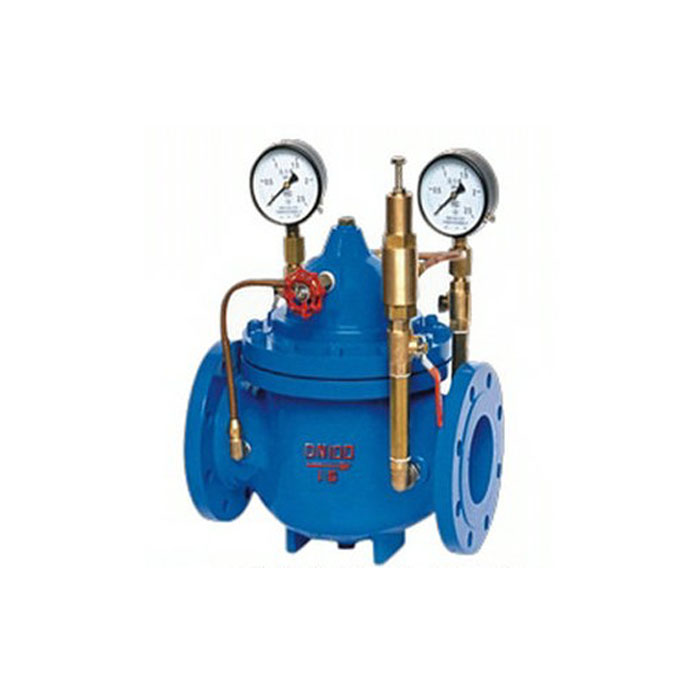
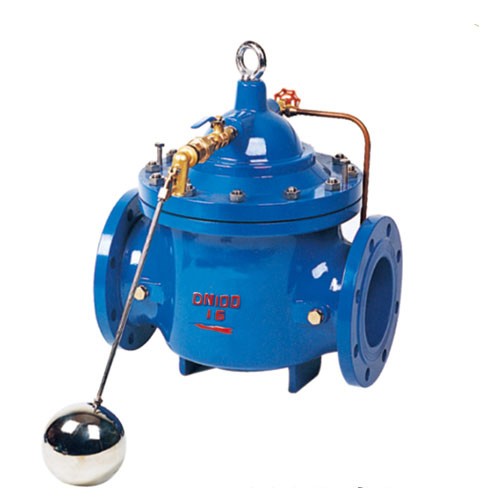
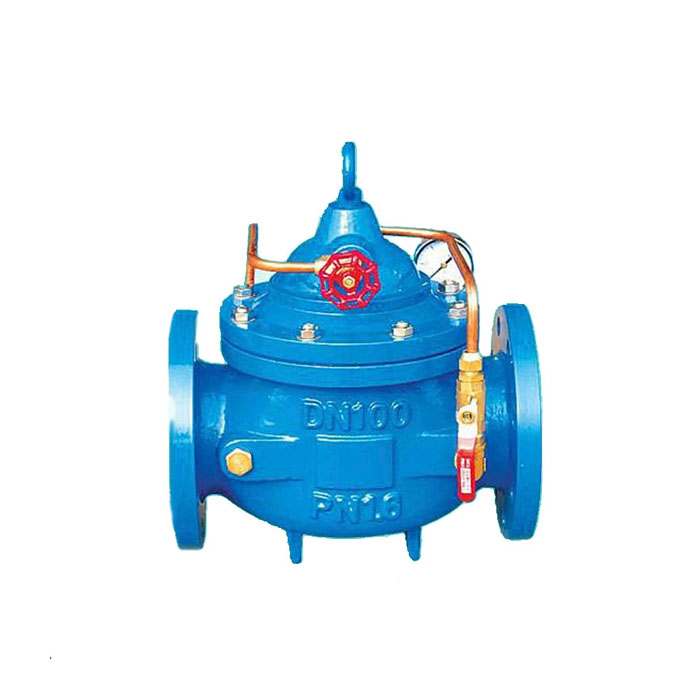
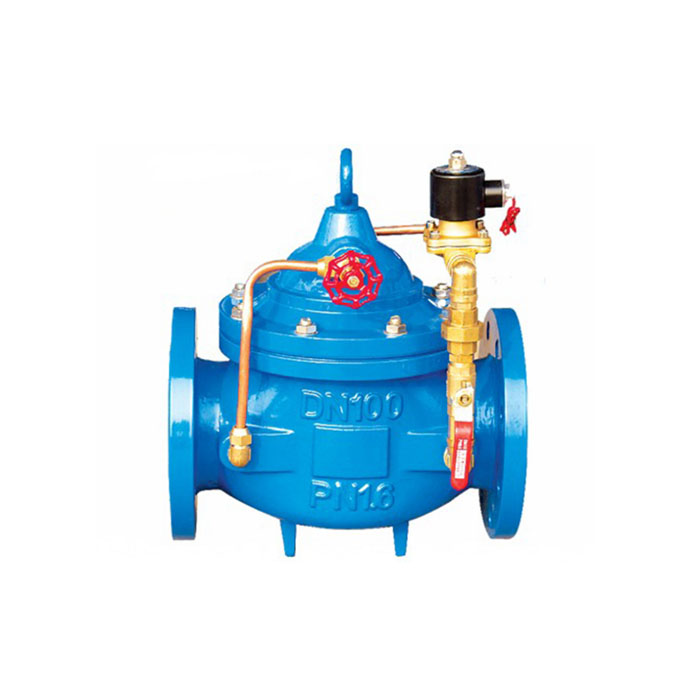
Control valve is a critical component in fluid systems that is used to regulate the flow, pressure, temperature, or level of a fluid within a process. It achieves this by varying the size of the flow passage as directed by a signal from a controller. Control valves are essential for maintaining precise control over the process conditions, ensuring that the system operates within specified parameters. They are widely used in industries such as oil and gas, chemical processing, power generation, and water treatment, where accurate control of fluid flow is crucial for operational efficiency and safety. Control valves come in various types, including globe valves, butterfly valves, ball valves, and diaphragm valves, each designed for specific applications and control requirements. The selection of a control valve depends on factors such as the type of fluid, flow rates, pressure and temperature conditions, and the desired level of control precision. Proper installation, calibration, and maintenance of control valves are essential to ensure their reliable and accurate performance within the fluid system.
Why Use Control Valves?
Control valves are used to regulate the flow, pressure, temperature, or level of a fluid within a process. They are essential for maintaining precise control over the process conditions, ensuring that the system operates within specified parameters. Control valves are widely used in various industries such as oil and gas, chemical processing, power generation, and water treatment, where accurate control of fluid flow is crucial for operational efficiency and safety. By using control valves, operators can adjust the flow rates and other process parameters to meet the changing demands of the system, optimize energy usage, and maintain product quality. Additionally, control valves play a critical role in ensuring the safety and reliability of the overall process by providing the means to regulate and manage the flow of fluids in a controlled and efficient manner. Overall, the use of control valves is essential for achieving precise and effective control over fluid processes, contributing to improved system performance, energy efficiency, and operational safety.












































































