


 Suomalainen
 afrikkalainen
 albanialainen
 amhara
 arabialainen
 armenialainen
 Azerbaidžani
 baski
baski
 valkovenäläinen
 bengali
 bosnialainen
 bulgarialainen
 katalaani
 Cebuano
 Korsikalainen
 Kroatia
 Tšekki
 Tanskan kieli
 Hollannin kieli
 Englanti
 esperanto
 Virolainen
 Ranskan kieli
 friisi
 Galicialainen
 Georgian
 Saksan kieli
 kreikkalainen
 gudžarati
 Haitin kreoli
 hausa
hausa
 havaijilainen
 heprealainen
 Ei
Ei
 Miao
Miao
 Unkarin kieli
 islantilainen
 igbo
igbo
 Indonesialainen
 irlantilainen
 italialainen
 japanilainen
 jaavalainen
 kannada
 kazakki
 khmerit
 Ruanda
 Korealainen
 kurdi
kurdi
 Kirgisia
 TB
TB
 Latina
 Latvialainen
 liettualainen
 luxemburgilainen
 makedonialainen
 Malgashi
 malaiji
 malajalami
 maltalainen
 maori
maori
 marathi
 mongolialainen
 Myanmar
 Nepali
 Norjan kieli
 Norjan kieli
 Oksitaani
 pashto
 persialainen
 Kiillottaa
 Portugalin kieli
 Punjabi
 romanialainen
 Venäjän kieli
 samoalainen
 Skotlannin gaeli
 serbia
 Englanti
 Shona
Shona
 Sindhi
 sinhala
 Slovakian
 slovenialainen
 somali
 Espanja
 sundalainen
 swahili
 Ruotsin kieli
 Tagalog
 tadžiki
 tamili
 tatari
 telugu
 thaimaalainen
 turkkilainen
 Turkmenistan
 ukrainalainen
 urdu
urdu
 uiguuri
 uzbekki
 vietnam
 Walesin
 auta
auta
 jiddish
 joruba
 zulu
zulu


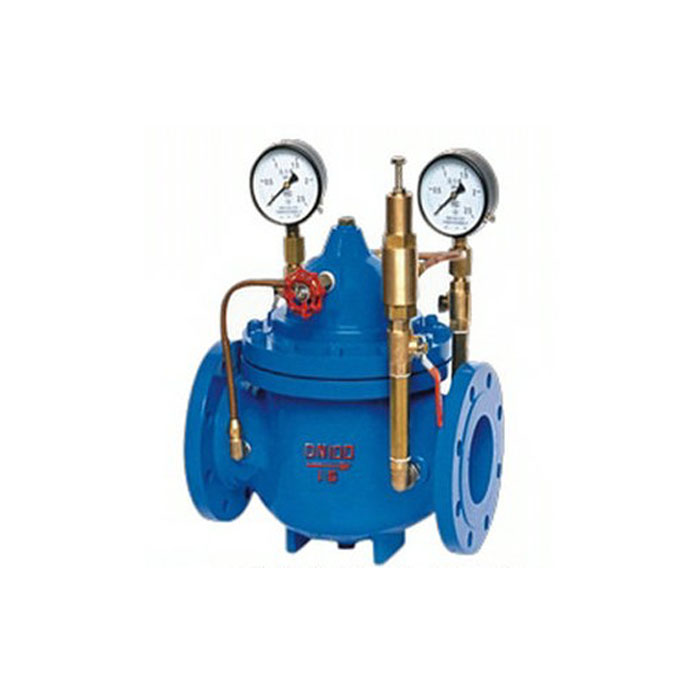
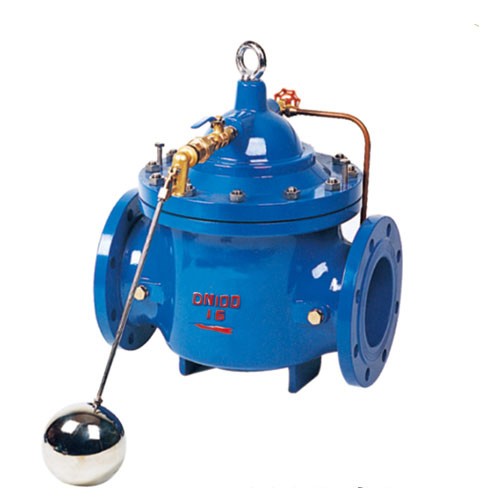
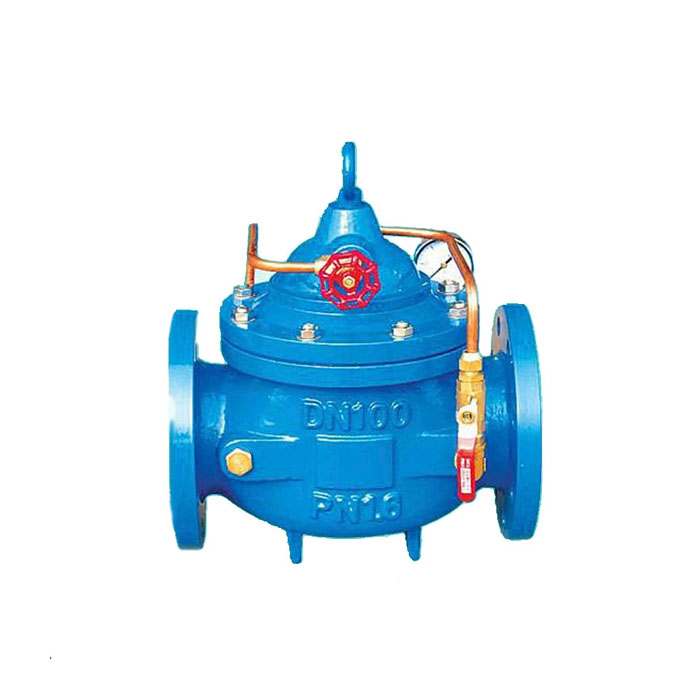
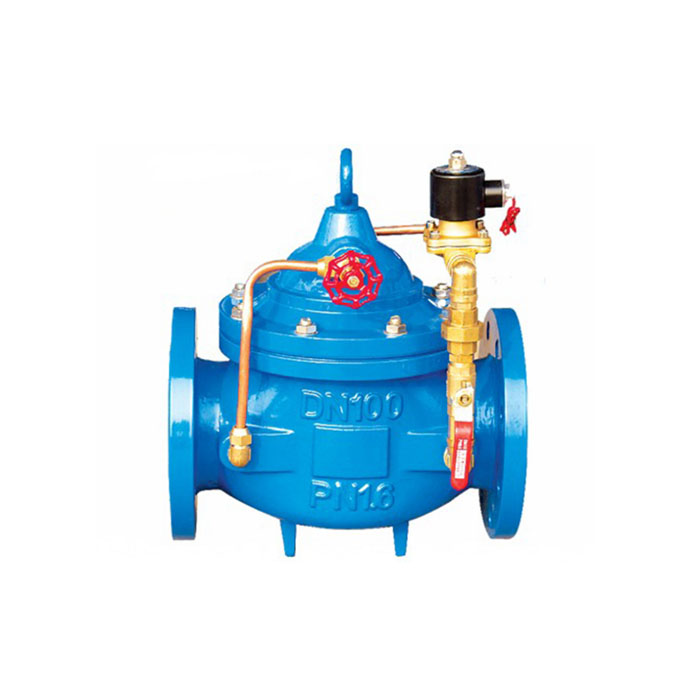
Control valve is a critical component in fluid systems that is used to regulate the flow, pressure, temperature, or level of a fluid within a process. It achieves this by varying the size of the flow passage as directed by a signal from a controller. Control valves are essential for maintaining precise control over the process conditions, ensuring that the system operates within specified parameters. They are widely used in industries such as oil and gas, chemical processing, power generation, and water treatment, where accurate control of fluid flow is crucial for operational efficiency and safety. Control valves come in various types, including globe valves, butterfly valves, ball valves, and diaphragm valves, each designed for specific applications and control requirements. The selection of a control valve depends on factors such as the type of fluid, flow rates, pressure and temperature conditions, and the desired level of control precision. Proper installation, calibration, and maintenance of control valves are essential to ensure their reliable and accurate performance within the fluid system.
Why Use Control Valves?
Control valves are used to regulate the flow, pressure, temperature, or level of a fluid within a process. They are essential for maintaining precise control over the process conditions, ensuring that the system operates within specified parameters. Control valves are widely used in various industries such as oil and gas, chemical processing, power generation, and water treatment, where accurate control of fluid flow is crucial for operational efficiency and safety. By using control valves, operators can adjust the flow rates and other process parameters to meet the changing demands of the system, optimize energy usage, and maintain product quality. Additionally, control valves play a critical role in ensuring the safety and reliability of the overall process by providing the means to regulate and manage the flow of fluids in a controlled and efficient manner. Overall, the use of control valves is essential for achieving precise and effective control over fluid processes, contributing to improved system performance, energy efficiency, and operational safety.












































































