


 Suomalainen
 afrikkalainen
 albanialainen
 amhara
 arabialainen
 armenialainen
 Azerbaidžani
 baski
baski
 valkovenäläinen
 bengali
 bosnialainen
 bulgarialainen
 katalaani
 Cebuano
 Korsikalainen
 Kroatia
 Tšekki
 Tanskan kieli
 Hollannin kieli
 Englanti
 esperanto
 Virolainen
 Ranskan kieli
 friisi
 Galicialainen
 Georgian
 Saksan kieli
 kreikkalainen
 gudžarati
 Haitin kreoli
 hausa
hausa
 havaijilainen
 heprealainen
 Ei
Ei
 Miao
Miao
 Unkarin kieli
 islantilainen
 igbo
igbo
 Indonesialainen
 irlantilainen
 italialainen
 japanilainen
 jaavalainen
 kannada
 kazakki
 khmerit
 Ruanda
 Korealainen
 kurdi
kurdi
 Kirgisia
 TB
TB
 Latina
 Latvialainen
 liettualainen
 luxemburgilainen
 makedonialainen
 Malgashi
 malaiji
 malajalami
 maltalainen
 maori
maori
 marathi
 mongolialainen
 Myanmar
 Nepali
 Norjan kieli
 Norjan kieli
 Oksitaani
 pashto
 persialainen
 Kiillottaa
 Portugalin kieli
 Punjabi
 romanialainen
 Venäjän kieli
 samoalainen
 Skotlannin gaeli
 serbia
 Englanti
 Shona
Shona
 Sindhi
 sinhala
 Slovakian
 slovenialainen
 somali
 Espanja
 sundalainen
 swahili
 Ruotsin kieli
 Tagalog
 tadžiki
 tamili
 tatari
 telugu
 thaimaalainen
 turkkilainen
 Turkmenistan
 ukrainalainen
 urdu
urdu
 uiguuri
 uzbekki
 vietnam
 Walesin
 auta
auta
 jiddish
 joruba
 zulu
zulu


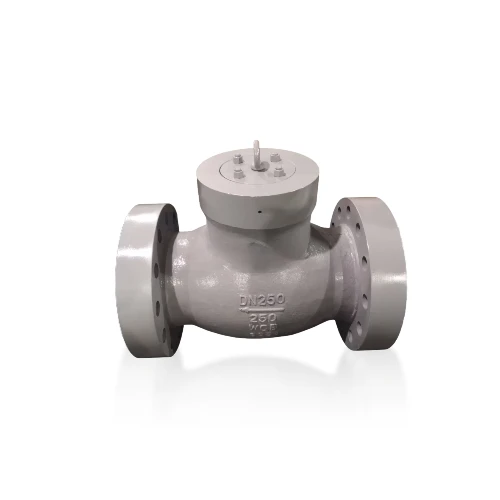
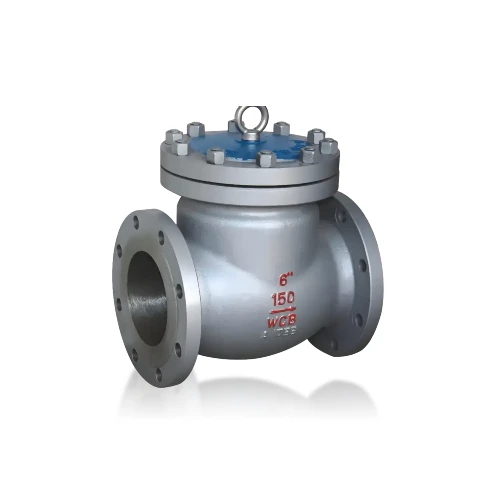
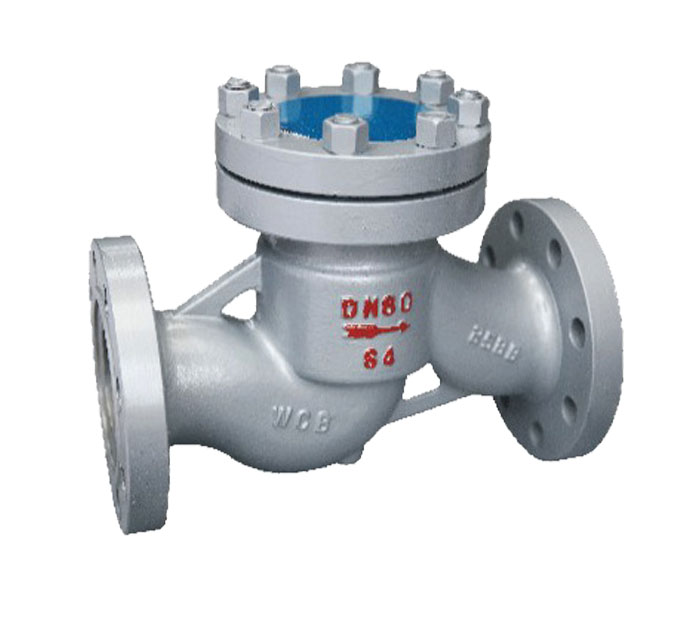
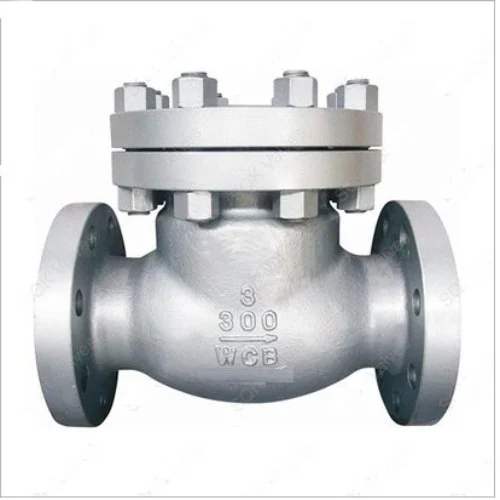
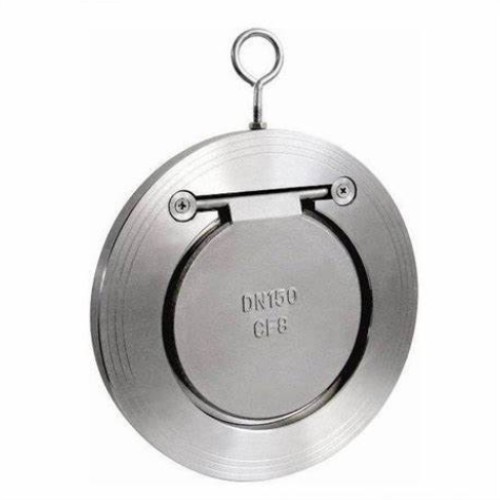
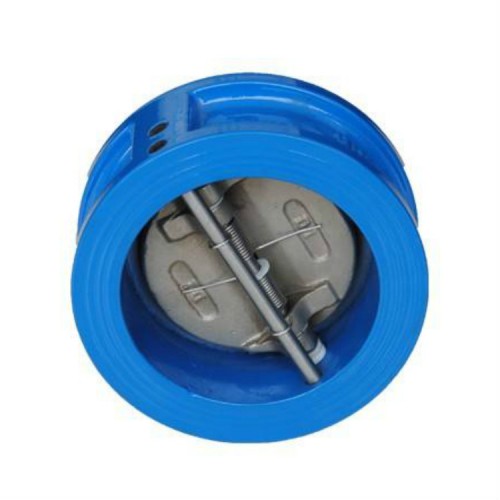
Check valves, also known as non-return valves, are designed to allow fluid to flow in one direction while preventing reverse flow. They are commonly used to maintain the flow of fluid in a single direction and to prevent backflow, which can cause damage or contamination in a system. Check valves can be classified based on their design and application:
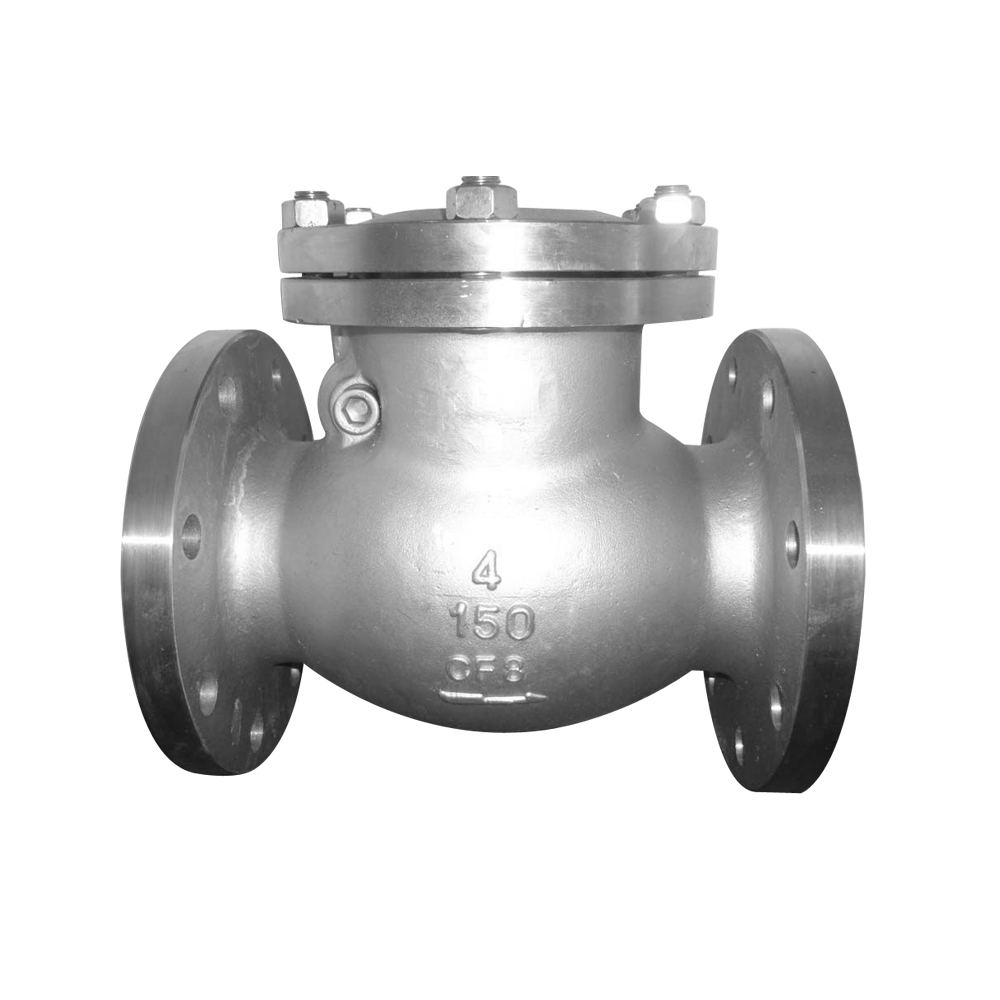
1. Swing Check Valve: This type of check valve uses a hinged disc to block reverse flow. When the forward flow stops, the disc swings into a closed position to prevent backflow. Swing check valves are suitable for applications with moderate flow rates and are commonly used in water and wastewater systems.
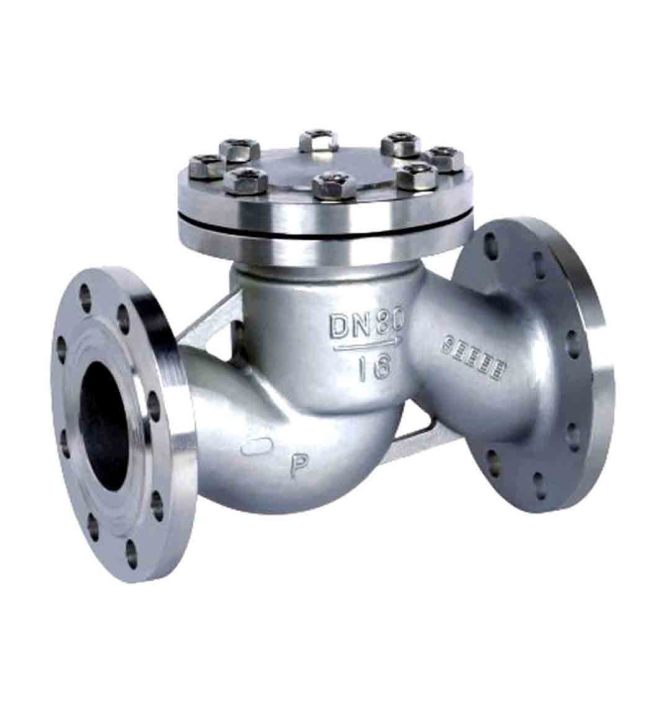
2. Lift Check Valve: Lift check valves use a guided disc that moves up and down to control the flow. When the forward flow stops, the disc is lifted to allow flow, and when the flow reverses, the disc is forced back onto the seat to prevent backflow. Lift check valves are often used in high-pressure and high-temperature applications.
Check valves are essential components in various industries, including oil and gas, chemical processing, water treatment, and HVAC systems, where maintaining flow direction and preventing backflow are critical for system performance and safety.
When Should I Use A Check Valve?
A check valve should be used in applications where backflow prevention is essential. This includes situations where the reversal of flow could cause damage to equipment, contamination of the system, or safety hazards. Check valves are commonly employed in various systems such as water and wastewater treatment, pumping systems, HVAC systems, and industrial processes where maintaining flow direction and preventing backflow are critical. Additionally, check valves are often used in combination with pumps to prevent the backflow of fluid when the pump is not in operation. In summary, check valves are utilized in scenarios where ensuring unidirectional flow and preventing reverse flow are vital for the efficient and safe operation of the system.












































































